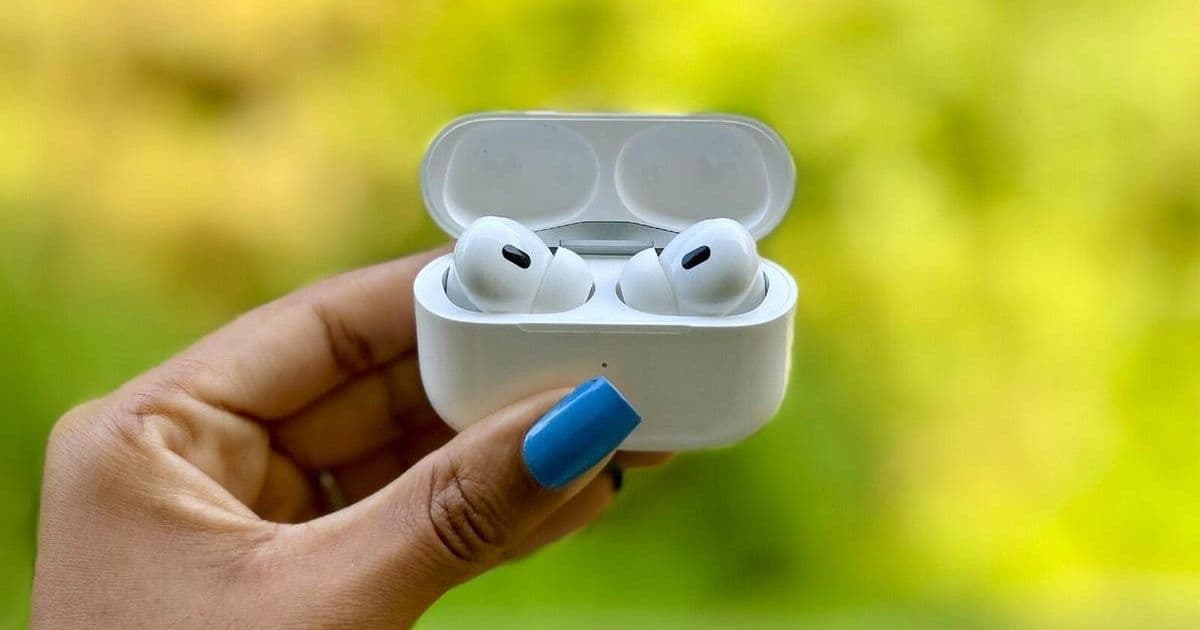
While rumors swirl about flashy additions like live translation in Apple's upcoming AirPods Pro 3, it's the under-the-radar enhancements to noise cancellation, health tracking, and device finding that promise real user impact. This analysis dives into why smarter AI processing, accurate heart rate sensing, and ultra-precise UWB could make the earbuds indispensable for developers and power users alike.
The tech world is buzzing with anticipation for Apple's iPhone 17 launch, but for many in the developer and engineering community, the real intrigue lies elsewhere: the potential debut of the AirPods Pro 3. While headlines tout speculative features like live translation or temperature sensing, the upgrades that could genuinely transform daily workflows and user experiences are far more nuanced. Based on insights from ZDNET's reporting, three targeted improvements—smarter adaptive noise reduction, reliable heart rate monitoring, and enhanced device tracking—stand out as game-changers for those who rely on wearables as more than just audio accessories.
1. Smarter Adaptive Noise Reduction: Elevating AI-Powered Focus
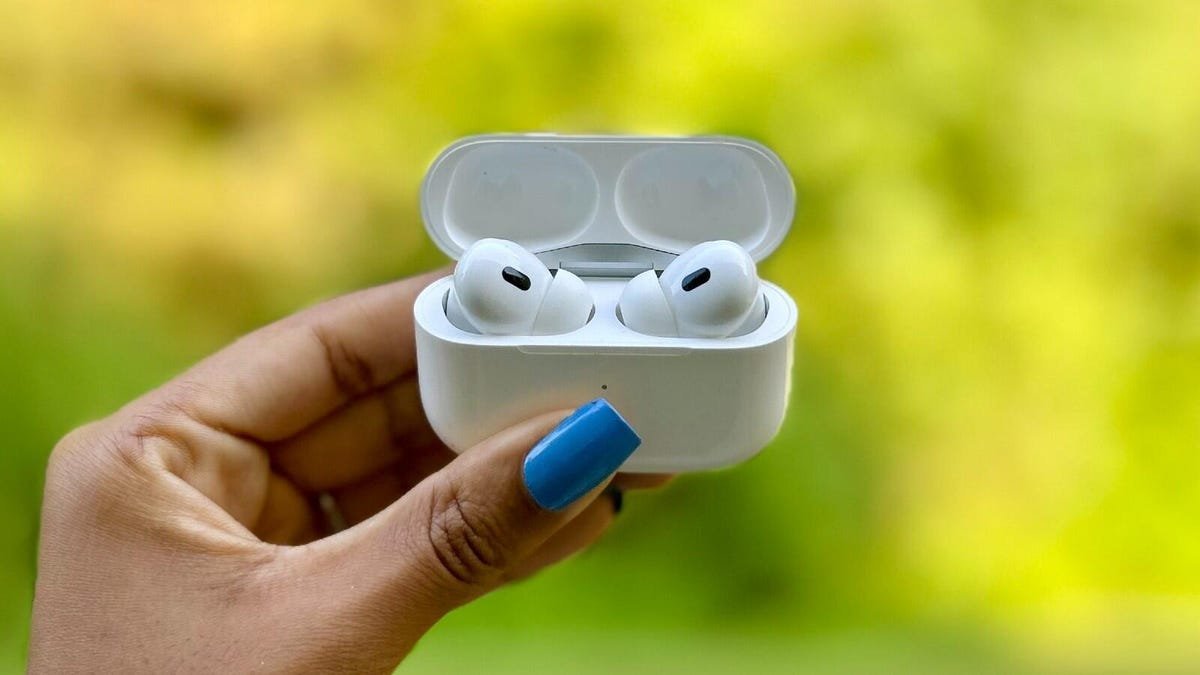
At the core of the AirPods Pro 2's appeal is its adaptive noise cancellation (ANC), driven by the H2 chip's real-time processing of environmental sounds using AI algorithms. This system dynamically adjusts noise blocking, while Conversation Awareness pauses audio when speech is detected. Yet, as noted in hands-on testing, it lags behind competitors like Bose's QuietComfort Ultra Earbuds in responsiveness and fluidity. An upgraded H3 processor in the AirPods Pro 3 could close this gap, making ANC not just a feature but a seamless extension of the user's environment. For developers coding in noisy cafes or engineers troubleshooting in loud labs, this isn't about luxury—it's about maintaining deep focus without cognitive friction. The implications extend to Apple's ecosystem, where tighter integration with iOS could enable API enhancements for third-party apps, turning earbuds into productivity powerhouses.
2. Improved Heart Rate Sensing: Fixing the Foundations of Health Tech
Apple's foray into in-ear heart rate monitoring via the Beats Powerbeats Pro 2 revealed critical flaws: unreliable readings, connectivity drops, and a reliance on paid fitness apps. The AirPods Pro 3 presents an opportunity to rectify this with medical-grade accuracy and open Health app integration. Imagine continuous, subscription-free vital tracking during meetings or commutes—data that could feed into developer-built health platforms or research tools. This isn't merely incremental; it's about transforming wearables into legitimate health devices. As biometric sensors become ubiquitous, Apple's execution could set industry standards, influencing everything from fitness APIs to privacy frameworks for handling sensitive user data.
3. Enhanced Device Tracking: The Unsung Hero of Daily Convenience
Losing earbuds is a universal frustration, but the current U1 chip in AirPods Pro 2 cases offers only moderate precision in Apple's Find My network. Upgrading to a U2 chip—already in newer iPhones and Watches—could enable tracking from up to 200 feet away with minimal obstacles, leveraging ultra-wideband (UWB) technology for pinpoint accuracy without audible pings. For tech professionals juggling devices, this means less time hunting down gear and more time innovating. Under the hood, it signals Apple's commitment to a frictionless UWB ecosystem, where developers might soon build apps that interact with accessories in smarter, context-aware ways.
In an era where tech often prioritizes spectacle over substance, these potential upgrades highlight a truth: the most impactful innovations solve everyday pains. If Apple nails these elements, the AirPods Pro 3 won't just play music—it'll amplify how we work, live, and interact with the digital world, setting a benchmark for what wearable tech should achieve. Source: ZDNET.
Comments
Please log in or register to join the discussion