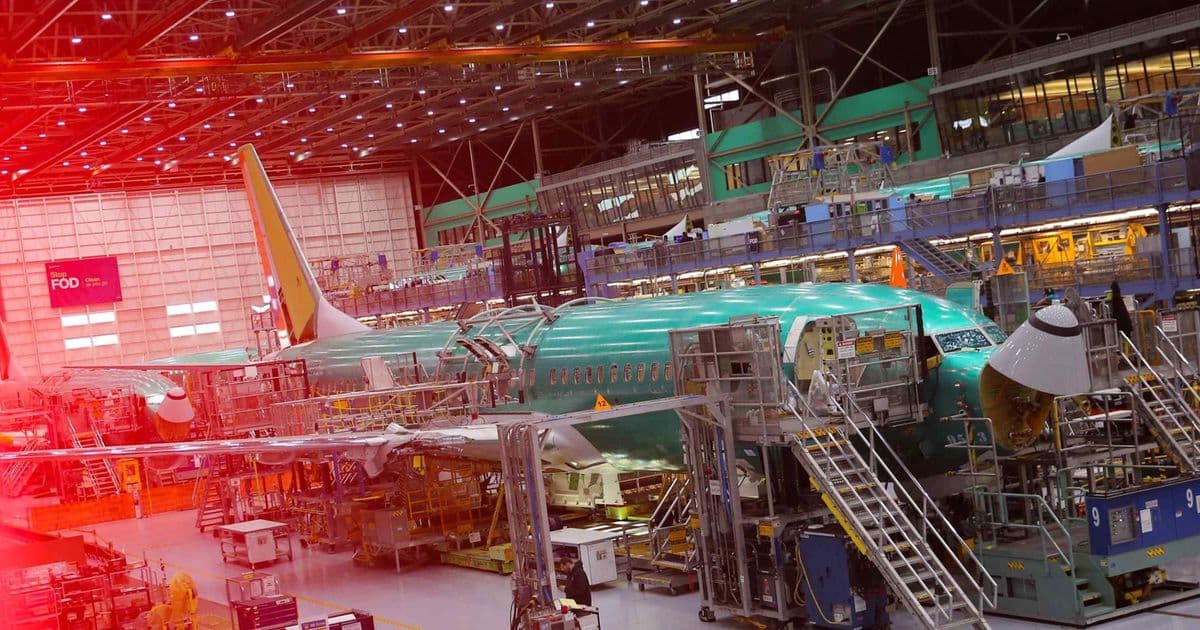
President Trump highlighted a prospective order for 200 Boeing aircraft during his Beijing visit, but the proposal falls short of earlier expectations and underscores the challenges Boeing faces in recapturing market share in China’s commercial aviation sector.
Boeing’s China Deal Stalls as Trump Promises 200‑Jet Sale
Business news
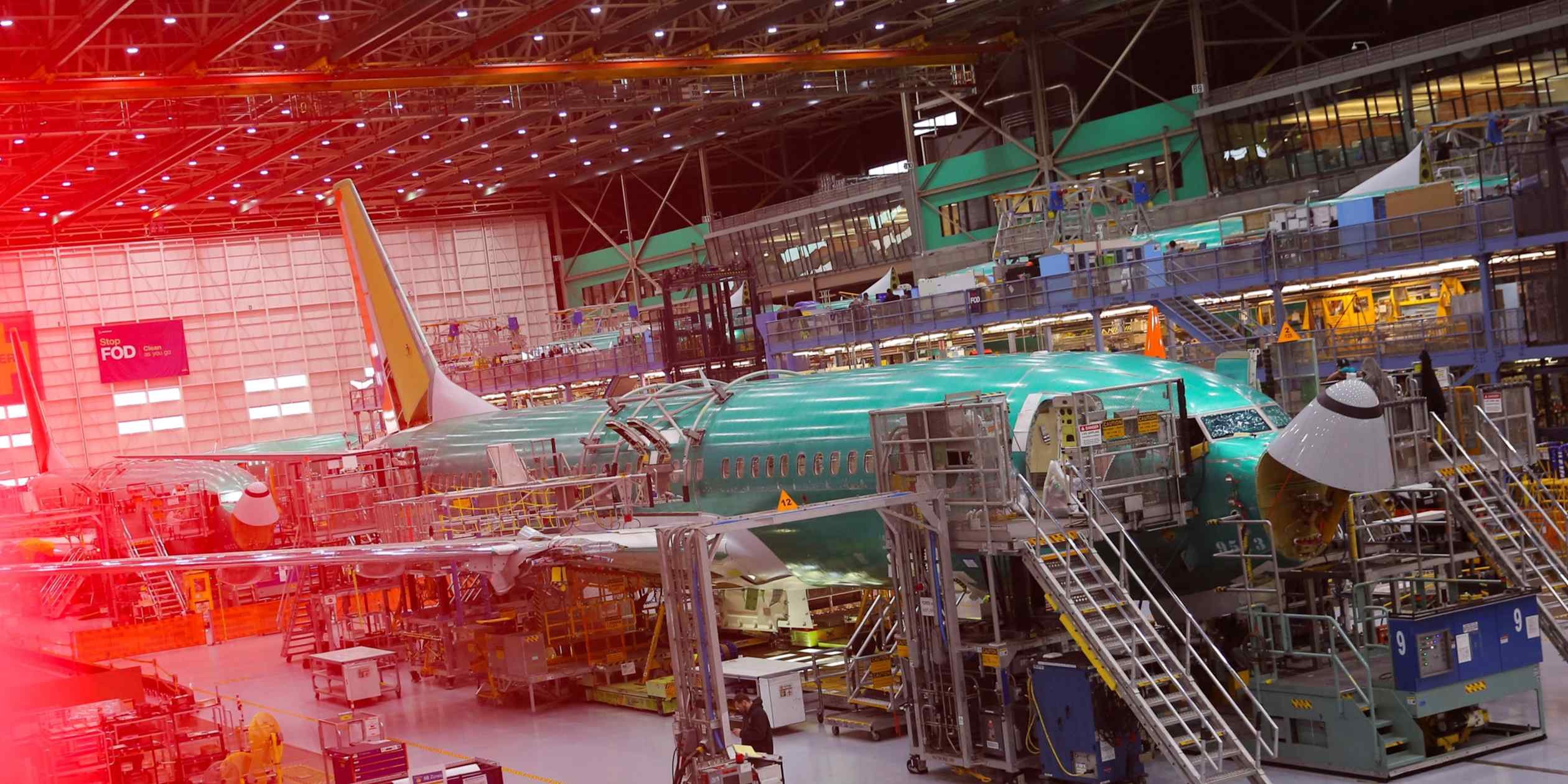
U.S. aviation giant Boeing is set to benefit from President Donald Trump’s diplomatic trip to Beijing, where he announced a tentative order for 200 commercial jets from Chinese airlines. The figure, disclosed during a media tour of Boeing’s Renton plant on April 15, is lower than the 300‑plus units analysts had hoped for after the 2024 tariff lull.
The proposed order is split between 150 narrow‑body 737 MAX and 50 wide‑body 777‑9 aircraft, with an estimated contract value of $27 billion at list prices. Trump also referenced a separate “promise” to deliver 750 additional 737 MAX jets over the next five years, a statement that appears to be more political rhetoric than a firm commitment.
Market context
China remains the world’s second‑largest aviation market, accounting for ≈ 15 % of global passenger traffic in 2025. After the 2023‑24 trade‑war‑induced price war, Chinese carriers shifted purchases toward Airbus, which secured 148 orders in 2025, valued at $19 billion. Boeing’s market share in China fell to 22 % from 30 % in 2022, driven by lingering safety concerns from the 737 MAX grounding and supply‑chain disruptions.
The current proposal, while a step forward, does not reverse the trend. Assuming a 5 % average discount from list prices—a common practice for bulk deals—the contract would net Boeing roughly $25.5 billion in revenue, representing ≈ 3 % of its total 2025 commercial aircraft sales forecast of $850 billion.
What it means
- Revenue impact – The deal adds a modest boost to Boeing’s 2025 outlook, but the company still faces a $12 billion shortfall relative to its internal target for Chinese sales.
- Strategic positioning – Trump’s public endorsement aims to signal U.S. support for domestic manufacturers, yet the lack of a concrete, higher‑volume order suggests Chinese airlines remain cautious about Boeing’s product reliability and after‑sales service.
- Competitive pressure – Airbus’s continued success in China may force Boeing to accelerate its 737 MAX re‑certification program and expand local support infrastructure to regain confidence.
- Policy implications – The announcement highlights how geopolitical visits can translate into commercial signals, but without binding contracts the effect on Boeing’s balance sheet remains limited.
In short, while the 200‑jet proposal offers a headline‑grabbing narrative for the White House, it underscores the longer road Boeing must travel to re‑establish a dominant foothold in China’s fast‑growing aviation market.
Comments
Please log in or register to join the discussion