Chinese refugees are increasingly using Serbia as a safe haven and stepping‑stone to the European Union, drawn by visa‑free travel, geographic proximity and a relatively open asylum system. The trend reshapes migration flows in the Balkans and poses new challenges for Serbian authorities and EU border policy.
Business news
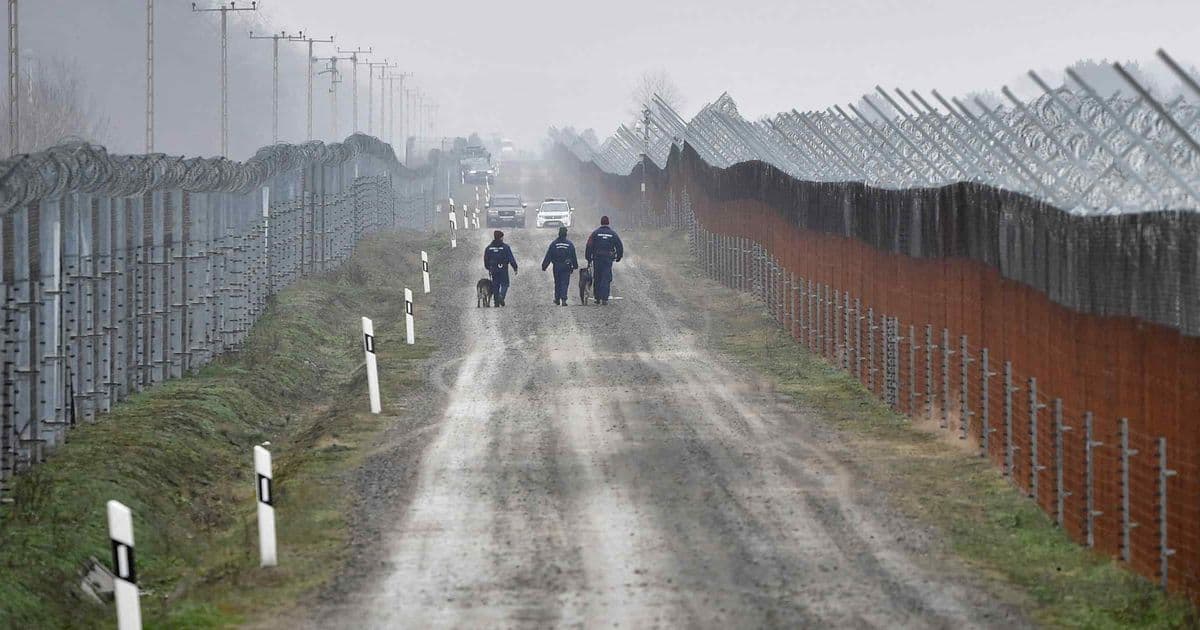
Chinese nationals fleeing political repression and economic uncertainty are routing through Serbia in growing numbers. According to the United Nations High Commissioner for Refugees (UNHCR), arrivals of Chinese asylum seekers in Serbia rose from 312 in 2023 to 1,874 in the first four months of 2026, a six‑fold increase. Most enter via the Hungarian‑Serbian border, where Hungarian patrols have stepped up checks but Serbian checkpoints remain comparatively lax.
Market context
Serbia’s status as a non‑EU, visa‑free entry point for Chinese passport holders gives it a strategic advantage. While the Schengen Area requires a visa for Chinese citizens, Serbia allows a 90‑day stay without a visa, and its land borders are within a few hundred kilometers of Austria, Hungary and Croatia. This proximity enables refugees to apply for asylum in Serbia and, after a short stay, move onward to EU states that accept secondary applications.
The influx coincides with several macro‑level shifts:
- EU migration policy tightening: Since 2024, the EU has reduced the number of resettlement slots for non‑European nationals, prompting migrants to seek alternative routes.
- Serbian economic incentives: The government has introduced a modest €1,200 monthly allowance for recognized refugees, funded partly by EU pre‑accession assistance, making Serbia a more attractive temporary base.
- Regional labor shortages: Neighboring countries such as Croatia and Slovenia face deficits in low‑skill sectors, creating informal networks that help newcomers find work and eventually regularize their status.
What it means
For Serbian policymakers, the trend presents both opportunities and pressures. The increased refugee population could boost demand for housing, language services and legal aid, stretching the capacity of NGOs that already operate on limited budgets. At the same time, the government stands to gain from EU funding tied to migration management, which could total €45 million over the next two years if Serbia meets specific integration benchmarks.
From an EU perspective, Serbia’s role as a gateway amplifies the need for coordinated border management. The European Border and Coast Guard Agency (Frontex) has already deployed an additional 200 officers to the Hungarian‑Serbian crossing, but analysts warn that without a comprehensive bilateral framework, the pressure could shift to other Balkan routes, such as the Bosnia‑Herzegovina corridor.
Strategically, the pattern may influence future diplomatic relations between Beijing and Belgrade. Serbia has cultivated close ties with China through infrastructure projects under the Belt and Road Initiative, yet the growing presence of Chinese dissidents could test the resilience of that partnership. Beijing has publicly urged “respect for sovereign legal processes,” but Beijing‑aligned media in Serbia have begun to downplay the scale of the refugee flow.
Key takeaways
- Chinese asylum seekers are using Serbia’s visa‑free entry and geographic location to access the EU, with arrivals up nearly 600 % year‑on‑year.
- Serbia benefits from EU migration assistance but must balance humanitarian obligations with domestic capacity constraints.
- The EU will likely increase border resources in the Balkans, while diplomatic friction could arise between Beijing and Belgrade if the refugee issue escalates.
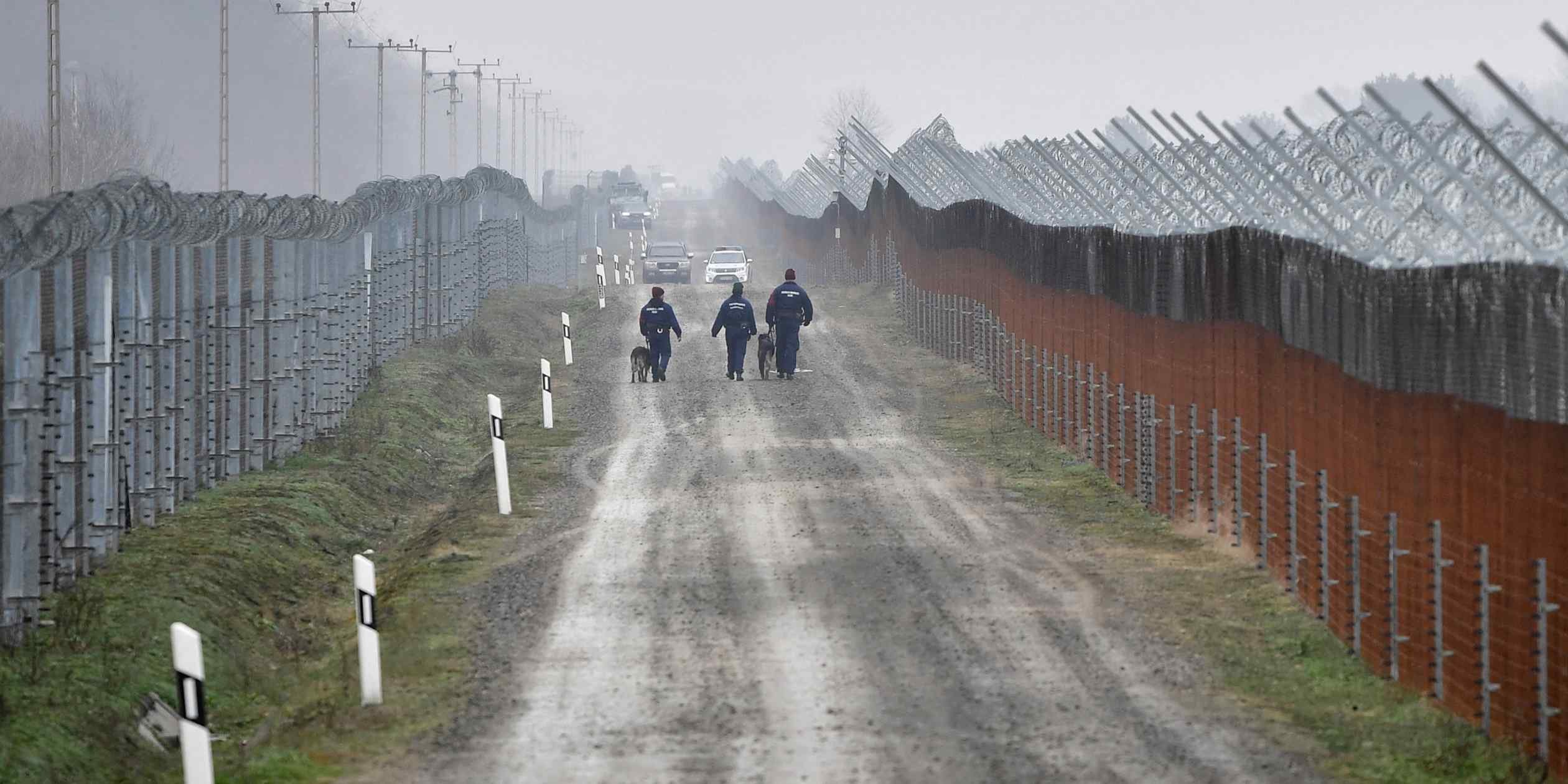
The image shows a police patrol near the Hungarian‑Serbian border, underscoring the heightened security environment as migration patterns shift.
Comments
Please log in or register to join the discussion