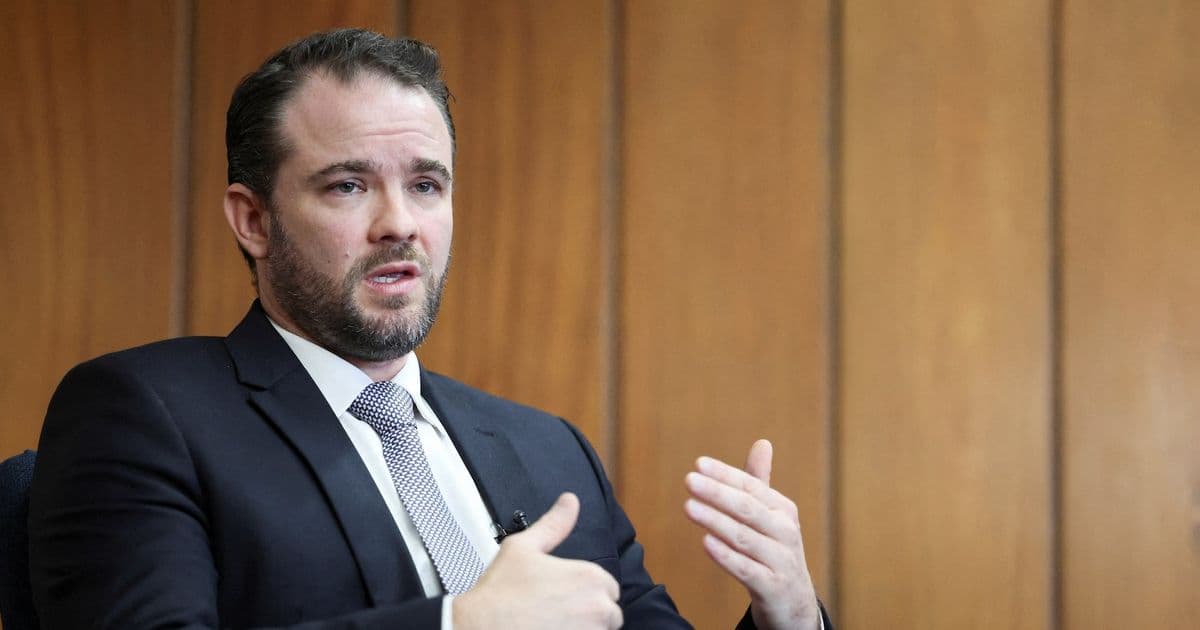
Brazil's Finance Minister Dario Durigan announces regulatory measures blocking prediction market platforms and tightening derivatives rules to curb financial speculation resembling betting activities.
Brazil's government has moved to block prediction market platforms and tighten derivatives regulations in an effort to curb what Finance Minister Dario Durigan described as "bet-like" financial products. The regulatory shift represents a significant intervention in the country's evolving financial technology landscape, targeting platforms that blur the line between investment and gambling.
The measures, announced by Minister Durigan, directly impact prediction market platforms that have gained popularity for allowing users to trade contracts based on future events, from election outcomes to economic indicators. These platforms, which function similarly to stock exchanges but focus on event-based outcomes, have grown globally but now face regulatory barriers in Brazil.
"We are seeing financial products that increasingly resemble betting operations rather than legitimate investment vehicles," Durigan stated during a press conference. "These platforms can create significant market distortions and expose consumers to unregulated financial risks."
The regulatory crackdown also includes tightened rules on derivatives trading, specifically targeting over-the-counter products that the government believes lack sufficient transparency and oversight. Brazil's securities regulator, CVM, will implement enhanced reporting requirements and position limits for certain derivative instruments.
Financial analysts note that Brazil's move reflects broader global regulatory concerns about prediction markets and complex derivatives. In recent years, prediction platforms like Polymarket have faced scrutiny in multiple jurisdictions for their potential to influence markets and circumvent traditional financial regulations.
The timing of Brazil's regulatory intervention coincides with increased volatility in global financial markets and growing concerns about speculative trading. Brazil's central bank has previously expressed concerns about the potential for prediction markets to create self-fulfilling prophecies that could impact monetary policy decisions.
From an economic perspective, the measures could have several implications:
Market Impact: Brazilian financial markets may experience reduced liquidity in certain derivative instruments, potentially increasing hedging costs for businesses and investors.
Innovation Stifling: Fintech companies operating in Brazil may need to reassess their product offerings, potentially slowing innovation in financial prediction and risk management tools.
Consumer Protection: The government argues the measures will protect consumers from high-risk products that lack appropriate safeguards.
Competitive Position: Brazil's regulatory stance may position it differently from more permissive jurisdictions, potentially affecting its attractiveness to certain fintech companies.
The announcement comes amid broader regulatory discussions about digital assets and financial technology in Brazil. The country has been relatively progressive in establishing cryptocurrency regulations, but appears to be drawing a line at certain types of prediction-based financial instruments.
Industry representatives have expressed concerns about the potential unintended consequences of the measures. "While we understand the need for consumer protection, a complete ban on prediction markets may drive these activities to unregulated offshore platforms, reducing transparency and increasing risks," said João Silva, president of the Brazilian Fintech Association.
Brazil's regulatory approach contrasts with that of some other jurisdictions. The United States, for example, has taken a more case-by-case approach, with the Commodity Futures Trading Commission (CFTC) establishing specific regulatory frameworks for certain prediction market platforms.
The measures will be implemented through a series of executive orders and regulatory amendments, with immediate effect for new platform registrations and phased implementation for existing services. The Ministry of Finance has indicated it will work with financial industry stakeholders to develop clearer guidelines for compliant financial prediction services.
As digital finance continues to evolve globally, Brazil's regulatory intervention highlights the growing challenge policymakers face in distinguishing between legitimate financial innovation and activities that warrant restriction. The country's approach may influence regulatory discussions in other emerging markets grappling with similar issues.
Comments
Please log in or register to join the discussion