
Mozilla has quietly integrated Brave's Rust-based ad blocking engine into Firefox, though it remains an experimental feature disabled by default. The move represents an interesting convergence between two major browsers with different approaches to privacy and ad blocking.
Back in March, Firefox 149 brought several notable features to users, including a built-in VPN, Split View for side-by-side page loading, and an improved file picker for Linux users. However, one significant addition flew under the radar: Firefox now includes Brave's open-source adblock-rust engine, though it remains largely hidden from regular users.
The integration was first spotted by Shivan Kaul Sahib, VP of Privacy and Security at Brave, who highlighted the development in a blog post. The change was implemented through Mozilla engineer Benjamin VanderSloot's work on Bugzilla Bug 2013888, titled "Add a prototype rich content blocking engine." Notably, this feature was completely absent from Firefox 149's release notes.
What makes this integration particularly interesting is that Firefox has essentially incorporated technology from one of its competitors. Brave has built its reputation around privacy and ad blocking, with adblock-rust serving as the core engine behind its native content blocker. The engine is written in Rust, licensed under MPL-2.0, and handles network request blocking, cosmetic filtering, while maintaining compatibility with uBlock Origin's filter list syntax.
Currently, the adblock-rust implementation in Firefox is experimental and intentionally limited. It's disabled by default, with no user interface elements or pre-configured filter lists included. This suggests Mozilla is evaluating the technology rather than fully committing to it at this stage.

The Firefox implementation mirrors Brave's approach while maintaining separation from the browser's existing tracking protection features. This careful separation allows Mozilla to test the technology without disrupting current user experiences. Waterfox, a popular Firefox fork, has also adopted adblock-rust, building directly upon Mozilla's implementation, indicating potential interest from other browser developers.
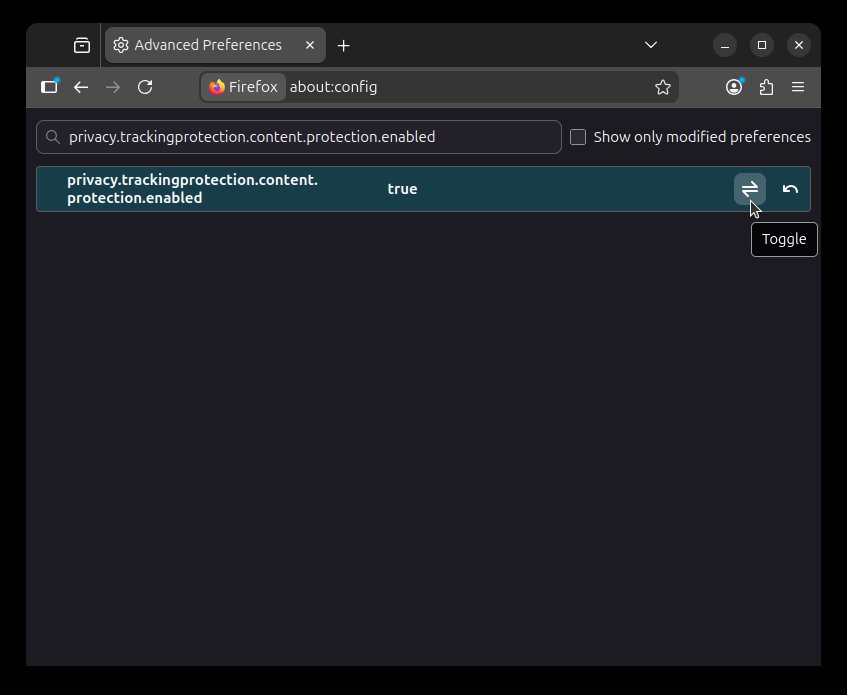
For users interested in testing this experimental feature, the process requires manual configuration through Firefox's about:config page. First, users must disable Enhanced Tracking Protection for the test site via the shield icon in the address bar. Then, by setting privacy.trackingprotection.content.protection.enabled to true and adding filter list URLs (like EasyList and EasyPrivacy), users can activate adblock-rust.
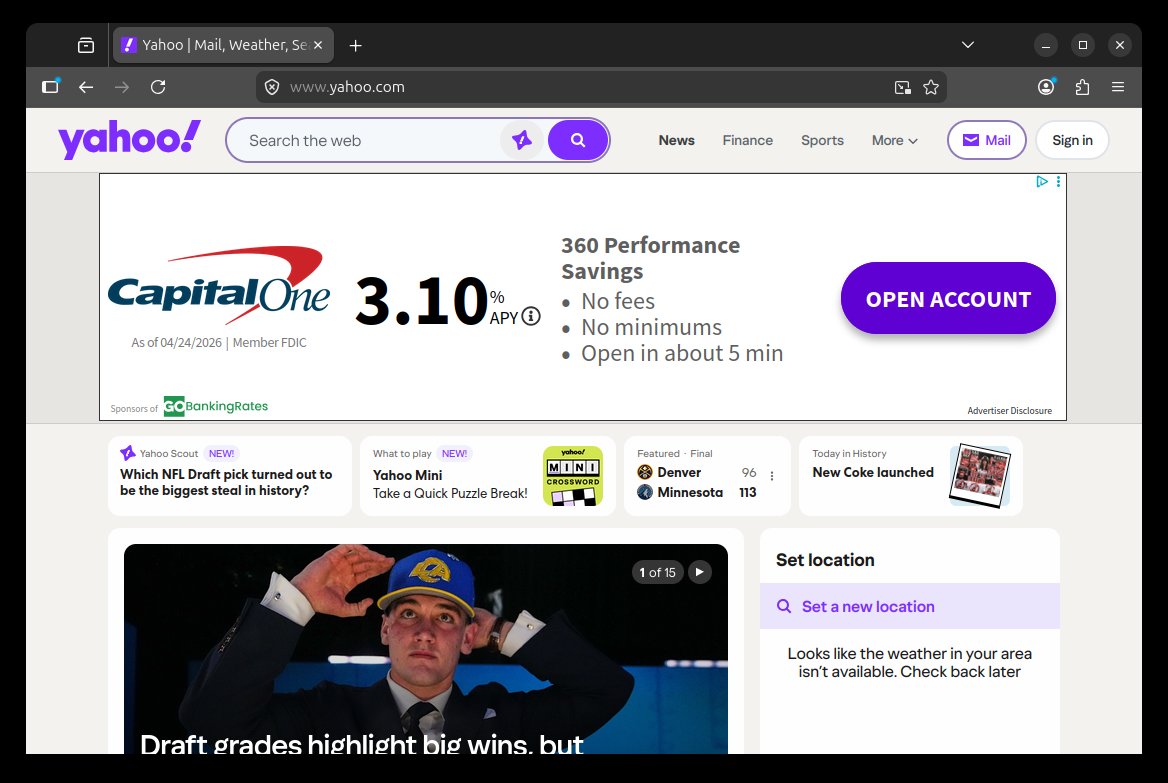
When properly configured, the engine works by allowing ad slots to render in the page layout while blocking the actual ad content. In tests, banner ads appear as simple "Advertisement" text without the visual elements. This approach maintains page structure while preventing ad content from loading.
The integration of Brave's adblock technology raises several questions about Mozilla's strategy. Firefox has traditionally relied on its own Enhanced Tracking Protection system, which uses blocklists from Disconnect and others. By incorporating Brave's engine, Mozilla may be exploring whether a more comprehensive, user-configurable solution would better serve its privacy-focused user base.
This move also reflects the broader trend in the browser ecosystem toward more powerful ad blocking capabilities. As users increasingly demand privacy controls, browsers are competing to offer the most effective solutions. Firefox's experiment with Brave's technology could signal a shift toward more modular, interchangeable blocking engines that users can customize to their preferences.
From a technical perspective, the Rust implementation offers potential performance benefits over JavaScript-based solutions. Rust's memory safety and concurrency features make it well-suited for network-level filtering tasks that require both efficiency and security.

For now, the experimental nature of this feature suggests Mozilla is carefully evaluating its effectiveness before potentially making it more accessible. Users interested in trying it should note that it's still in early development and may not be as stable or comprehensive as dedicated ad blocking extensions.
The quiet integration of Brave's technology into Firefox represents an interesting moment in the browser wars. While both browsers compete for users, they're also sharing technology to improve privacy features—a rare instance of cooperation in a competitive market. As this feature evolves, it could significantly impact how Firefox handles ad blocking and potentially influence the broader browser ecosystem.
Comments
Please log in or register to join the discussion