
When a developer stumbled upon dead links in Apple's WatchOS terms, it revealed a surprising vulnerability in even the world's most polished tech ecosystems. This investigation uncovers what broken links mean for corporate accountability and user trust.
In the digital age, where attention spans are measured in milliseconds and user interfaces are meticulously polished, one might expect even the smallest details to be flawless. Yet, a recent discovery by developer Victor Antos reveals that even trillion-dollar tech giants can have surprisingly embarrassing blind spots in their web infrastructure.
The saga began innocuously enough with a familiar notification on an iPhone: "Approve Apple Watch update?" Most users would mindlessly tap "Agree" and move on. But Antos, known for his meticulous attention to detail, did something extraordinary—he actually read the Terms & Conditions.
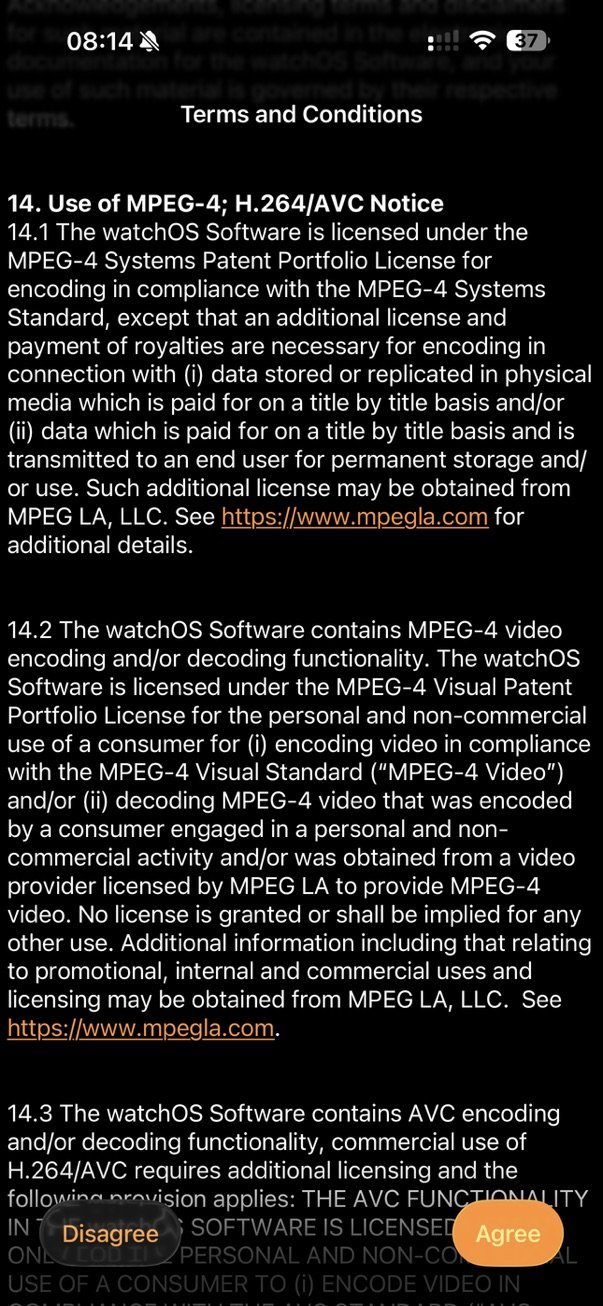
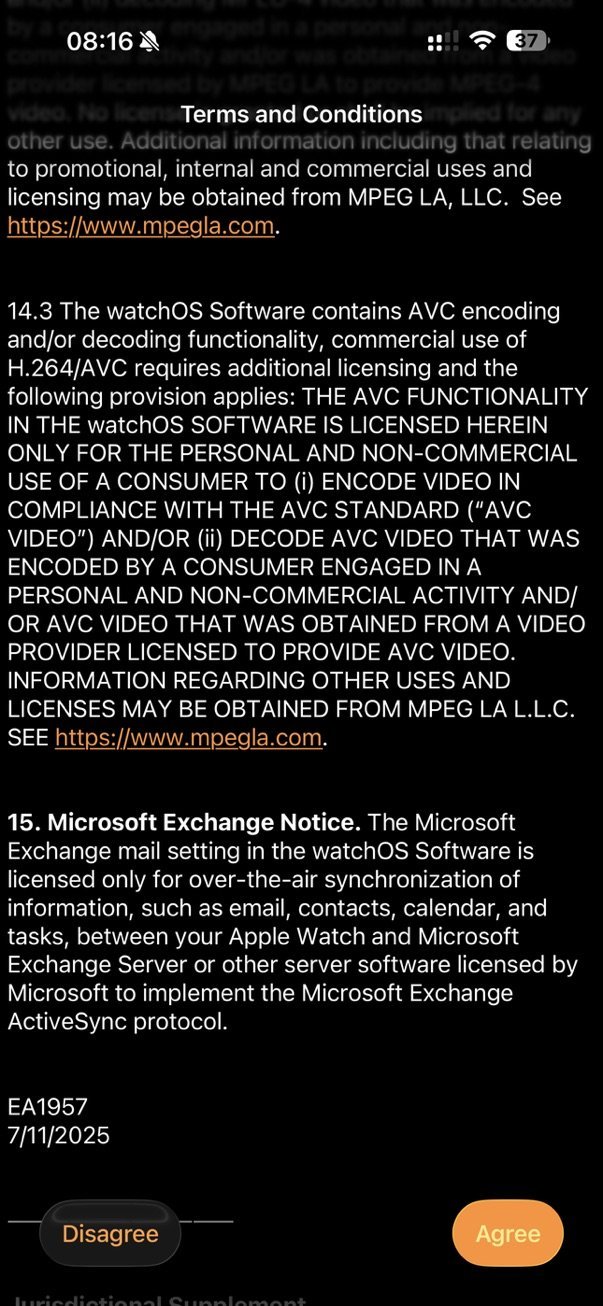
As he scrolled through the dense legal text, his attention was drawn to a reference to an MPEG-4 license, complete with a link to mpegla.com. Curiosity piqued, he followed the link only to be greeted with a 404 error page. What followed was a digital detective story that uncovered not just one, but three broken links within Apple's official terms document.
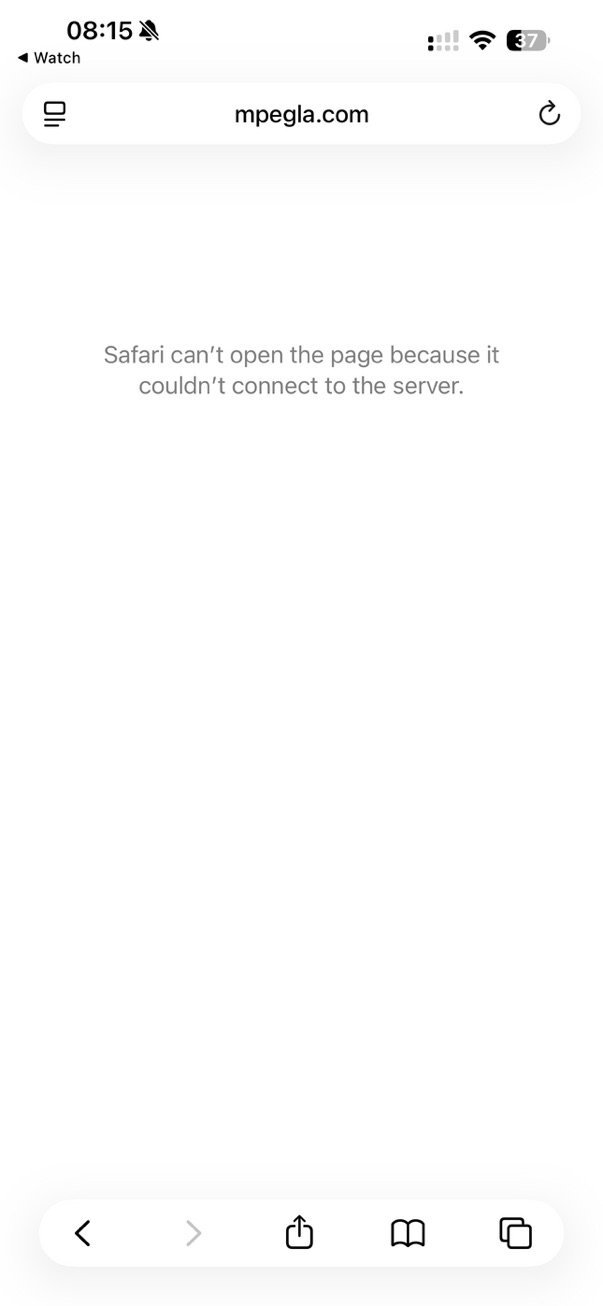
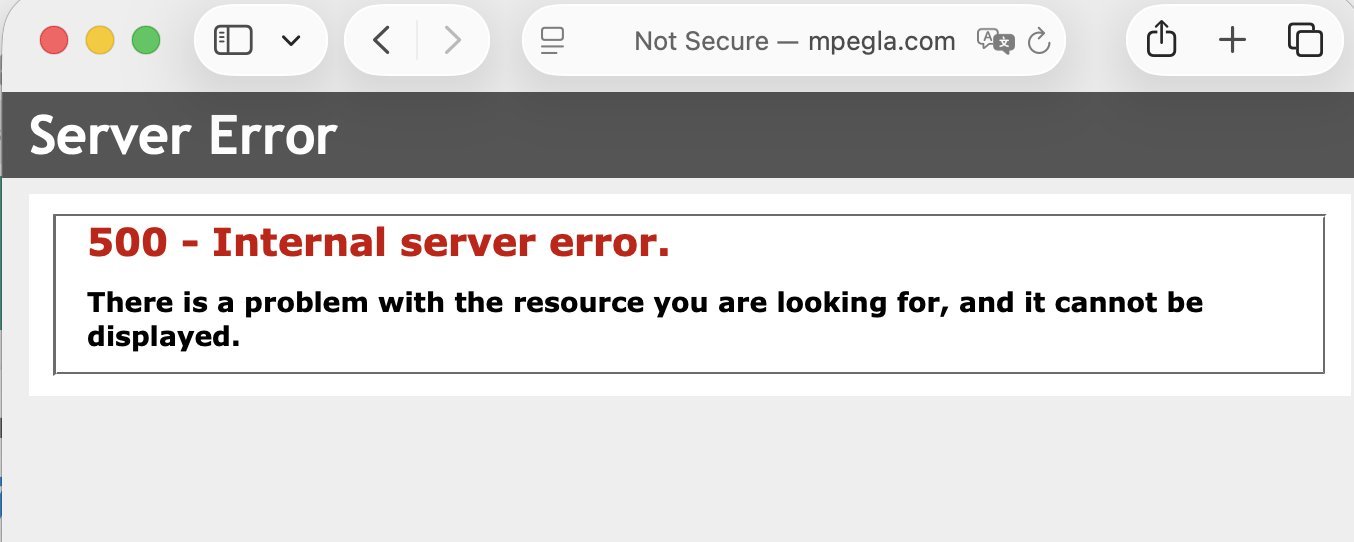
"After finishing my biological duties, I moved to my computer like a detective in a crime show," Antos recounted in his blog post. "HTTPS? Certificate error → 404. HTTP? Straight to a dejected 500 Internal Server Error, the unmistakable scent of a neglected .NET server."
The implications of this discovery extend far beyond a simple broken link. For a company that prides itself on user experience and attention to detail, dead links in official documentation represent a significant oversight. These links aren't just decorative—they point to legal licensing information that users might need to understand their rights and obligations.
The technical investigation revealed a pattern of neglect. The mpegla.com domain, which should be a stable repository of MPEG licensing information, was returning 500 Internal Server Errors—a classic sign of misconfigured or failing web infrastructure. For a company that builds some of the world's most reliable software, this inconsistency is particularly striking.
"As someone who spent years fixing .NET errors professionally, my first instinct was: 'Step aside, MPEG LA. I've got this,'" Antos wrote. "But who do you even email about this? [email protected]?"
This incident highlights a broader issue in the tech industry: the neglect of "dark patterns" in user interfaces and documentation. Terms and Conditions documents are notorious for their intentionally dense language and lack of user-friendly navigation. When combined with broken links, they create barriers to informed consent—a cornerstone of digital privacy and legal agreements.
For developers and security professionals, this discovery serves as a reminder that even the most polished surfaces can hide underlying technical debt. The web is built on countless interconnected systems, and when any component fails, it can create a cascade of user distrust.
In an era where users are increasingly concerned about data privacy and corporate transparency, the state of a company's terms and conditions becomes a reflection of its commitment to user rights. Broken links in these documents suggest either negligence or a lack of resources dedicated to maintaining even the most basic web infrastructure.
As Antos aptly noted, "It's a strange hobby, I know. But someone has to keep trillion-dollar companies accountable for their hyperlink hygiene."
This incident should serve as a wake-up call for all tech companies: attention to detail matters, especially in the documents that form the legal foundation of user relationships. In the end, it's not just about fixing broken links—it's about maintaining the trust that underpins our entire digital ecosystem.
Comments
Please log in or register to join the discussion