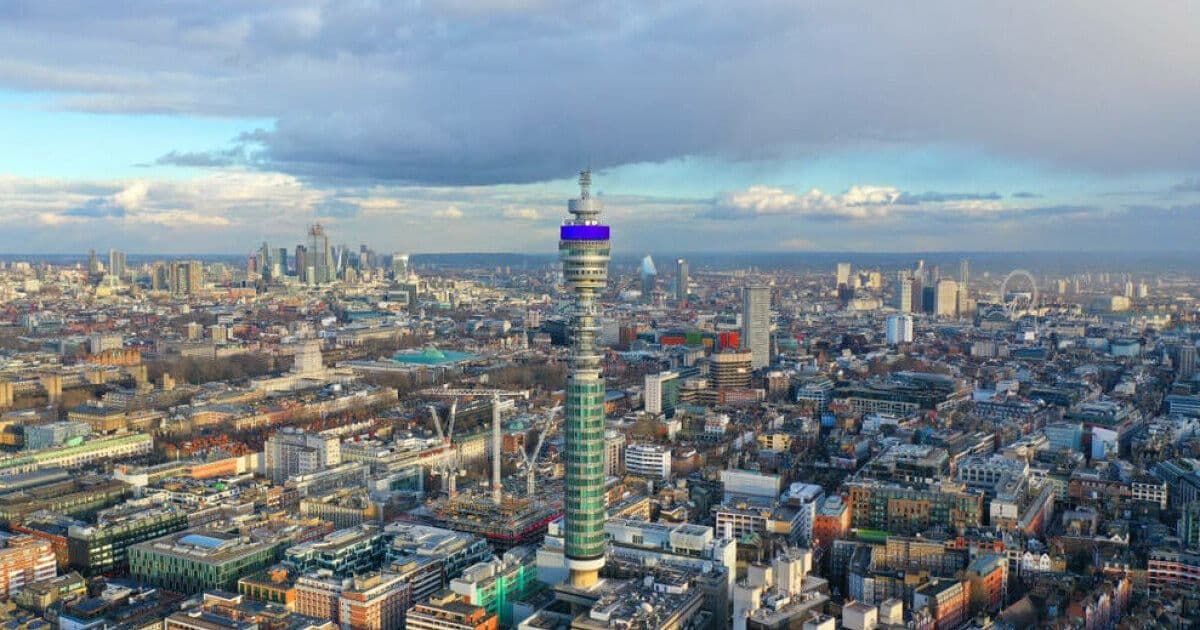
MCR Hotels plans to turn London’s iconic BT Tower into a hotel with a rooftop swimming pool, prompting mixed reactions from preservationists, tourists and city planners.
BT Tower’s Rooftop Pool Sparks Debate Over Heritage, Hospitality and Urban Play
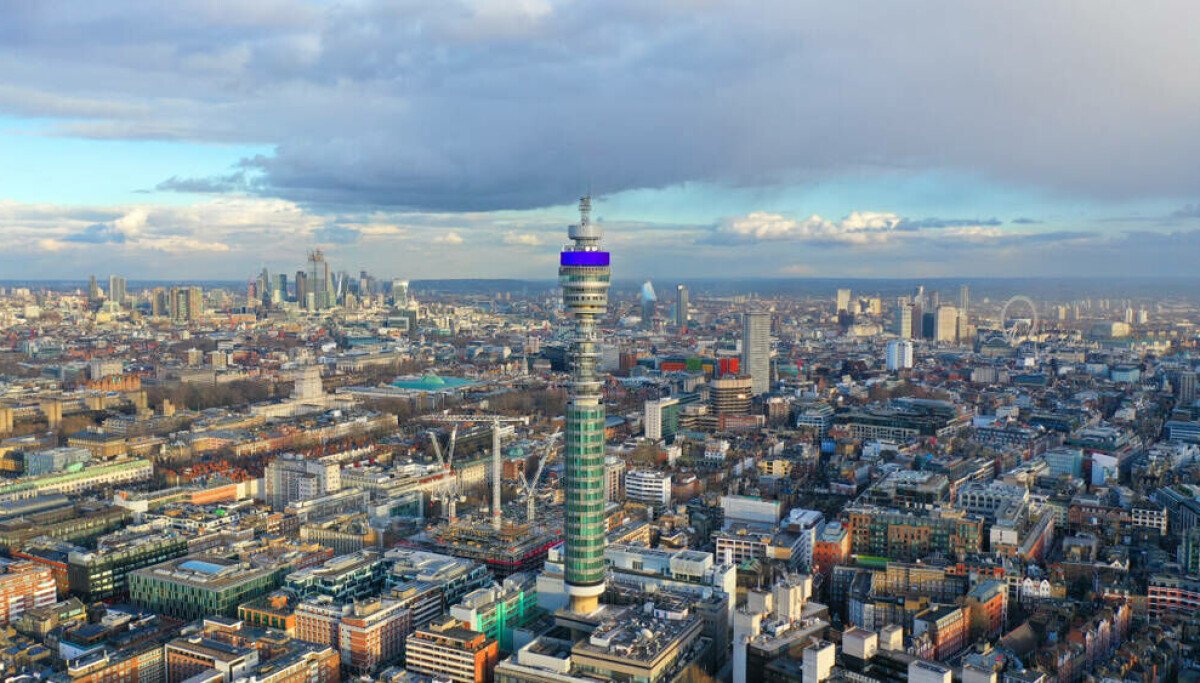
London’s former telecom beacon is about to become something very different. MCR Hotels, the US‑based operator that bought the Grade II‑listed structure for £275 million in 2024, has released a set of concept drawings that feature a public rooftop swimming pool perched 177 m above the West End. The proposal also includes a hotel, ground‑level retail, and public access to the tower’s historic observation decks.
Why the idea is gaining traction
- Tourist appeal – The tower’s silhouette is instantly recognisable; a pool with panoramic city views could become a new Instagram hotspot, similar to the Sky Pool at Embassy Gardens or the Shard’s infinity pool.
- Revenue diversification – Turning a former communications hub into a mixed‑use venue offers a way to recoup the £275 million purchase price while preserving the building’s exterior.
- Public access – After almost fifty years of restricted entry, the plan promises a viewing platform on the 34th floor, reviving the experience once offered by the revolving restaurant that closed in 1980.
The developer has scheduled public consultation sessions for May 11, 12 and 16, inviting locals to comment on the design, access routes and potential impacts on the neighbourhood.
Signals of community sentiment
During the first round of online feedback, several themes emerged:
- Heritage concerns – Conservation groups argue that adding a pool could compromise the tower’s listed status, especially if structural alterations affect the concrete façade.
- Safety and privacy – Residents of the surrounding Fitzrovia streets worry about increased foot traffic, noise, and the logistics of emergency egress from a pool that high above ground.
- Economic optimism – Local business owners see the development as a catalyst for footfall, expecting a boost for nearby cafés, boutiques and transport services.
These viewpoints echo earlier reactions to high‑rise amenities in London, where projects such as the Sky Pool have faced both praise for innovation and criticism for exclusivity.
Counter‑arguments and cautionary notes
- Structural feasibility – Engineers point out that retrofitting a swimming pool onto a tower originally designed for microwave antennas presents significant load‑bearing challenges. The additional water weight (roughly 1 tonne per cubic metre) could require reinforcement of the roof slab, potentially altering the tower’s silhouette.
- Regulatory hurdles – The building’s Grade II listing means any alteration must receive consent from Historic England. Past cases show that even seemingly reversible changes can be rejected if they affect the character‑defining elements.
- Alternative uses – Some urban planners suggest that a public observation deck with a modest café could achieve similar visitor numbers without the engineering complexity of a pool. A sky‑garden or open‑air lounge might preserve the tower’s visual integrity while still delivering a unique experience.
What this means for London’s high‑rise future
If MCR proceeds, the BT Tower could become the latest example of London’s shift from utilitarian skyscrapers to experience‑driven destinations. The project highlights a broader pattern: developers are increasingly looking to iconic structures as platforms for hospitality and leisure, betting that the novelty factor outweighs the costs of adaptation.
At the same time, the push‑back from heritage advocates underscores a growing awareness that not every landmark is a blank canvas. The outcome of the BT Tower consultation will likely inform how other historic high‑rises—such as the former Gherkin office tower or the Barbican’s residential blocks—are approached in future redevelopment talks.
Bottom line: The rooftop pool proposal has sparked a lively conversation about balancing commercial ambition with preservation, safety and community impact. The final decision will hinge on whether the engineering solutions satisfy heritage regulators and whether the public perceives the new use as an enhancement rather than a intrusion.
Comments
Please log in or register to join the discussion