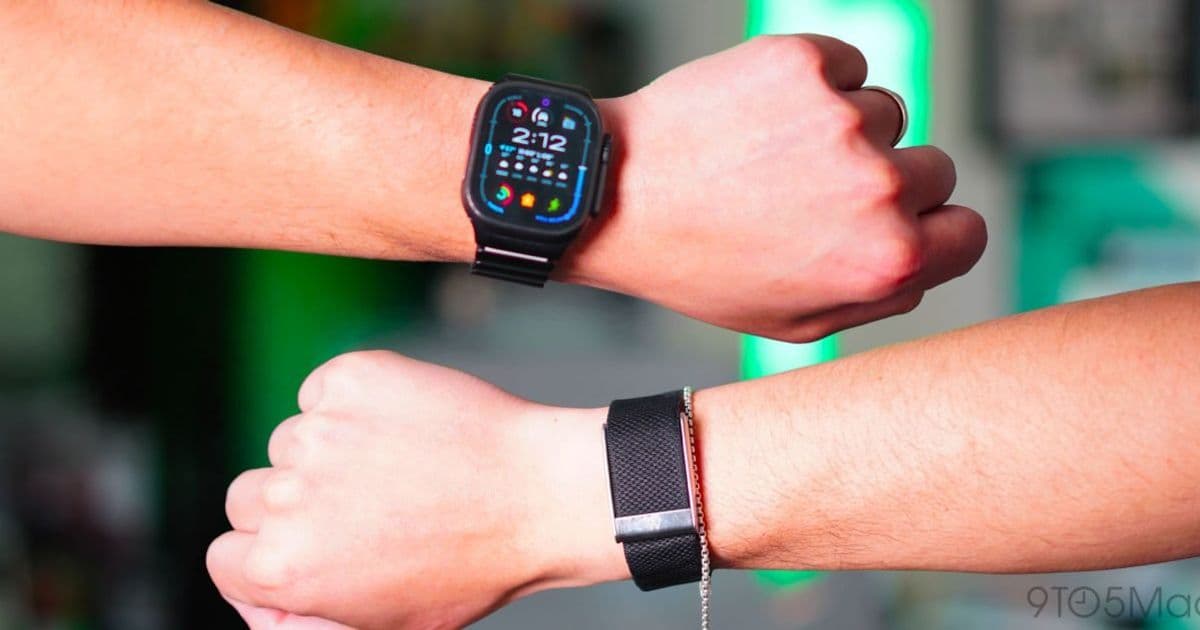
After wearing an Apple Watch Ultra 2 and a WHOOP MG for two months, tech writer Fernando Silva breaks down design philosophy, battery life, sensor suites, app experiences, pricing and the overall value proposition of each device.
Apple Watch vs WHOOP: 60‑Day Real‑World Comparison
Why I put these two on my wrist
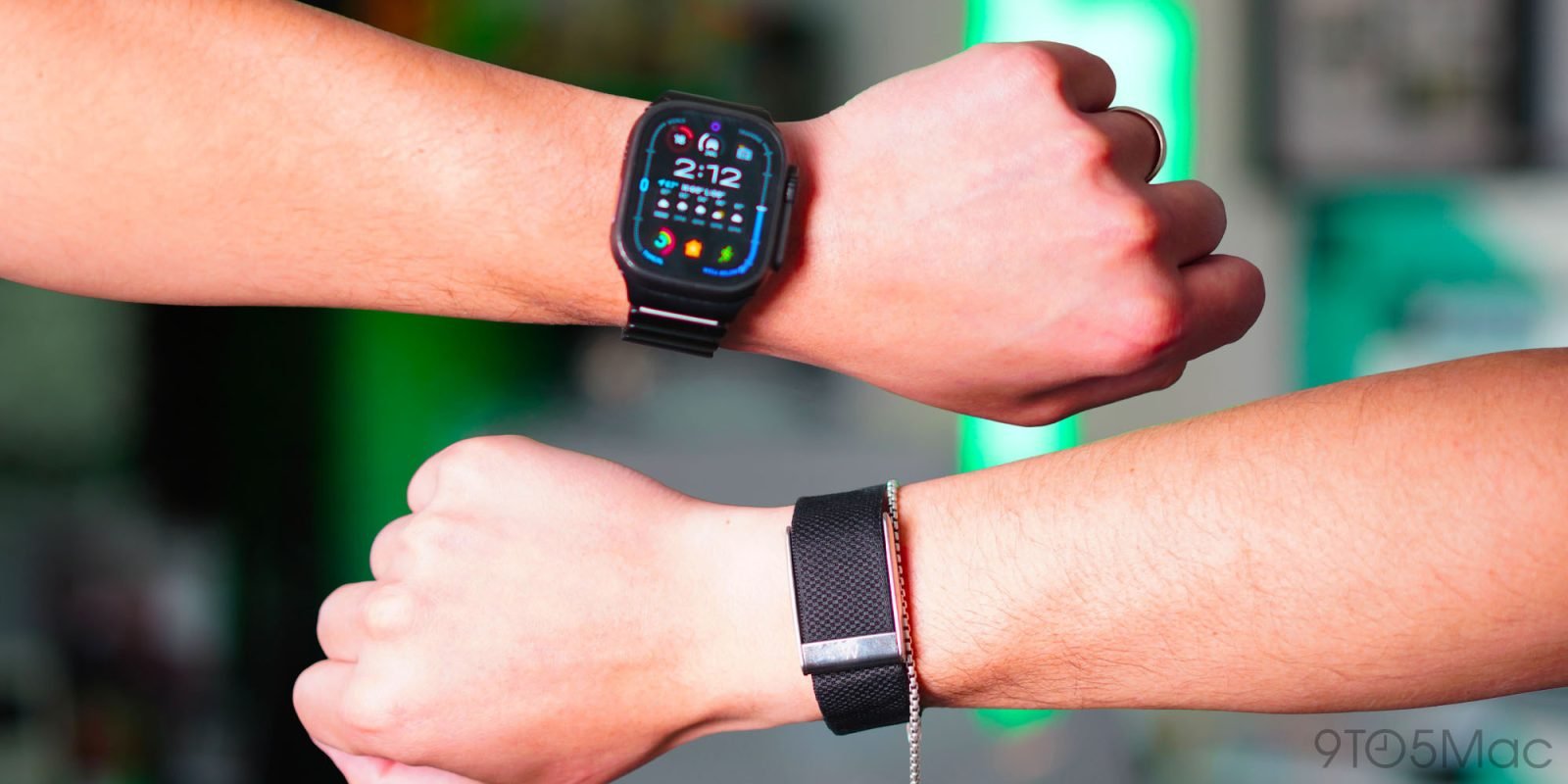
For two months I alternated between an Apple Watch Ultra 2 and the latest WHOOP MG. My goal was simple: see whether the hype around WHOOP’s “pure‑fitness” approach holds up against the Apple Watch, a device I’ve used for over a decade. The result is a detailed look at hardware, software and the economics of each ecosystem.
Design philosophies – screen vs. no‑screen
The WHOOP is built around the idea of invisibility. Weighing just 26.5 g, it has no display, no buttons and essentially no way to interact with it except when you charge it. You can wear it on the wrist, bicep or even a waistband with the right accessory. The device sits in the background, collecting data silently.
The Apple Watch, by contrast, is a smartwatch first. Its bright Retina display, tactile side button, digital crown and a full suite of apps make it an active extension of your iPhone. Even when you focus on health metrics, you’re still tapping, swiping and receiving notifications throughout the day. The two philosophies lead to very different daily experiences: WHOOP feels like a passive sensor, Apple Watch feels like a tool you actively engage with.
Battery life – weeks vs. days
WHOOP advertises up to 14 days of runtime; in my test I consistently saw 10‑12 days before the band needed a charge. The charging method is a small battery pack that slides onto the strap, allowing you to charge the device while it stays on your wrist. I preferred to remove it, but the option is there for uninterrupted tracking.
The Apple Watch Ultra 2, now two years old, still manages about 30‑32 hours of use per charge. Its low‑power mode can stretch that to roughly 60 hours, but daily charging is the norm for most users. Heavy workouts, GPS usage and bright screen settings drain the battery faster. If you need a device that never leaves your body, WHOOP clearly wins.
Sensor suites – who measures more?
| Sensor | Apple Watch Ultra 2 | WHOOP MG |
|---|---|---|
| Optical heart‑rate | ✅ | ✅ |
| Electrical heart sensor (ECG) | ✅ | ❌ |
| Blood‑oxygen (SpO₂) | ✅ | ❌ |
| Skin temperature | ✅ | ✅ |
| Accelerometer | ✅ | ✅ |
| Gyroscope | ✅ | ❌ |
| Dual‑frequency GPS | ✅ | ❌ |
| Altimeter / depth gauge | ✅ | ❌ |
| Ambient light sensor | ✅ | ❌ |
| Blood‑pressure (experimental) | ❌ | ✅ (high friction) |
Apple Watch carries a broader set of health hardware, including ECG, SpO₂ and GPS. WHOOP focuses on heart‑rate variability, skin temperature and basic motion tracking. Despite the hardware gap, the core metrics—resting heart rate, HRV, sleep stages and recovery scores—are comparable between the two platforms.
The software layer – guided vs. raw data
WHOOP’s strength lies in its app. The interface presents a daily Recovery Score, Strain Target, and sleep coaching. A recent update added an AI assistant that answers questions such as “Should I run today?” or “Why was my sleep poor?” The app interprets the data and suggests actionable steps.
Apple Health shows the same raw numbers—HRV, VO₂ max, resting heart rate—but leaves the interpretation to you. You can read brief explanations, but there is no built‑in guidance that tells you how to improve a low recovery score. For users who want a hands‑off, recommendation‑driven experience, WHOOP’s software feels more polished.
The hidden cost – hardware vs. subscription
WHOOP MG costs $359 per year, which includes the band, the charging pack and the subscription that powers the app. The hardware alone is not a one‑time purchase; the service is required to unlock the analytics.
An Apple Watch Series 11 (the latest model at the time of writing) can be found for around $299 as a one‑off purchase. The watch comes with the Apple Health ecosystem for free, and third‑party apps like Bevel can replicate many WHOOP features—including recovery scores and AI insights—without a recurring fee.
If you already own an Apple Watch, the subscription model of WHOOP becomes hard to justify. You can achieve a comparable experience with a modest‑priced app, while retaining the richer sensor set of the watch.
Practical annoyances
- Vibration alerts – WHOOP’s motor feels cheap; the double‑tap to silence often fails, requiring multiple taps.
- Band hygiene – The fabric strap absorbs sweat and develops an odor quickly. A rubber alternative would be preferable for 24/7 wear.
- Missing GPS – WHOOP does not record runs or rides with GPS, a glaring omission for runners.
These details matter when a device is meant to be worn continuously.
Who should choose WHOOP?
- Users who prioritize long battery life and a truly distraction‑free wrist.
- People who want guided health insights without digging through raw numbers.
- Those who value the brand aura and community vibe around WHOOP.
Who should stick with Apple Watch?
- Anyone who wants a multifunction device—calls, messages, apps, GPS, and a full health sensor suite.
- Users who prefer one‑time hardware cost and can supplement with third‑party apps for deeper analytics.
- People who already own an Apple Watch and are comfortable customizing notifications to keep the experience low‑key.
Bottom line
After 60 days the Apple Watch feels like a more versatile platform that can be a WHOOP when paired with the right software. WHOOP excels at passive, long‑duration tracking and offers a curated coaching experience, but its hardware limitations and subscription cost make it a niche choice.
Recommendation: For most consumers, the Apple Watch remains the better overall investment. It delivers a richer sensor set, a robust app ecosystem and the flexibility to stay silent when you need it. WHOOP is a solid secondary device for those who truly need a screen‑free, always‑on tracker and are comfortable with the annual fee.
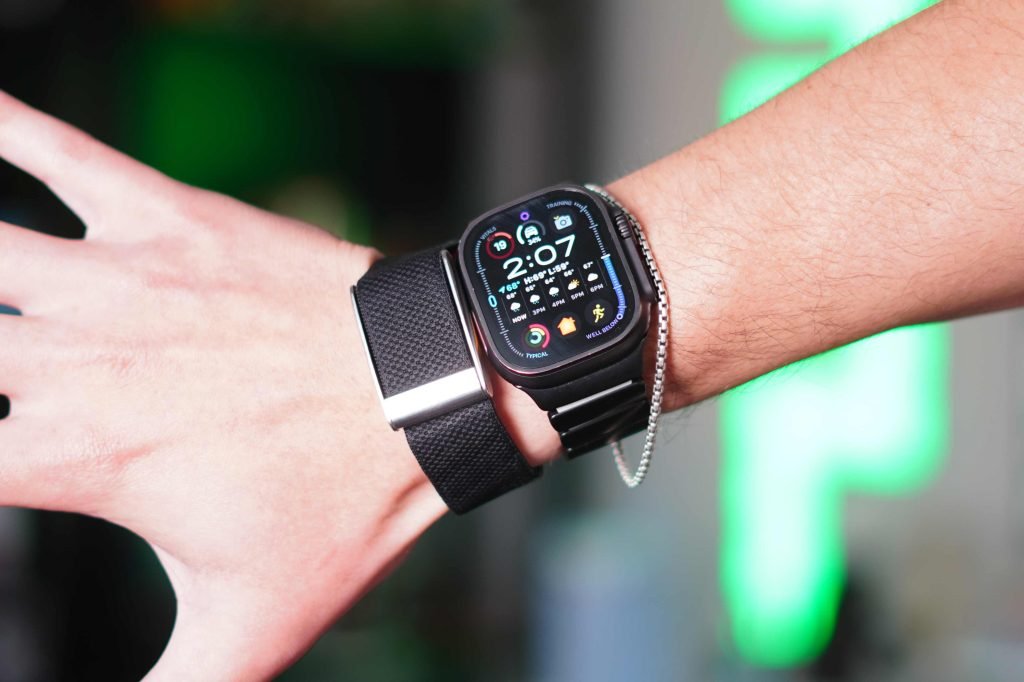
For a visual comparison of the two devices, see the image below.
Comments
Please log in or register to join the discussion