
A new platform, Bugmail.site, aims to streamline the chaotic process of vulnerability reporting by creating a standardized channel between security researchers and development teams, addressing critical gaps in modern software security workflows.
Bugmail.site: Centralizing Vulnerability Disclosure in a Fragmented Security Landscape
In the high-stakes world of software security, the process of reporting vulnerabilities often resembles a digital wild west. Security researchers navigate a labyrinth of contact forms, private emails, and public forums to deliver critical findings, while development teams struggle to triage and prioritize incoming reports across disparate channels. This fragmentation creates dangerous delays in patching critical flaws, leaving systems exposed to exploitation. To address this systemic challenge, Bugmail.site emerges as a centralized hub designed to streamline the entire vulnerability disclosure lifecycle.
The Broken Pipeline of Vulnerability Reporting
Current disclosure workflows are rife with inefficiencies. Researchers must manually verify responsible disclosure policies, locate appropriate contacts, and format reports according to each project's unique requirements. For development teams, managing incoming reports from multiple sources—GitHub issues, HackerOne submissions, and direct emails—creates operational chaos. "A critical vulnerability might sit in an unmonitored inbox for days because it wasn't routed to the right security lead," notes a senior security engineer at a major cloud provider who requested anonymity. "We need a universal standard for these reports."
This fragmentation has tangible consequences. The 2021 Log4j vulnerability demonstrated how delays in coordinated disclosure can cascade into global supply chain attacks. Similarly, misrouted reports in open-source projects like OpenSSL have led to public disclosure before patches were ready, enabling malicious actors to weaponize flaws.
Introducing Bugmail: A Structured Approach
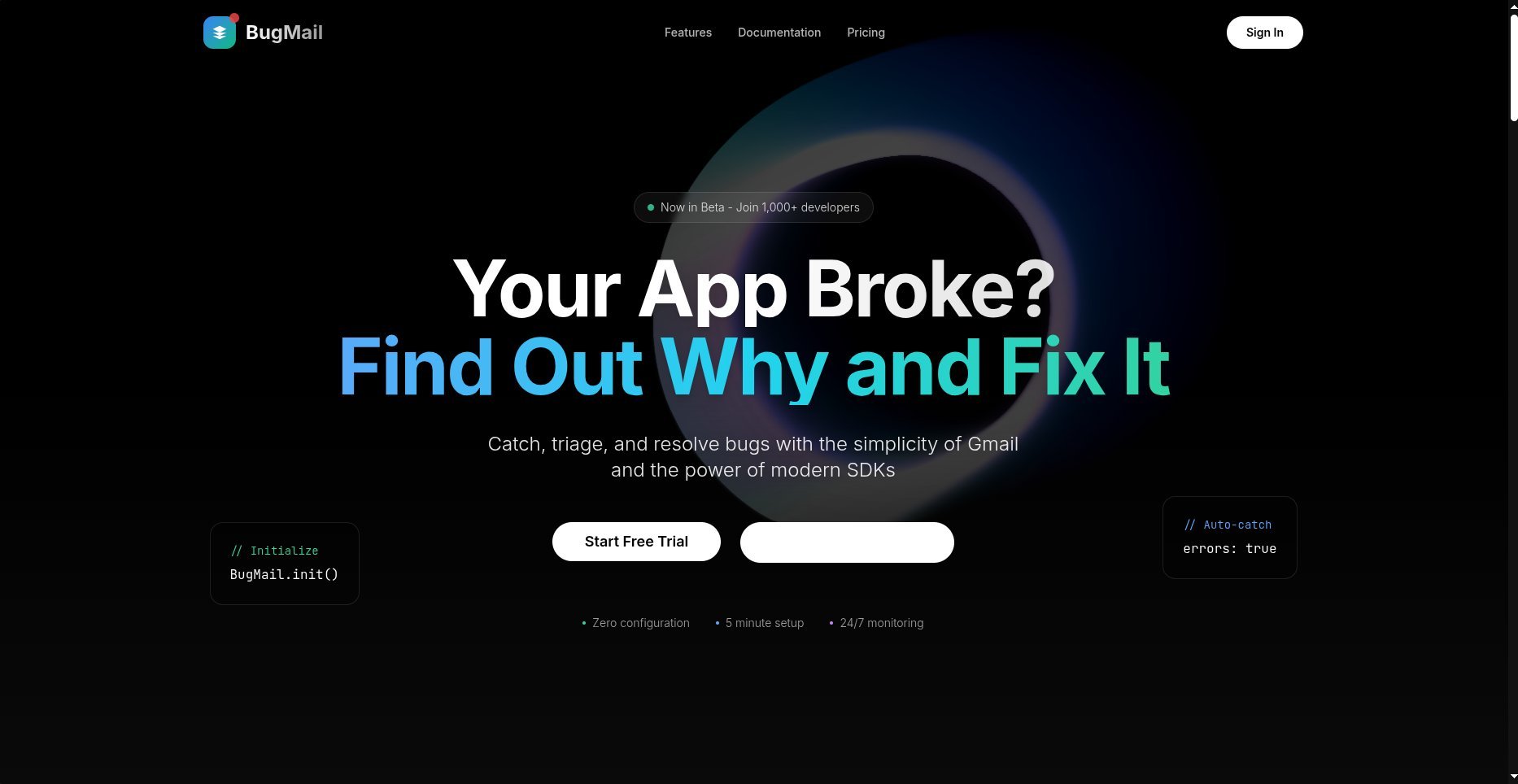
Bugmail.site addresses these pain points by establishing a standardized, platform-agnostic channel for vulnerability reports. The service operates on a simple premise: researchers submit detailed disclosures through a unified interface, while maintainers receive notifications via their preferred communication methods—email, Slack, or webhook integrations.
The platform enforces structured reporting through mandatory fields: affected software versions, PoC (proof of concept) details, CVSS scores, and remediation timelines. This eliminates the ambiguity of unstructured text-based reports. "We're not just a mailbox," explains the platform's documentation. "We're a metadata layer that contextualizes every vulnerability report, enabling automated triage and routing."
Technical Architecture and Security Measures
Built with a focus on confidentiality, Bugmail employs end-to-end encryption for all submissions. Researchers can optionally enable "burner mode," which anonymizes their identity until the vulnerability is patched—a critical feature for those reporting against corporate targets. The platform's API allows integration with SIEM systems and vulnerability management tools, creating a seamless bridge from discovery to remediation.
The service's routing engine uses machine learning to categorize reports based on affected components and severity, automatically escalating critical issues to designated security contacts. For open-source projects, Bugmail offers public disclosure dashboards that maintain transparency while protecting sensitive details until patches are ready.
Industry Implications and Adoption Challenges
While centralized reporting platforms promise efficiency, adoption faces hurdles. Enterprises may resist funneling disclosures through a third-party service due to compliance concerns. "We can't use external tools for handling zero-days," warns a CISO in the financial sector. "These require direct, encrypted channels with our internal teams."
Bugmail addresses this by offering self-hosted options for organizations with stringent requirements. The platform's open-source components allow customization while maintaining its core reporting standards. For the broader security community, however, the service represents a potential paradigm shift—moving vulnerability disclosure from a patchwork of ad-hoc processes to a structured, auditable workflow.
As software supply chains grow increasingly complex, tools that standardize security communication become essential. Bugmail.site's success will depend on its ability to balance researcher needs with organizational security policies, potentially setting new industry standards for responsible disclosure in an era of rapid software evolution.
Comments
Please log in or register to join the discussion