Microsoft MVP Areti Iles shares hard-won lessons from launching the Reading Dynamics 365 & Power Platform User Group, offering a tactical blueprint for organizers navigating venue logistics, speaker coordination, and the reality of free event attendance rates.
Starting a user group often begins with a simple observation: there's a gap in your local community. For Areti Iles, that gap was a lack of Dynamics 365 and Power Platform meetups in Reading after she moved there in 2021. What started as a personal need to network evolved into a structured community initiative, culminating in four events per year and a growing team of organizers. The journey from idea to execution reveals the complex ecosystem of logistics, community dynamics, and strategic planning required to sustain a tech user group.
The Reality of Community Building
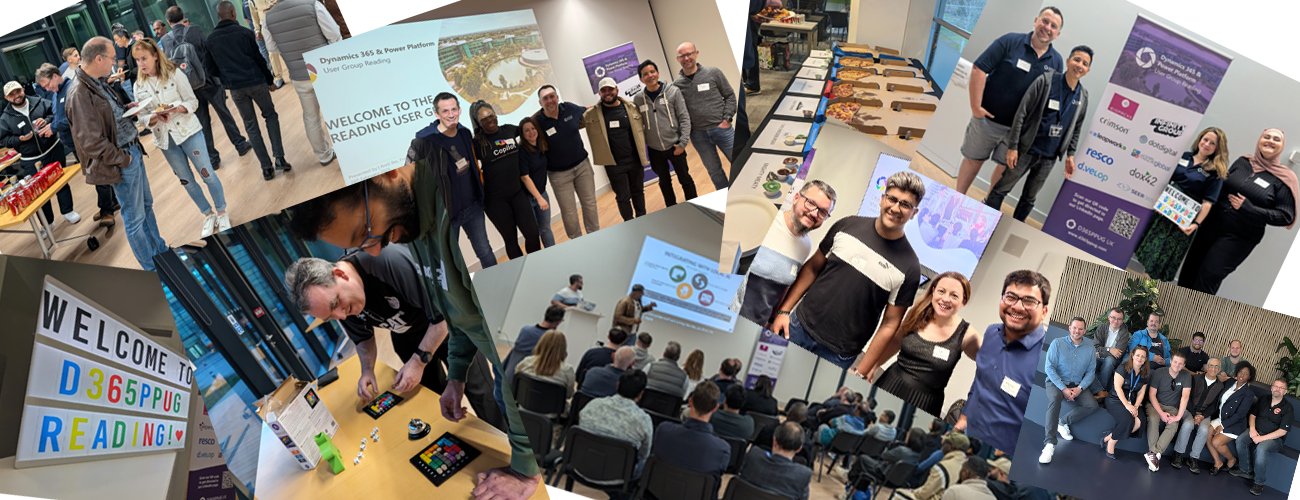
Iles emphasizes that user groups are fundamentally team efforts. "Running a user group is not a one-person undertaking," she notes. When she reached out to the UK Dynamics 365 and Power Platform User Groups to establish a Reading chapter, the community responded. Fraser Dear and Tim Leung joined as co-organizers, later expanding to include Ban Hasan. This collaborative foundation proved essential when facing practical challenges like changing venues three times and discovering that vegan pizzas arrive uncut—seemingly minor details that become significant when managing events.
The Microsoft community's network effect became apparent when local MVPs Chris Huntingford and Carl Cookson volunteered as inaugural speakers. Their involvement provided credibility and helped drive promotion, demonstrating how established community members can accelerate a new group's momentum.
Venue Selection: Beyond Basic Requirements
Choosing a venue involves evaluating multiple dimensions beyond simple availability:
Capacity and Scalability: Determine your attendee limit early. The Reading group's first event saw over 50 sign-ups but only about 20 attendees—a 40-50% drop rate typical for free community events. This reality informs venue size decisions; overcrowding is preferable to an empty room, but excessive capacity can feel underwhelming.
Cost and Sponsorship: The Reading group secured free space at Microsoft's Thames Valley Park offices through UK Dynamics 365 and Power Platform User Groups sponsorship. This model—using sponsor offices—eliminates venue costs but requires coordination with corporate schedules. Alternative options include local business parks, which can attract attendees from nearby companies, or community spaces with varying accessibility considerations.
Accessibility and Logistics: Consider transport options, parking availability, and ease of navigation. A venue that's difficult to find or reach will limit attendance regardless of the event's quality. For in-person events, ensure the space accommodates speakers' technical needs: projectors, reliable Wi-Fi, and adequate seating arrangements.
Timing and Scheduling Strategy
Date selection requires balancing multiple constraints:
Competing Events: Check local user group calendars to avoid conflicts. Overlapping events split audiences and speaker availability.
Holidays and Cultural Considerations: School holidays, religious festivals, and public holidays significantly impact attendance, particularly for parent attendees. The Reading group typically hosts evening events (starting around 18:00) lasting 2-3 hours to accommodate work schedules while preventing late finishes.
Team Availability: Ensure your organizing team can commit to the chosen date. Running an event requires multiple people for registration, speaker support, and attendee assistance.
Speaker Management: From Recruitment to Appreciation
Finding and retaining speakers is critical for content quality and community growth:
Recruitment Channels: Leverage your existing network first. The Microsoft community is interconnected; asking for referrals often yields qualified candidates. Tools like Sessionize provide speaker directories, and creating a simple speaker interest form (distributed via QR code at events) builds a pipeline of future presenters.
Session Vetting: Require clear titles and descriptions before selection. Discourage pure sales pitches unless the speaker is a sponsor. The goal is educational content that serves attendees, not promotional material.
Pre-Event Coordination: Establish clear expectations about expenses (most community events don't cover speaker costs), provide slide deck templates with sponsor slides, and conduct a sync call to address questions. Accessibility is crucial—speakers should check slides for readability and consider live captions for hearing-impaired attendees.
Post-Event Recognition: Speakers invest significant preparation time. Tokens of appreciation (like chocolates) and professional photos shared on social media encourage repeat participation. Encouraging speakers to promote the event and speaker form extends the group's reach.
Attendee Experience Design
Creating a welcoming environment requires intentional planning:
Identification and Networking: Organizers should wear matching polos and name tags for easy identification. Providing attendee name tags (simple sticky labels) facilitates networking. An icebreaker activity—like a puzzle game—can help break the ice as people arrive.
Inclusive Planning: Use registration platforms to collect dietary requirements and accessibility needs. The Reading group learned that vegan pizza requires a dedicated cutter to avoid cross-contamination—a detail that matters for attendees with allergies.
Takeaways and Feedback: Swag like stickers promotes the group and gives attendees something tangible. A QR code for feedback at the event's end provides actionable insights for improvement.
Promotion and Communication Cadence
Effective promotion requires a multi-channel approach:
Platform Strategy: Meetup simplifies registration and reminders. The Microsoft Community site (Dynamics 365 and Power Platform communities) provides official listing and credibility. LinkedIn pages and WhatsApp communities enable direct communication and social sharing.
Communication Timeline:
- 1-2 weeks before: Send key information updates and request RSVP adjustments
- Day before: Final reminder with last-minute logistics and contact details
- Post-event: Thank-you message to all registrants (attendees and no-shows), with speaker LinkedIn profiles and next event promotion
On-the-Day Execution
The event day requires both preparation and flexibility:
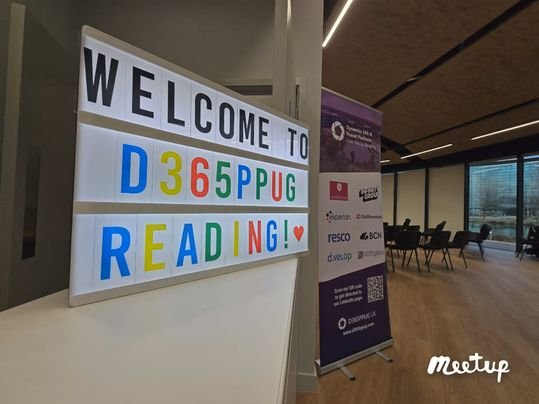
Atmosphere and Navigation: Strategic banner placement guides attendees. Background music (even live performances from community members) creates a welcoming environment. A slide reel with agenda, sponsor information, and next event details keeps attendees informed while waiting.
Speaker Support: Ensure speakers have what they need and provide encouragement, especially for first-time presenters.
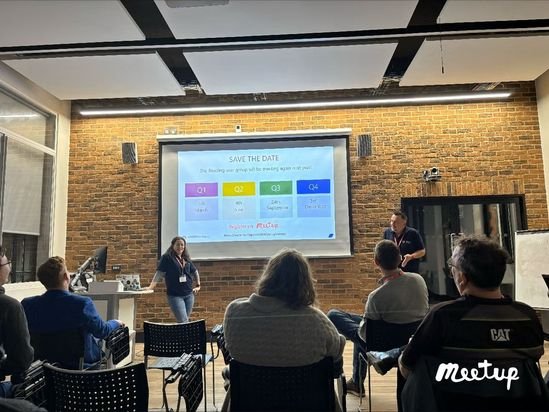
Community Building: Include a closing slide promoting other local events, fostering cross-community connections.
Mindset: "Have fun," Iles advises. "If something doesn't go to plan, there's always next time."
The Strategic Value of User Groups
Beyond logistics, user groups serve broader ecosystem functions. For Microsoft, they extend product education and community support beyond formal channels. For attendees, they provide networking, skill development, and problem-solving opportunities. For speakers, they offer practice, visibility, and community contribution.
The Reading group's evolution—from initial idea to quarterly events—demonstrates that sustainable community building requires more than enthusiasm. It demands systematic planning, realistic expectations about attendance, and a willingness to iterate based on feedback.
Resources for Aspiring Organizers
- Reading Dynamics 365 & Power Platform User Group on Dynamics 365 Community
- Reading UG on Power Platform Community
- Meetup Events Page
- UK Dynamics 365 and Power Platform User Groups
- Sessionize Speaker Directory
Conclusion
Launching a user group is a marathon, not a sprint. The Reading group's experience shows that success comes from combining community goodwill with practical systems: clear venue criteria, strategic scheduling, thoughtful speaker management, and inclusive attendee experiences. As Iles concludes, "It is a lot of work. I promise you it's worth it. You will see the difference it makes to the attendees, to the speakers and to you."
For technology professionals seeking to strengthen local communities, the path is clear: identify the gap, assemble a team, and build systematically. The Microsoft ecosystem, like many tech communities, thrives on this grassroots energy—transforming individual initiative into collective value.
Comments
Please log in or register to join the discussion