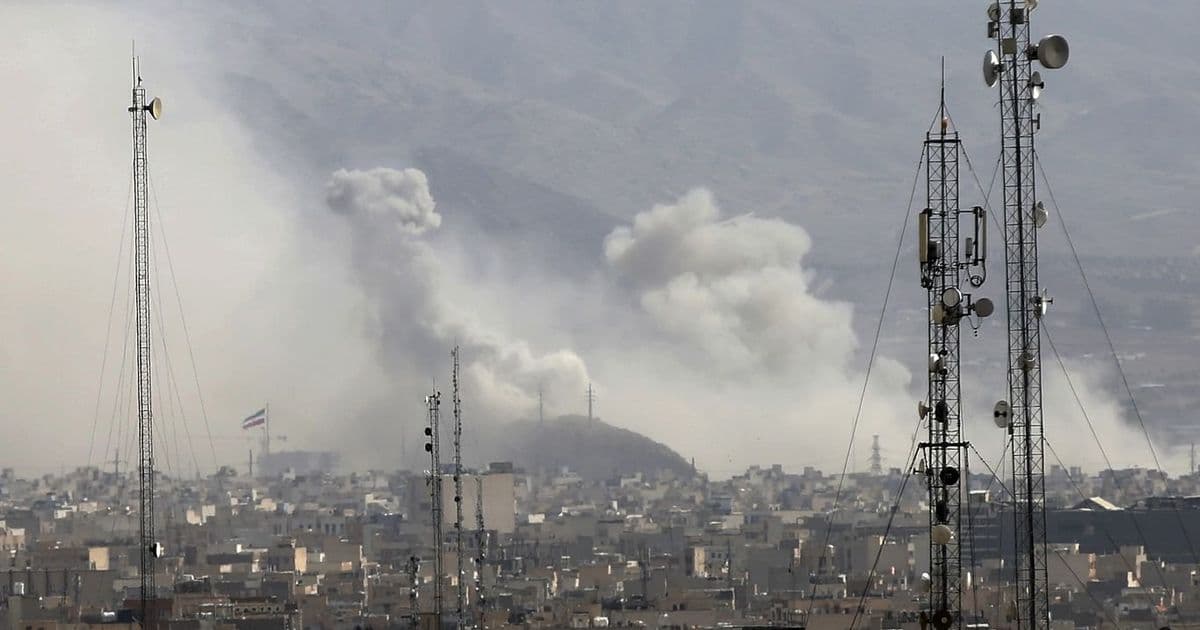
Crude oil prices surged to their highest levels in months as geopolitical tensions in the Middle East triggered immediate market reactions, with Brent crude climbing over 4% in early trading.
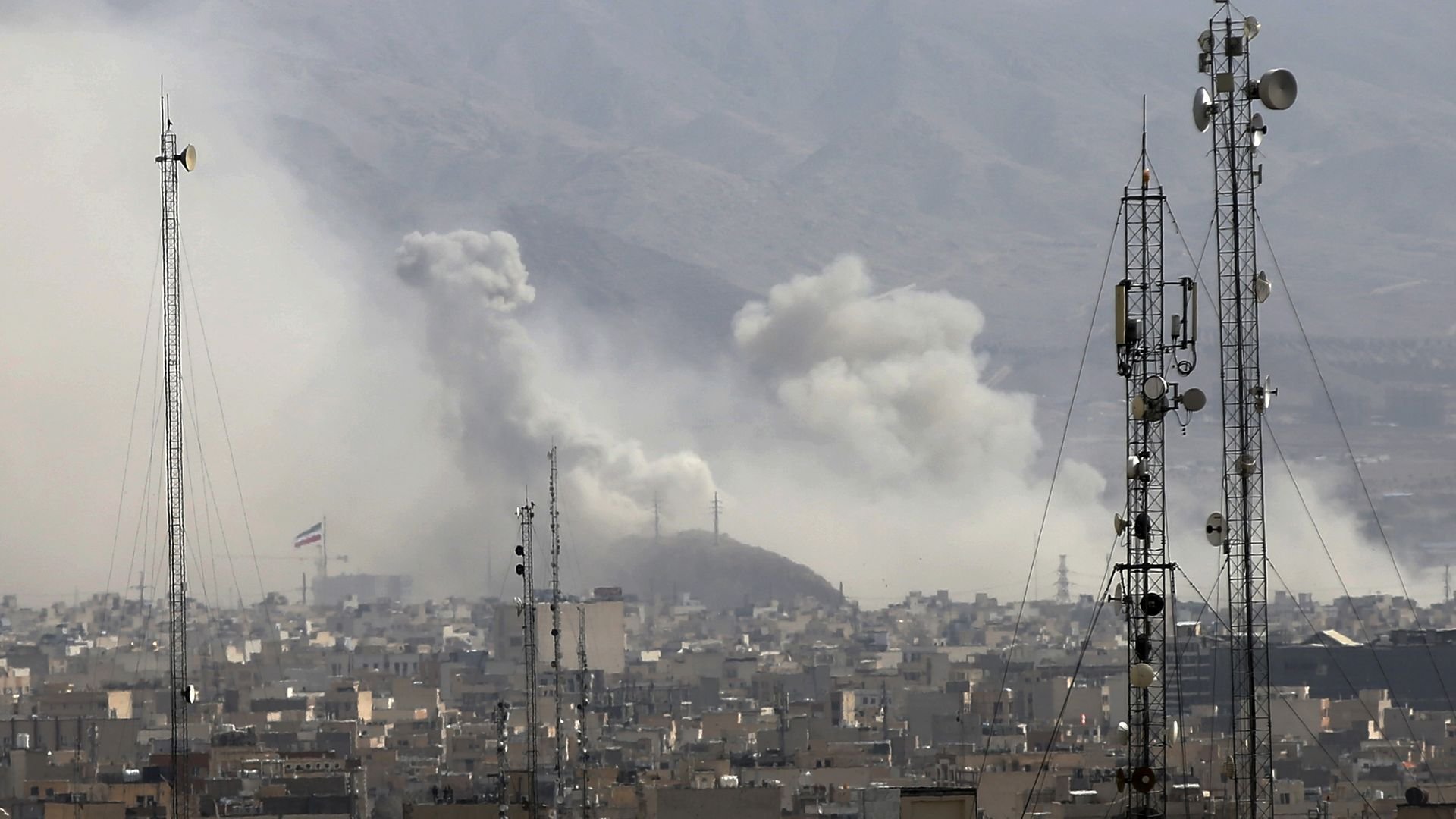
The global oil market experienced significant volatility this morning as Brent crude prices jumped more than 4% in early trading, reaching levels not seen since last year's energy crisis. The surge came in direct response to escalating military actions in the Middle East, where Israeli airstrikes targeted multiple sites in Tehran, causing widespread disruption and raising immediate concerns about potential supply chain interruptions.
Energy analysts noted that the price spike reflects the market's sensitivity to Middle Eastern geopolitical developments, given that the region accounts for approximately 35% of global oil production. The immediate reaction underscores how quickly energy markets can respond to perceived threats to supply stability, with futures contracts for both Brent and West Texas Intermediate crude experiencing sharp upward movements.
Market experts point to several factors driving the price surge beyond the immediate conflict. First, there are concerns about potential Iranian retaliation that could target oil infrastructure in the Persian Gulf, a critical shipping route for global energy supplies. Second, traders are factoring in the possibility of broader regional instability that could affect production from other major producers like Saudi Arabia and the UAE.
The price movement also highlights the interconnected nature of global energy markets. Even though Iran's direct oil exports have been significantly reduced due to sanctions, any conflict involving the country creates ripple effects throughout the entire Middle Eastern oil sector. This sensitivity is particularly pronounced given current global supply constraints and the ongoing recovery in energy demand as economies continue to emerge from pandemic-related slowdowns.
Financial institutions are already revising their short-term oil price forecasts upward, with some analysts suggesting prices could climb another 10-15% if the conflict escalates further. The situation is being closely monitored by energy traders, who are particularly attuned to any signs of potential supply disruptions through the Strait of Hormuz, where approximately 20% of global oil shipments pass.
For consumers, the immediate impact may be felt at gas pumps in the coming weeks, though the extent will depend on how long prices remain elevated and whether the conflict spreads to affect major oil-producing nations beyond Iran. Energy economists note that sustained price increases above certain thresholds typically take 2-3 weeks to fully translate into retail fuel prices.
The market reaction also comes at a time when many energy companies were already dealing with supply chain pressures and inflationary costs. The additional volatility introduces new uncertainty for businesses and consumers alike, particularly in sectors heavily dependent on fuel costs such as transportation and manufacturing.
As diplomatic efforts intensify to de-escalate the situation, market participants are watching for any signs of resolution that could bring prices back down. However, the rapid price movement demonstrates how quickly geopolitical events can override fundamental supply-demand considerations in energy markets, especially when they involve regions that are critical to global oil production and transportation infrastructure.
Comments
Please log in or register to join the discussion