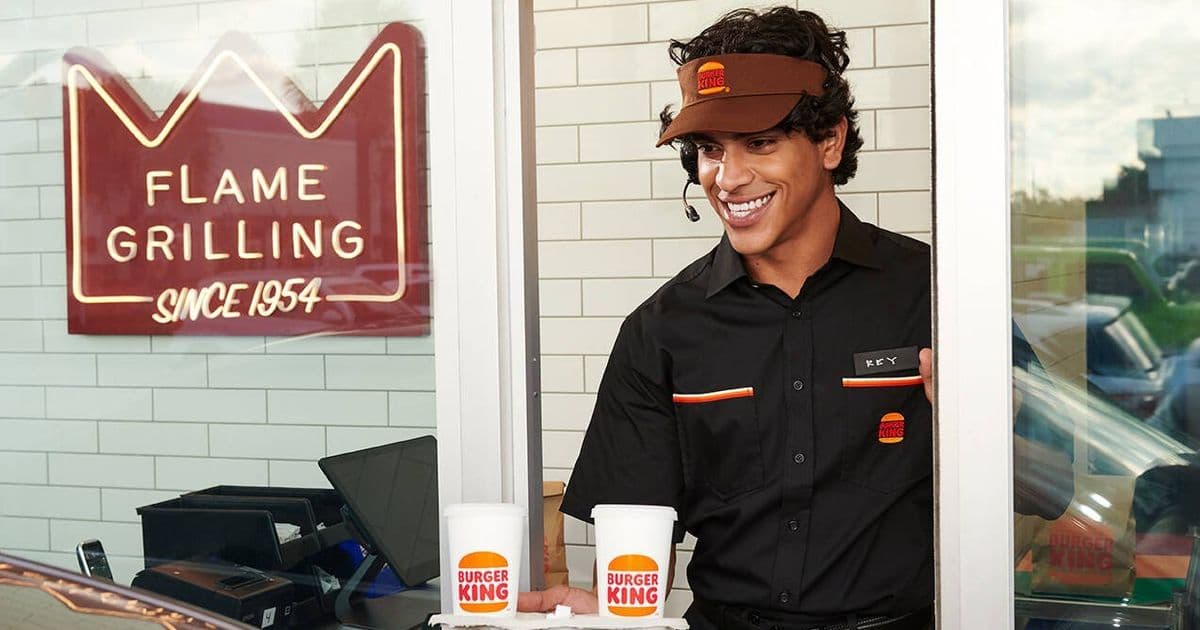
Burger King is rolling out an AI assistant called Patty that listens to employee-customer interactions to monitor 'friendliness,' sparking concerns about workplace surveillance despite company claims it's just for coaching.
Burger King is rolling out an AI assistant called Patty that listens to employee-customer interactions to monitor 'friendliness,' sparking concerns about workplace surveillance despite company claims it's just for coaching.
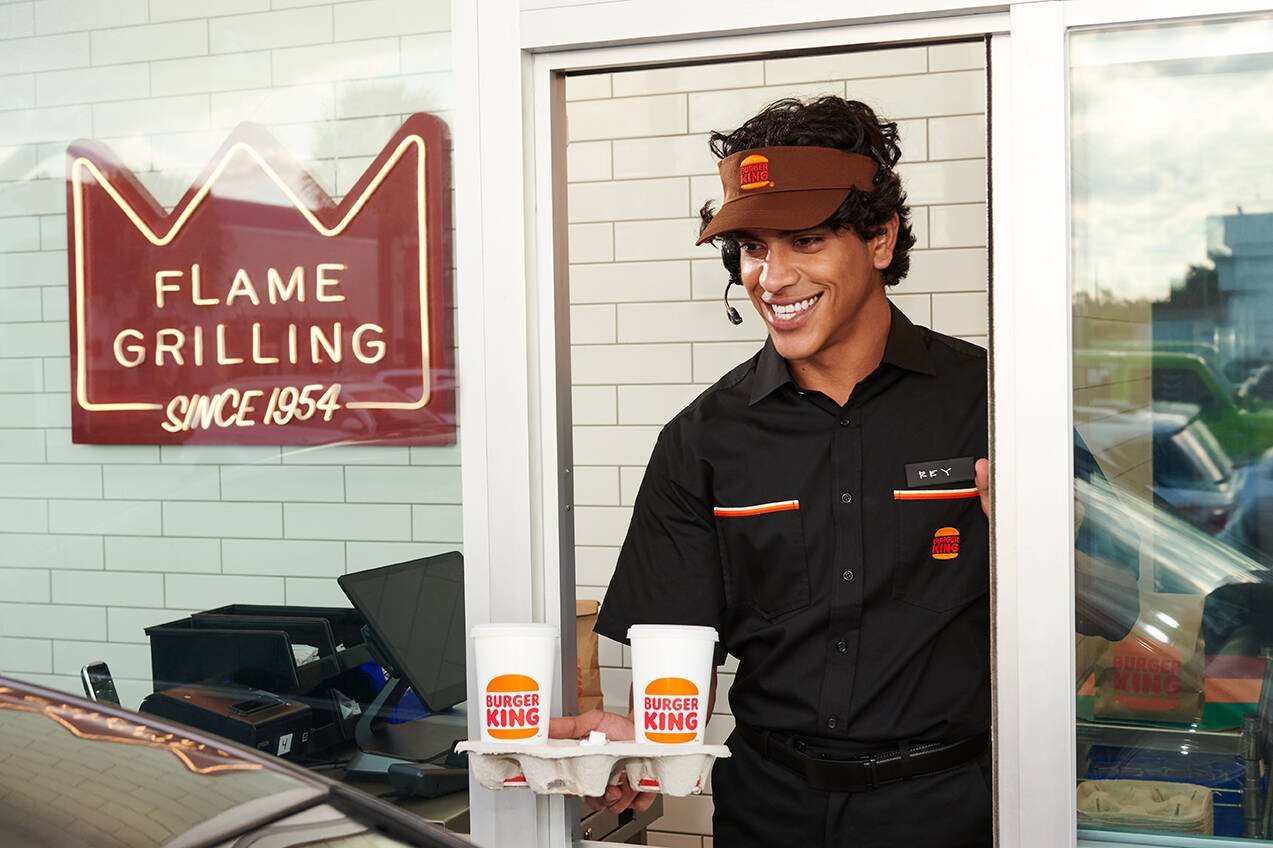
AI-Powered Employee Monitoring Hits Fast Food
Burger King has announced plans to deploy its new BK Assistant platform, including the AI assistant "Patty," across all 7,000 US locations by the end of 2026. The system, currently being tested in approximately 500 stores, represents one of the most comprehensive AI workplace monitoring implementations in the fast food industry to date.
The technology listens to employee-customer interactions and provides "friendliness scores" to managers, while also handling inventory tracking, recipe reminders, and upselling goal monitoring. During an investor event hosted by parent company Restaurant Brands International, a promotional video showed Patty briefing incoming shift managers on team performance metrics and operational data.
The Surveillance Question
Despite Burger King's insistence that Patty is "not designed to track nor evaluate employees saying specific words or phrases," the system's core functionality involves analyzing customer service interactions. The company has explored using aggregated keywords like "welcome," "please," and "thank you" as signals to help managers understand service patterns, though they maintain this isn't about "scoring individuals or enforcing scripts."
This distinction between aggregate analysis and individual monitoring may prove difficult to maintain in practice. Employees working under such systems often report feeling pressured to perform for the AI, regardless of the stated intent. The psychological impact of knowing an AI is "listening in" during every customer interaction could fundamentally alter workplace dynamics.
Industry Context: Fast Food's AI Experiments
The fast food industry has seen mixed results from AI implementations. McDonald's abandoned its drive-through AI initiative after technical difficulties and customer complaints. Taco Bell similarly scaled back its AI trial following mishaps. Starbucks has also dialed back its automation-first approach, shifting toward AI tools that assist rather than replace staff.
Burger King's strategy appears to follow the latter approach, positioning Patty as an employee-assist tool rather than customer-facing automation. However, the line between assistance and surveillance remains blurry when the AI is evaluating employee performance in real-time.
The Human Element in Hospitality
Burger King maintains that "hospitality is fundamentally human" and that the technology's role is to support teams so they can "stay present with guests." This framing attempts to position the AI as a tool that frees employees from administrative tasks rather than as a monitoring mechanism.
Yet the reality of workplace AI often diverges from corporate messaging. Employees may find themselves performing for the system, altering their natural behavior to achieve better "scores" or avoid negative feedback. The pressure to maintain artificially high friendliness metrics could lead to burnout and decreased job satisfaction, ironically undermining the very hospitality the system aims to improve.
Broader Implications for Workplace AI
Burger King's implementation reflects a growing trend of AI-powered bossware across industries. As these systems become more sophisticated, they raise important questions about worker privacy, autonomy, and the nature of human labor in an increasingly automated economy.
The fast food industry, with its high turnover rates and slim profit margins, has been particularly eager to adopt efficiency-boosting technologies. However, the human cost of such systems—in terms of employee stress, job satisfaction, and authentic customer service—remains an open question.
What Comes Next
As Burger King prepares for its nationwide rollout, the effectiveness and reception of Patty will likely determine whether other chains follow suit. The system's success or failure could influence how AI is deployed in service industries more broadly.
For now, customers might notice their local Burger King employees seeming "extra friendly"—whether out of genuine hospitality or awareness that Patty might be listening. The true measure of success will be whether the technology enhances rather than undermines the human connections that define good service.
Comments
Please log in or register to join the discussion