
After extensive daily use, Google's Pixel 10 Pro Fold reveals significant compromises in its square display utility, underwhelming Tensor G5 performance, and impractical camera implementation, failing to justify its premium price despite foldable innovations.
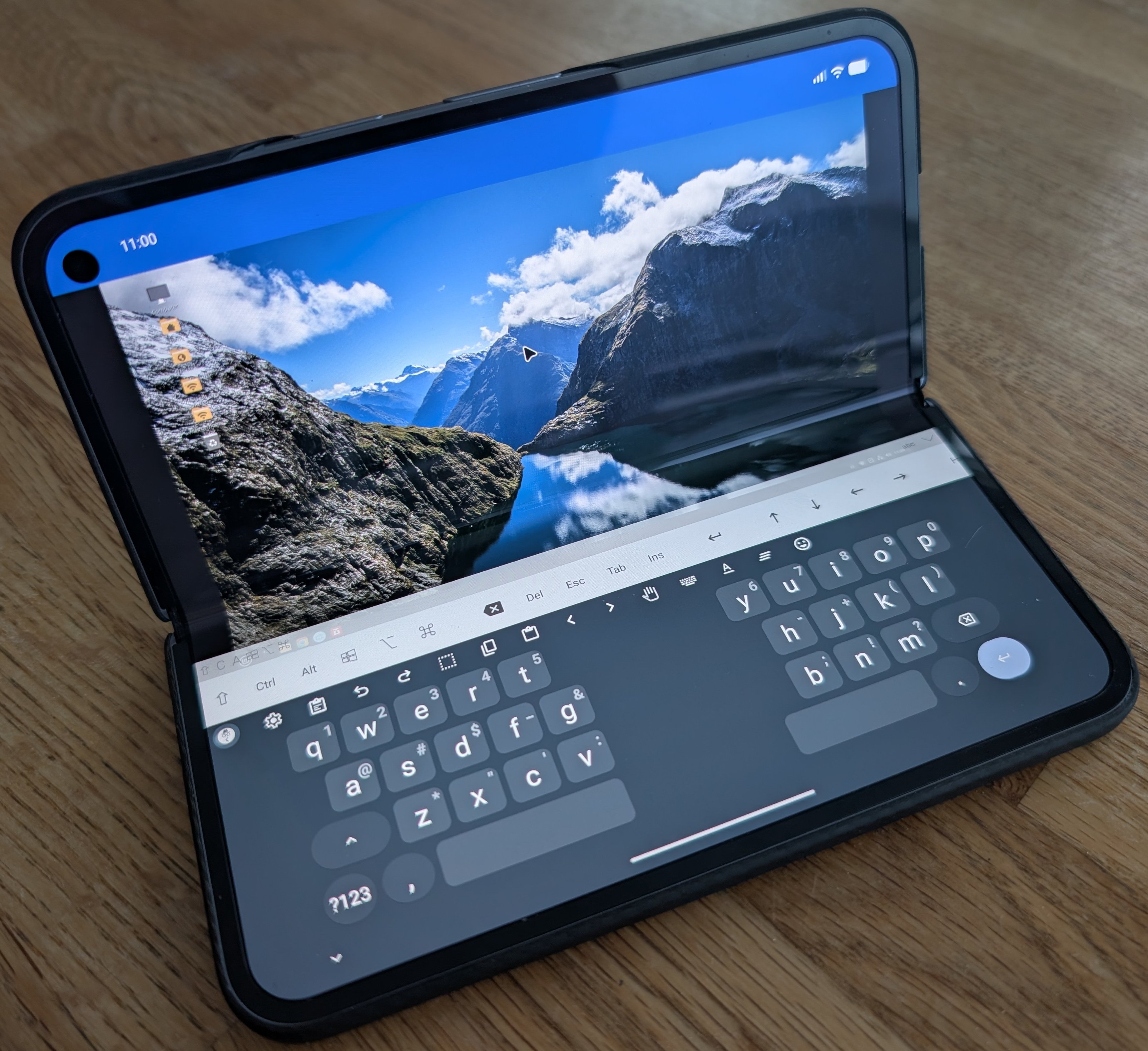
When Google announced the Pixel 10 Pro Fold with IP68 dust and water resistance, it finally addressed my primary durability concern about foldables. After three months of daily use as my primary device, however, the compromises inherent in this form factor outweigh its innovations. While foldables represent fascinating engineering, the Pixel 10 Pro Fold struggles to deliver meaningful advantages over traditional flagship phones.
The Display Dilemma
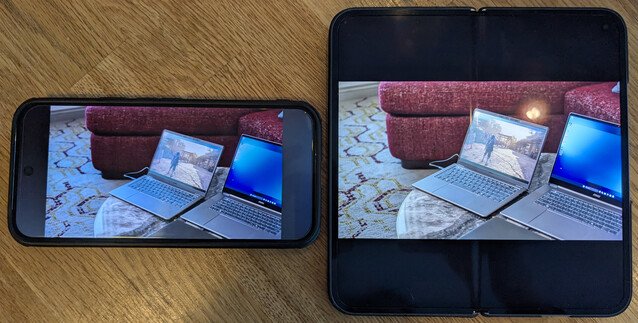
Unfolding the 8-inch internal display initially feels transformative compared to candy-bar smartphones. Yet this square aspect ratio proves fundamentally mismatched with modern media consumption. Whether streaming YouTube or Netflix, widescreen content appears barely larger than on a standard Pixel 9 Pro, negating the promised immersion.
Web browsing reveals similar limitations. While some sites adapt well to the square canvas, many leave substantial unused space alongside content. App support exacerbates the issue: outside Google's native applications, few Android developers optimize for the unique display. Multitasking via split-screen sounds appealing but proves inefficient in practice—launching two apps side-by-side takes longer than quick-switching between full-screen apps.
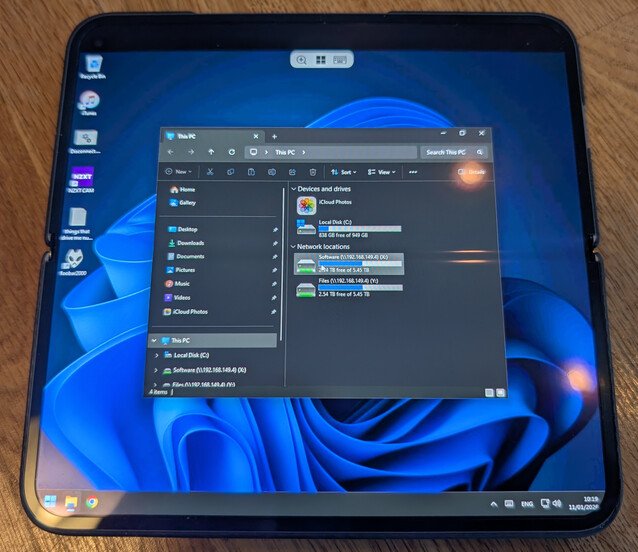
Remote administration presents one legitimate advantage. Foldables like the Pixel 10 Pro Fold provide significantly more workspace for Remote Desktop or VNC sessions. However, this benefit requires compromising your host machine's display settings to 4:3 or 5:4 aspect ratios—an impractical toggle for regular use with widescreen monitors.
Performance Shortcomings
The Tensor G5 processor handles basic tasks adequately while maintaining efficient power consumption. Push beyond light workloads, however, and significant limitations emerge. Emulation highlights these constraints—theoretically an ideal use case given the dual-screen layout.
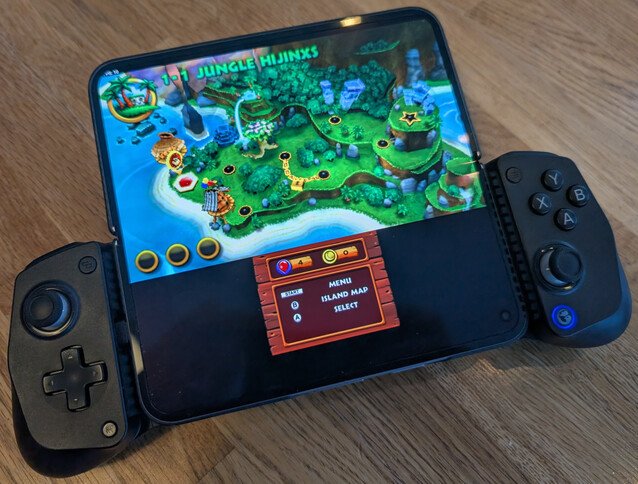
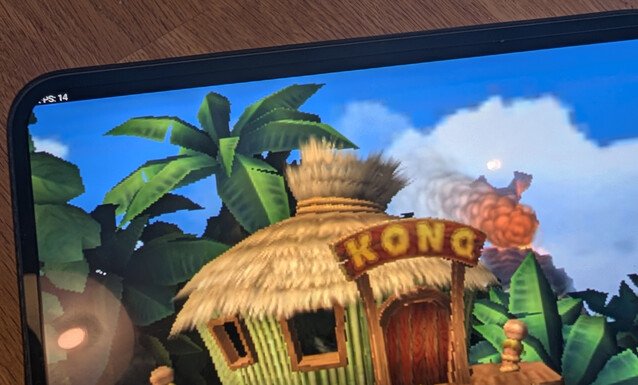
During 3DS emulation testing, the Tensor G5 struggled to maintain playable frame rates. At native resolution (400×240), lighter titles like New Super Mario Bros 2 averaged 25-30 fps with occasional stutters. More demanding games proved unviable: Donkey Kong Country Returns 3D peaked at 15 fps at 1x resolution, making gameplay impractical. This performance ceiling eliminates any advantage from the foldable's screen layout for emulation enthusiasts.
Camera Compromises
Despite sharing the "Pro" branding, the Pixel 10 Pro Fold's camera hardware differs from non-folding Pixel 10 models. Surprisingly, daytime photography shows minimal quality differences, including the 10x zoom capabilities that remained comparable. The real limitation emerges with the foldable's signature feature: using rear cameras for selfies.
Unfolding the device to access premium sensors requires an awkward "devil horns" grip—cradling the bottom corners while avoiding accidental touches. This grip feels precarious for a $1,800 device and takes noticeable time to stabilize. While enabling wider selfie perspectives, the ergonomic trade-off makes spontaneous photos cumbersome. Landscape orientation shots with your right hand become nearly impossible without contortionist thumb maneuvers.
Value Proposition
Foldables inherently demand compromises, but the Pixel 10 Pro Fold's shortcomings overshadow its innovations. The square display conflicts with dominant media formats and app ecosystems, the Tensor G5 throttles performance ceilings, and camera innovations introduce practical usability issues. At nearly double the price of conventional flagships, these limitations become magnified. Unless your workflow specifically benefits from the square aspect ratio—and you accept significant performance trade-offs—the Pixel 10 Pro Fold struggles to justify its premium. For most users, traditional flagship phones deliver superior overall utility without these fundamental compromises.
Comments
Please log in or register to join the discussion