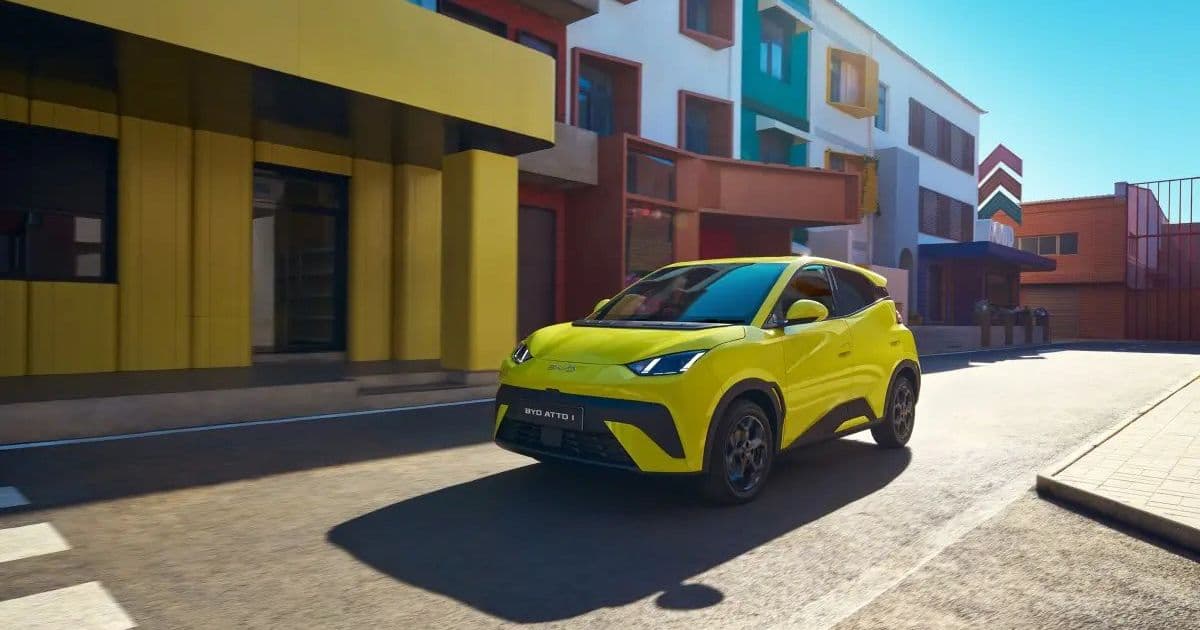
The Chinese automaker appears ready to democratize advanced driver assistance features by adding expensive sensors to budget models.
The race to put advanced driver assistance in affordable cars just took another sharp turn. According to new reports, BYD is preparing to equip its lowest-cost electric vehicles with LiDAR sensors—a technology previously reserved for premium models.
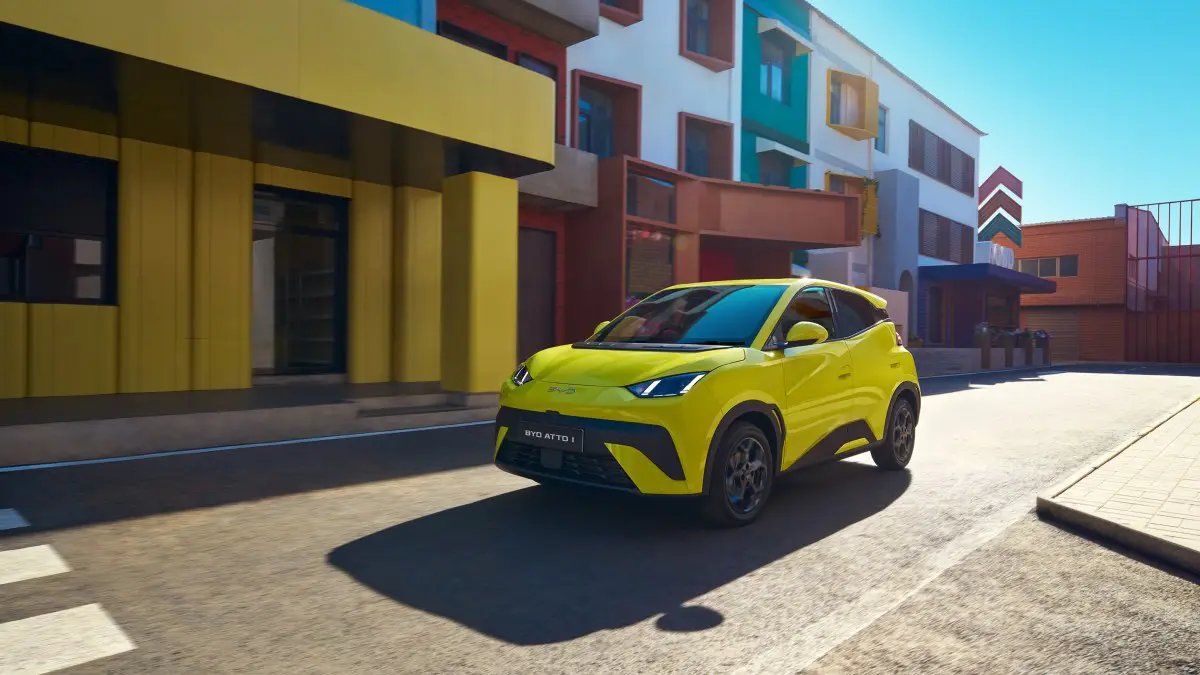
The Seagull (sold as the Atto 1 in Australia) and Dolphin hatchback are reportedly slated to receive roof-mounted LiDAR sensors as part of an upgraded ADAS package. This would bring the total sensor count to 12 cameras, 5 millimeter-wave radars, 12 ultrasonic sensors, and the new LiDAR unit across both models.
The Price Threshold
Historically, LiDAR-equipped vehicles started around $A25,000 in international markets. BYD's move to include this technology in cars priced below that threshold represents a significant shift in accessibility. The Seagull has already sold over one million units in under three years, suggesting the potential for massive scale if this technology rollout succeeds.
The addition of LiDAR could enable Navigate on Autopilot (NOA) functionality for both highway and city driving. This feature allows vehicles to handle lane changes, merges, and complex urban navigation with minimal driver input. BYD's God's Eye autonomous suite launched on these models last year, but the LiDAR upgrade would substantially enhance capabilities.
Technical Implementation
LiDAR (Light Detection and Ranging) works by emitting laser pulses and measuring the return signals to create detailed 3D maps of the surrounding environment. Unlike cameras, which can struggle with poor lighting or glare, LiDAR provides precise depth information regardless of lighting conditions. The roof-mounted placement suggests these will be rotating or solid-state units with unobstructed views forward and to the sides.
For context, most affordable EVs currently rely on camera-based systems supplemented by radar. The addition of LiDAR significantly improves object detection range and accuracy, particularly for smaller obstacles like pedestrians, cyclists, and road debris. However, it also adds cost and complexity to the vehicle's sensor suite.
Global Rollout Timeline
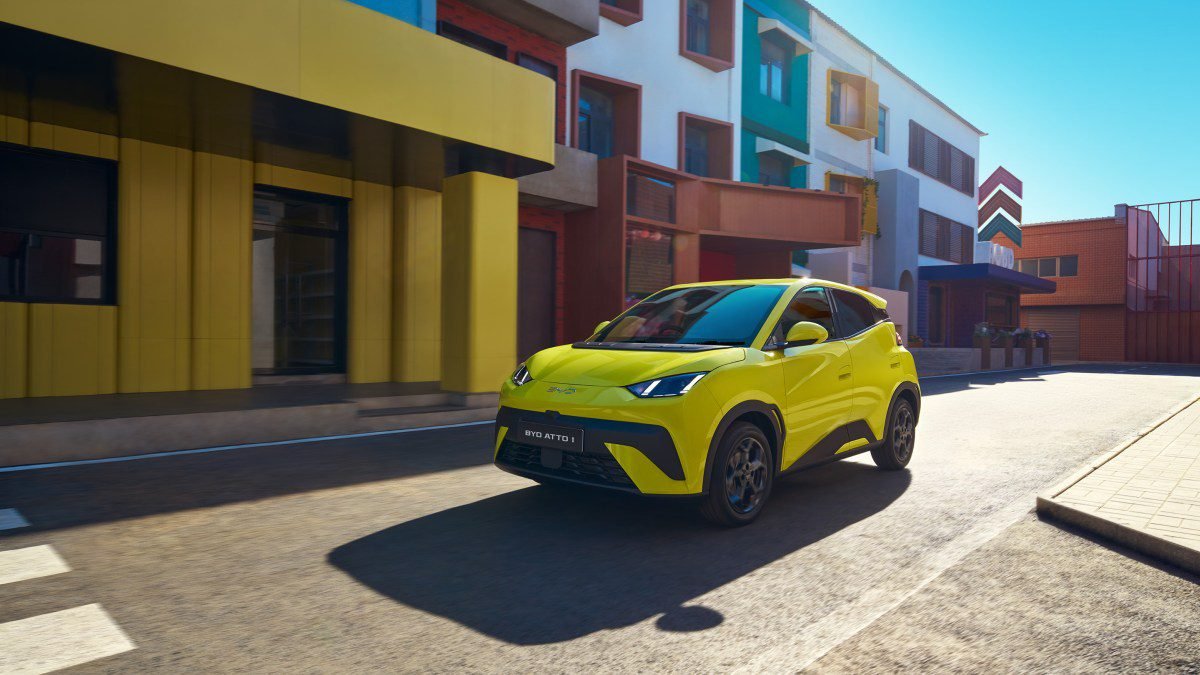
The Seagull's international expansion means this technology could reach dozens of countries within the next 12 months. In Australia, BYD has already confirmed Atto 1 pre-orders opened in November 2024, with pricing under $24,000 for the base Essentials variant (30 kWh battery, ~220 km WLTP range) and the Premium trim (43.2 kWh battery, ~310 km WLTP range).
Currently, no BYD models available in Australia feature LiDAR sensors. The local market's ADAS capabilities lag behind Chinese specifications—a common pattern as manufacturers prioritize their home market for cutting-edge features. The reported LiDAR upgrade suggests BYD is closing that gap.
Counter-Perspectives and Challenges
Not everyone sees this as an unqualified win. Adding LiDAR sensors increases manufacturing costs, which could affect final pricing or profit margins. There's also the question of whether budget car buyers actually need or will use these advanced features, or if they represent over-engineering for the segment.
Maintenance and repair costs present another concern. LiDAR units are expensive to replace if damaged in accidents or collisions. Insurance premiums might rise accordingly. Some critics argue that camera-plus-radar systems have proven adequate for most use cases, and the jump to LiDAR may be premature for budget vehicles.
Additionally, regulatory frameworks for autonomous driving features vary significantly by country. Even with LiDAR hardware, the software functionality may remain limited in many markets due to legal restrictions. This creates a scenario where buyers pay for hardware they cannot fully utilize.

Market Impact
The move signals BYD's confidence in bringing down LiDAR costs through scale manufacturing. If successful, it pressures competitors like Tesla, which has famously avoided LiDAR in favor of camera-only approaches, and other budget EV makers to match or exceed these capabilities.
For consumers, this represents a democratization of technology that could make advanced safety features standard rather than premium options. The sheer volume of Seagull/Dolphin production means sensor suppliers will need to scale rapidly, potentially driving down costs across the entire automotive LiDAR market.
As one of the world's largest EV manufacturers continues its global expansion, the decision to put expensive sensors in cheap cars could reshape expectations for what constitutes adequate driver assistance at every price point. The next year will reveal whether this bet on LiDAR at scale pays off.
Riz Akhtar is the founder of carloop, specializing in Australian EV data and trends. A mechanical engineer by training, he has focused on transport infrastructure and now works to reduce transport emissions through better EV adoption.
Comments
Please log in or register to join the discussion