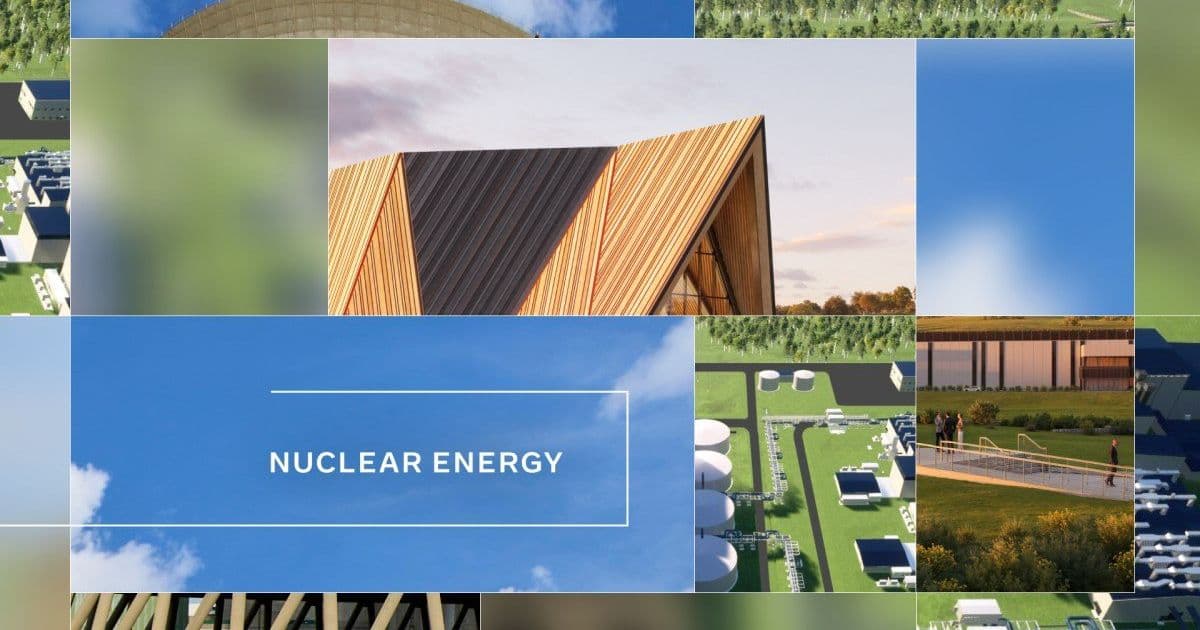
Meta is committing to three nuclear energy partnerships totaling up to 6.6 GW of capacity by 2035, representing one of the largest corporate nuclear energy purchases in American history. The deals span next-generation reactor development with Oklo and TerraPower, plus capacity expansions at existing Vistra plants, creating a hybrid model for funding both new and existing nuclear capacity to power AI data centers.
Meta's announcement today signals a fundamental shift in how hyperscale technology companies approach energy procurement. Rather than simply purchasing renewable energy credits or funding wind and solar farms, the company is making direct, long-term commitments to nuclear energy projects across the development spectrum—from experimental reactor designs to aging plants needing life-extension support.
The scale is substantial: up to 6.6 GW of combined new and existing clean energy capacity by 2035. This represents Meta's largest nuclear energy commitment to date and positions the company as one of the most significant corporate nuclear energy purchasers in American history. The announcement follows a competitive request for proposals process that Meta conducted to identify partners capable of delivering the firm, baseload power its AI infrastructure requires.
The Three-Pronged Strategy
Meta's approach breaks down into distinct categories that reflect different stages of nuclear energy development and deployment:
Next-Generation Reactor Development (Oklo and TerraPower): These partnerships focus on advancing advanced nuclear technologies that could come online between 2030 and 2035. The agreements provide crucial early-stage funding and offtake commitments that these companies need to secure additional capital and move through regulatory processes.
Existing Plant Life Extension (Vistra): Meta is providing financial support for three operating nuclear plants—Perry and Davis-Besse in Ohio, and Beaver Valley in Pennsylvania. This includes 20-year agreements to purchase power and fund capacity uprates that will add 433 MW of additional generation.
Direct Grid Integration: All projects will feed into the PJM Interconnection grid region, which serves parts of 13 states and represents the largest wholesale electricity market in the U.S. This ensures the power serves broader grid needs, not just Meta's direct operations.
TerraPower: The Natrium Deployment
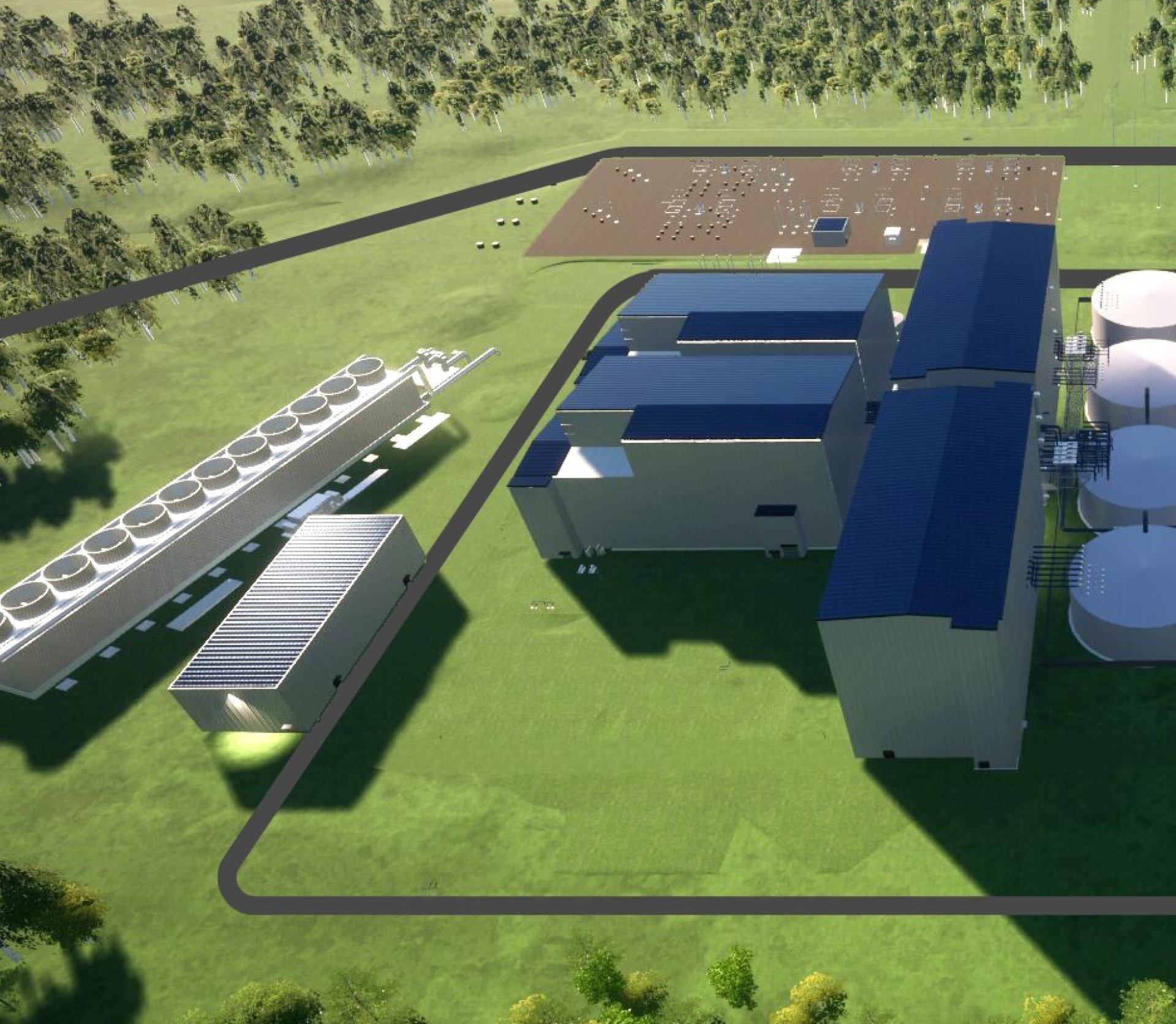
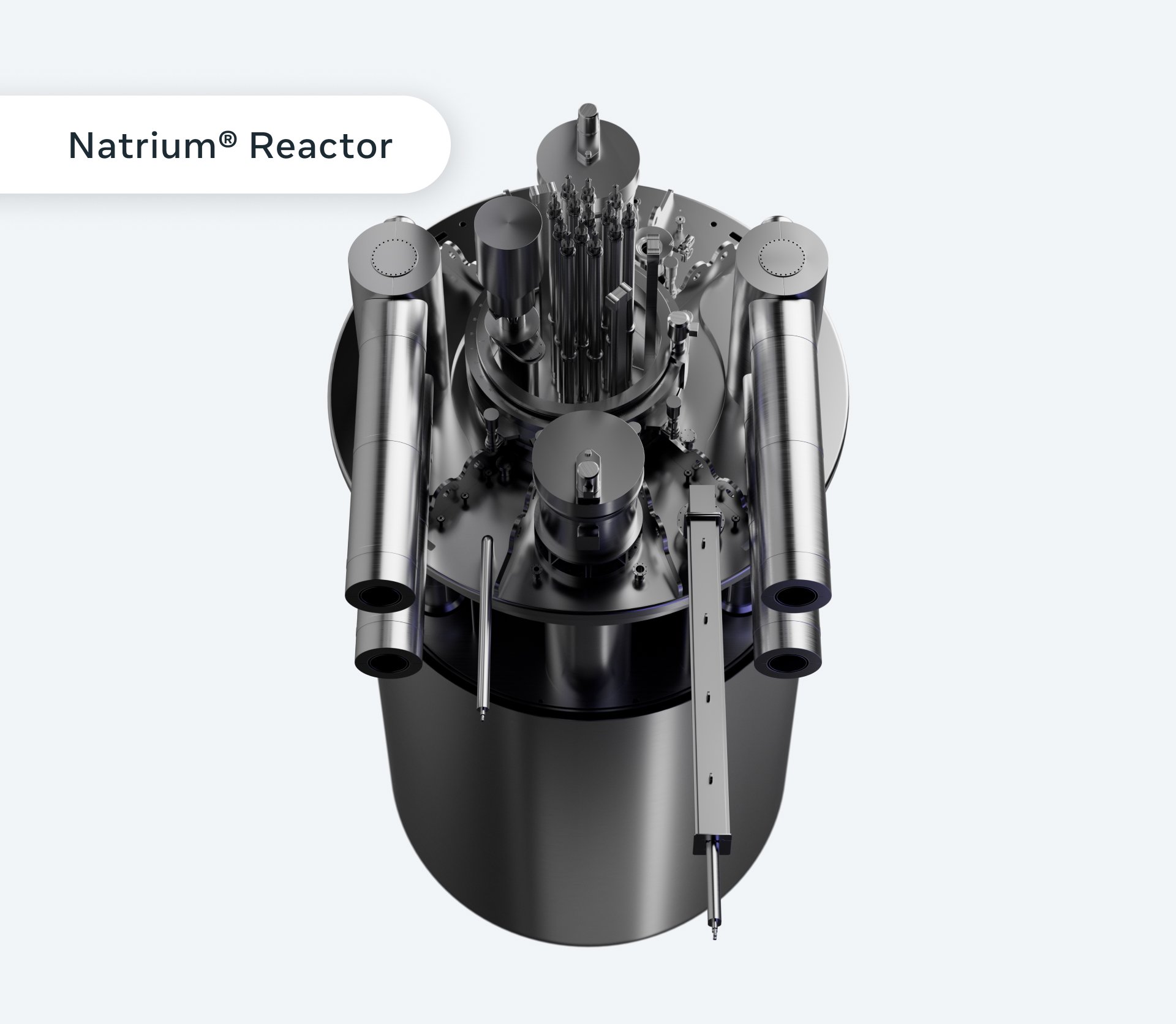
Meta's agreement with TerraPower represents the company's largest advanced nuclear technology commitment. The deal supports development of two Natrium reactor units capable of generating 690 MW of firm power, with potential delivery as early as 2032. Additionally, Meta secured rights to energy from up to six more Natrium units, totaling 2.1 GW, targeted for 2035 delivery.
The Natrium design is notable for its integrated energy storage system—a 100 MW molten salt thermal storage system that can provide flexible power output. This allows the reactor to operate at constant baseload while the storage system handles grid variability, effectively acting like a nuclear-powered battery.
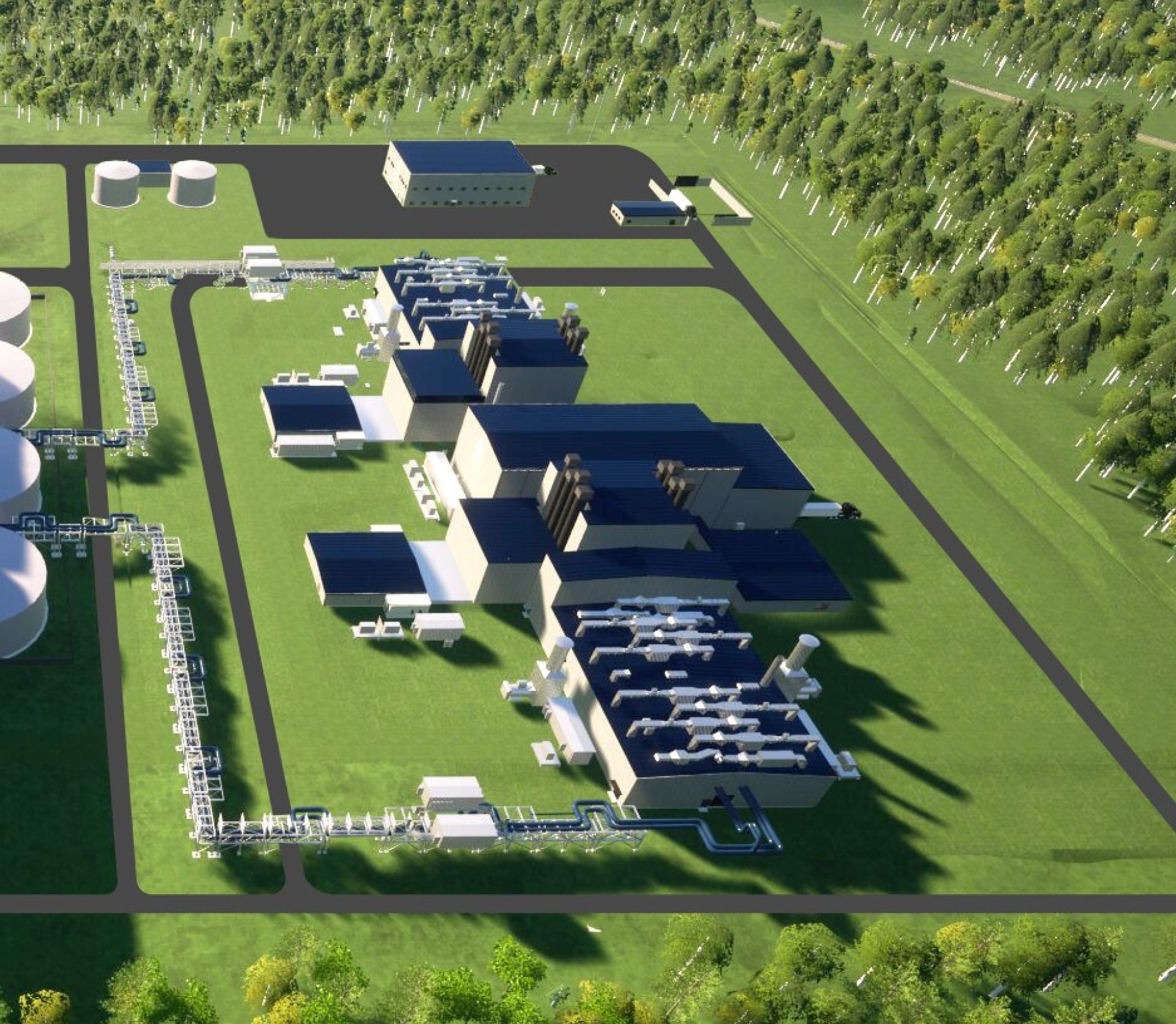
TerraPower president Chris Levesque noted that the company has completed design work, established supply chains, and cleared key regulatory milestones for its first Natrium plant. The Meta agreement provides the business certainty needed to scale production and deploy multiple units.
Oklo: Ohio's Advanced Nuclear Campus
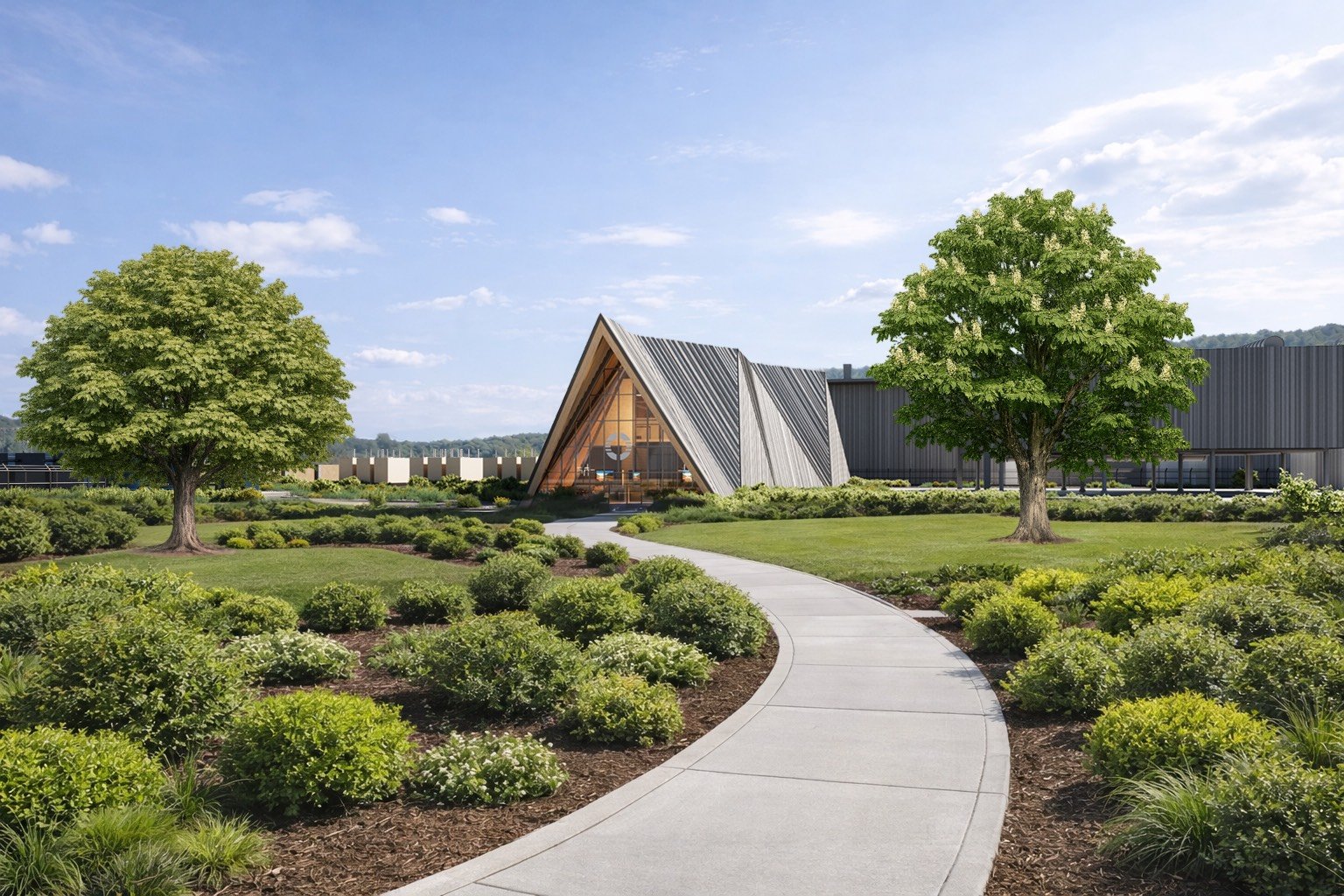
The Oklo partnership focuses on developing an advanced nuclear technology campus in Pike County, Ohio, potentially delivering up to 1.2 GW of clean baseload power by 2030. The agreement supports construction of multiple Oklo Aurora Powerhouse reactors, which are based on fast-reactor designs capable of using both fresh and repurposed nuclear fuel.
Oklo's approach emphasizes inherent safety systems—designs that rely on physics rather than active controls to maintain safe operation. The company's CEO, Jacob DeWitte, described Meta's funding commitment as a "major step in moving advanced nuclear forward," validating a vision Oklo first articulated two years ago for building a new generation of powerhouses in Ohio.
The project is expected to create thousands of construction and long-term operations jobs while generating new local and state tax revenue through major energy infrastructure investments.
Vistra: Extending the Life of Existing Assets
Meta's Vistra agreements demonstrate a pragmatic approach to clean energy: supporting existing nuclear plants that might otherwise face premature retirement due to economic pressures. The deals cover:
- Perry Nuclear Power Plant (Ohio)
- Davis-Besse Nuclear Power Station (Ohio)
- Beaver Valley Power Station (Pennsylvania)
Through 20-year purchase agreements and funding for capacity uprates, Meta ensures these facilities can continue operating while expanding their output. The uprate projects will add 433 MW of new capacity across the three plants, expected online in the early 2030s.
Vistra CEO Jim Burke emphasized that partnerships like this are "key in moving America forward in both AI and energy leadership." The agreements protect existing jobs while creating new ones, and continue investment in the communities where plants are located.
The AI Infrastructure Connection
These nuclear projects will power Meta's data center operations, including its Prometheus supercluster in New Albany, Ohio. The company has been transparent that its industry-leading data centers require increasing amounts of reliable electricity to drive AI innovation and deliver "personal superintelligence for everyone."
The choice of nuclear energy is strategic. Unlike intermittent renewables, nuclear provides firm, dispatchable power that operates continuously. For AI training workloads that run 24/7 and require massive computational resources, this reliability is essential. The baseload nature of nuclear also means it can support the grid's broader needs, not just Meta's specific operations.
The Corporate Energy Procurement Model
Meta's approach represents a new model for corporate energy procurement in the AI era:
- Direct Development Funding: Rather than simple power purchase agreements, Meta is providing capital that enables nuclear projects to move forward
- Portfolio Diversification: Supporting both new technologies and existing infrastructure
- Grid Integration: Ensuring projects benefit the broader electricity system
- Long-Term Commitments: 20-30 year horizons that provide business certainty
The company emphasizes that it pays the full costs for energy used by its data centers, so consumers don't bear these expenses. Additionally, through its energy agreements, Meta supports the broader grid, potentially improving reliability and price stability for all customers.
Context and Implications
This announcement comes as the nuclear energy industry experiences renewed interest after decades of stagnation. Advanced reactor designs promise improved safety, reduced waste, and greater flexibility, while existing plants provide proven, zero-carbon baseload power. However, both face significant challenges: advanced reactors need regulatory approval and first-of-a-kind deployment support, while existing plants struggle with economics in competitive markets.
Meta's hybrid approach—supporting both categories—could provide a template for other large energy consumers. By creating revenue certainty for both new and existing nuclear projects, the company is effectively de-risking investments that might not otherwise attract sufficient private capital.
The 6.6 GW commitment also represents a substantial portion of the U.S. nuclear energy landscape. For context, the entire U.S. nuclear fleet generates approximately 100 GW. Meta's planned support could represent 6-7% of current nuclear capacity, spread across multiple projects and states.
Timeline and Delivery
The projects follow an aggressive timeline:
- 2030: Oklo campus potentially online (1.2 GW)
- 2032: First TerraPower Natrium units (690 MW)
- Early 2030s: Vistra uprate capacity (433 MW)
- 2035: Additional TerraPower units (2.1 GW) and full 6.6 GW target
This staggered approach provides multiple delivery points while the company's AI infrastructure needs continue growing.
Broader Energy Leadership
Meta's nuclear commitments build on a decade of clean energy investments that have added nearly 28 GW of new energy to grids across 27 states. The company has worked with innovative partners to back clean energy projects that support the grid, and today's announcements expand that portfolio into nuclear energy specifically.
The move also aligns with broader American energy policy goals. The Biden administration has set targets for deploying advanced nuclear reactors, and federal programs like the Advanced Reactor Demonstration Program are providing funding and support. Corporate commitments like Meta's provide the demand signal that helps justify continued public and private investment in the sector.
Looking Forward
Meta's nuclear energy strategy reflects a maturing understanding of the energy requirements for AI infrastructure at scale. As computational demands grow exponentially, the energy systems powering data centers must provide not just clean electricity, but reliable, firm power that can support continuous operations.
The partnerships announced today will be closely watched by other technology companies facing similar energy challenges. If successful, this model could accelerate nuclear energy deployment across the industry, providing both the demand certainty and capital support that nuclear projects need to move from concept to reality.
For Meta, the investment represents a long-term bet on American nuclear technology and a commitment to maintaining U.S. leadership in both AI innovation and clean energy infrastructure. As the company continues building toward its vision of personal superintelligence, it's ensuring the power grid can support that ambition—through partnerships that create jobs, support communities, and advance clean energy technology for the broader economy.
The nuclear RFP process that led to these agreements suggests this won't be Meta's last energy announcement. The company has established a framework for identifying and supporting projects that meet its needs while contributing to grid reliability and American energy leadership. In an era where AI innovation and energy infrastructure are increasingly intertwined, Meta's nuclear bet could prove as significant for the energy sector as it is for the technology industry.
Comments
Please log in or register to join the discussion