
CachyOS delivers a custom Arch Linux experience with a BORE Scheduler-optimized kernel and aggressive compiler flags, targeting power users demanding blistering speeds and stability.
In the competitive landscape of Linux distributions, CachyOS emerges as a contender built for one primary objective: speed. An Arch Linux-based distribution, CachyOS distinguishes itself not through radical UI redesigns but through deep, kernel-level optimizations and aggressive compiler settings aimed at squeezing maximum performance from modern hardware. This technical approach positions CachyOS as an intriguing choice for developers, system administrators, and enthusiasts where responsiveness and computational efficiency are paramount.
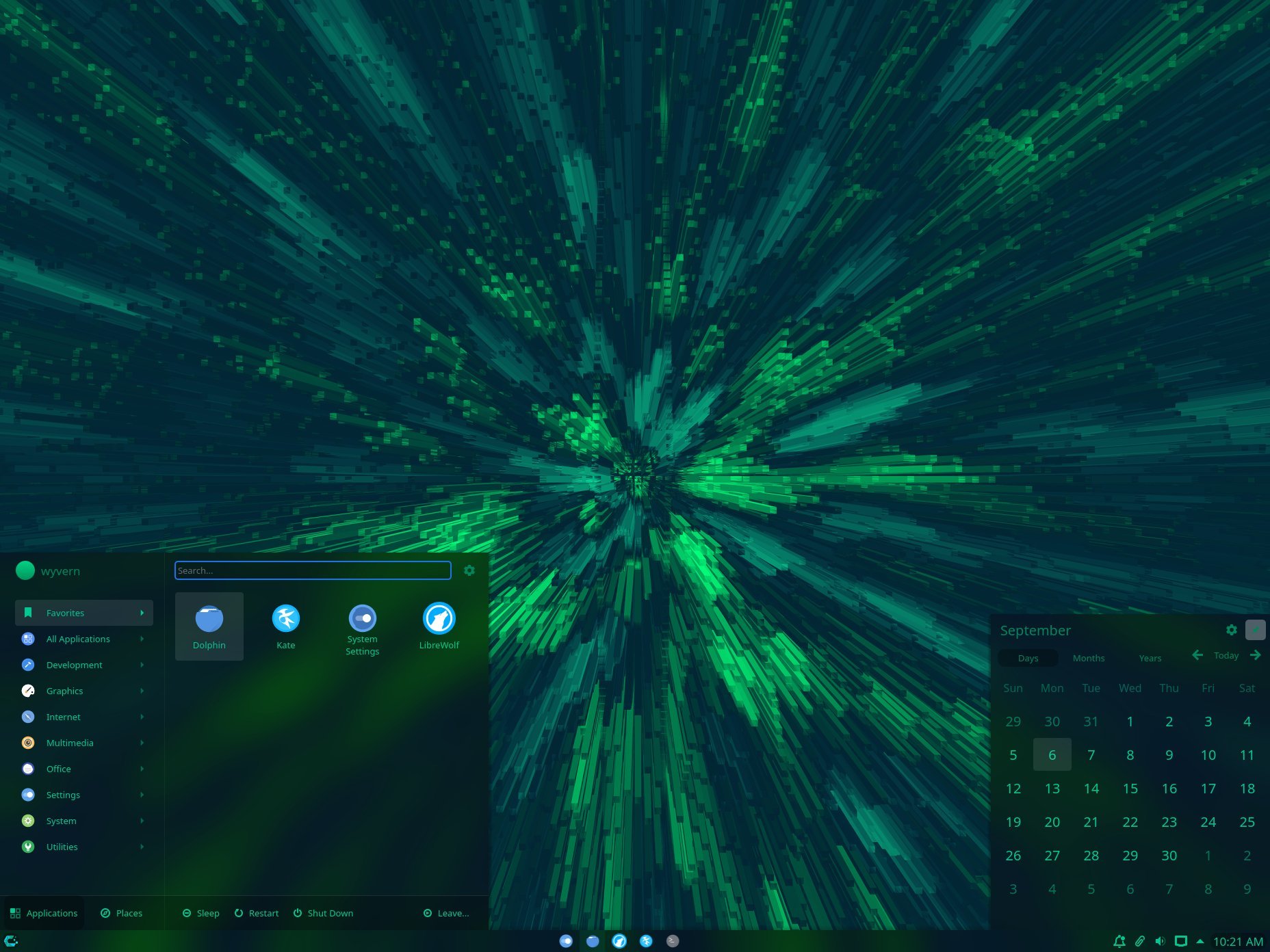
The cornerstone of CachyOS's performance claims lies in its custom linux-cachyos kernel. This isn't merely a rebranded Arch kernel; it integrates the BORE Scheduler (Burst-Oriented Response Enhancer), a relatively new Linux scheduler designed specifically to improve system interactivity and responsiveness, particularly for latency-sensitive workloads. While the standard Linux kernel offers multiple scheduler options (like CFS), CachyOS provides users with a curated selection including EEVDF (Earliest Eligible Virtual Deadline First), sched-ext, ECHO, and Real-Time (RT) schedulers. This granular control allows users to tailor kernel behavior to their specific workload, whether it's compiling code, running virtual machines, or handling high-frequency trading simulations. The kernel itself is compiled with modern instruction sets—x86-64-v3, x86-64-v4, and Zen4—along with Link-Time Optimization (LTO) to leverage the full potential of contemporary CPUs.

Beyond the kernel, CachyOS aggressively optimizes its software packages. The distribution compiles core packages using the aforementioned x86-64-v3 and v4 instruction sets, ensuring binaries are optimized for current and next-generation processors. This is complemented by Profile-Guided Optimization (PGO) and Binary Optimization and Layout Tool (BOLT) applied to critical packages. PGO uses runtime profiling data to optimize code paths, while BOLT optimizes binary layout for better instruction cache utilization. The result is a system where applications, from system utilities to complex development tools, are built to run faster out-of-the-box compared to generic distributions. This focus on performance over convenience aligns with Arch Linux's philosophy but takes it several steps further in the optimization direction.
Customization remains a key Arch tenet, and CachyOS offers extensive choice in user interface. The online installation process provides a wide array of desktop environments, window managers, and Wayland compositors, including KDE Plasma, GNOME, XFCE, i3, Wayfire, Hyprland, Sway, Niri, and many others. This caters to diverse workflows, from the minimalism of i3 or Sway to the feature-rich KDE Plasma. Installation itself offers two paths: a user-friendly GUI installer based on Calamares for newcomers, and a streamlined CLI installer for experienced users seeking maximum control. This dual approach ensures accessibility without sacrificing the power and configurability expected by the target audience.
For developers and engineers, CachyOS represents a compelling platform. The combination of a highly responsive kernel, aggressively optimized core packages, and the flexibility of Arch's rolling-release model creates an environment well-suited for performance-critical tasks. The ability to select and configure schedulers, combined with modern CPU instruction set optimizations, directly addresses the demands of compiling large codebases, running complex simulations, or managing high-throughput network services. While the distribution requires a higher level of technical engagement than user-friendly options like Ubuntu or Fedora, the potential payoff in raw performance and system responsiveness is significant for those willing to invest the time. CachyOS stands as a testament to the ongoing pursuit of peak performance within the Linux ecosystem, demonstrating that speed is often achieved not through bigger features, but through deeper, more surgical optimizations.
Comments
Please log in or register to join the discussion