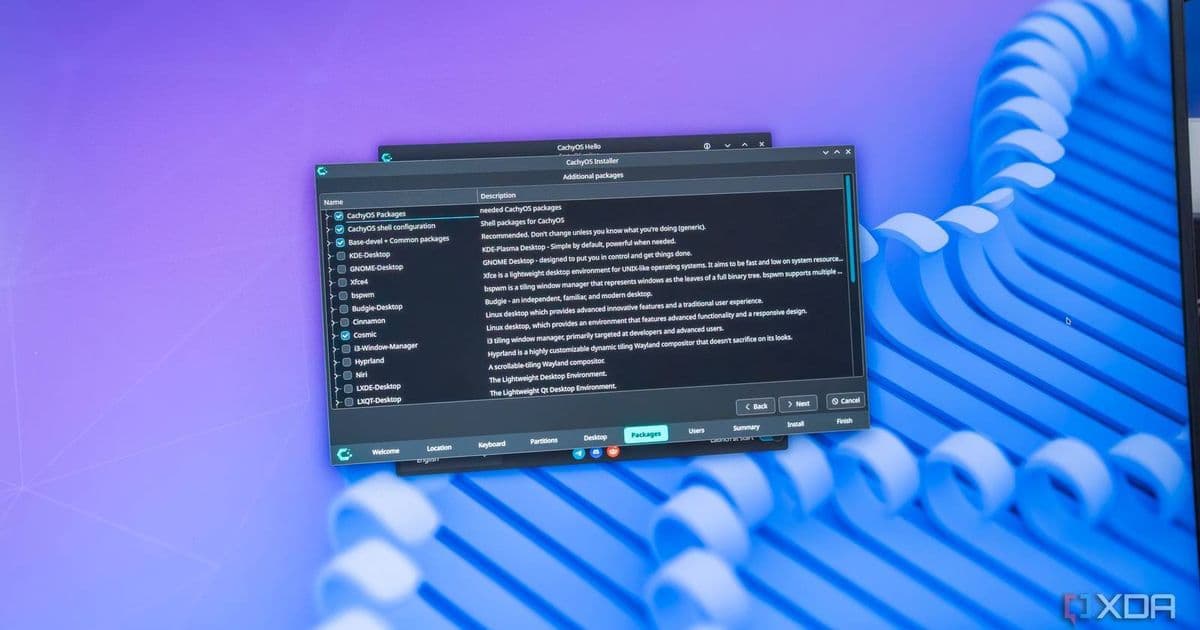
CachyOS becomes one of the first distributions to ship Linux 7.0, adding Intel FRED defaults and improved NTFS support for better performance and dual-boot compatibility.
The Linux kernel has reached version 7.0, and CachyOS is among the first distributions to ship it to users. While the version bump doesn't signal a revolutionary change in the kernel itself—Linus Torvalds simply decided that 6.19 was "a number too high" and reset the counter—CachyOS has added some interesting tweaks that make this release particularly noteworthy for performance enthusiasts.
What's New in Linux 7.0 on CachyOS
CachyOS has managed to incorporate several enhancements that bridge the gap between Linux 7.0 and the upcoming 7.1 release. The most significant addition for Intel users is the default enabling of Intel FRED (Fast Run-time Encryption and Decryption) for Intel Core Ultra Series 3 processors. This feature, which was slated for Linux 7.1, provides hardware-accelerated encryption and decryption capabilities that can boost overall system performance, particularly for workloads that involve frequent data encryption operations.
Another notable improvement is the inclusion of a new NTFS driver. This update addresses one of the longstanding pain points for Linux users who dual-boot with Windows: file system compatibility and transfer speeds between the two operating systems. The enhanced NTFS driver promises to make data transfers between Linux and Windows partitions faster and more reliable, potentially reducing the friction that has historically made dual-booting a less-than-ideal solution for many users.
Why CachyOS Matters for Performance
CachyOS has positioned itself as a distribution that prioritizes performance, making it an attractive option for gamers and power users who want to extract maximum performance from their hardware. The distribution's focus on optimization and cutting-edge kernel features aligns well with the needs of users who demand more from their systems than what standard distributions typically offer.
The decision to enable Intel FRED by default demonstrates CachyOS's commitment to leveraging the latest hardware capabilities. For users with compatible Intel processors, this could translate to noticeable performance improvements in everyday tasks and specialized workloads alike.
The Broader Context of Linux 7.0
While the version number change might seem significant, it's important to understand that Linux 7.0 represents a continuation of the kernel's evolution rather than a radical departure. The numbering change was more about Linus Torvalds's preference for round numbers than about introducing groundbreaking new features.
However, the timing of CachyOS's release is strategic. By shipping Linux 7.0 early and incorporating some 7.1 enhancements, CachyOS provides users with access to the latest kernel improvements before they become widely available in other distributions. This early adoption approach is part of what makes CachyOS appealing to enthusiasts who want to stay at the forefront of Linux development.
Implications for Dual-Boot Users
The improved NTFS driver is particularly significant in the context of changing attitudes toward dual-booting. Recent developments in virtualization and compatibility layers have made running Windows applications within Linux environments increasingly viable. The enhanced file system support further reduces the friction of maintaining a dual-boot setup, potentially making it a more attractive option for users who need occasional access to Windows software while preferring Linux for their primary computing environment.
Getting Started with CachyOS and Linux 7.0
For users interested in experiencing Linux 7.0 with these performance enhancements, CachyOS provides one of the most accessible paths. The distribution's focus on performance optimization means that users can benefit from these kernel improvements without needing to manually configure or compile their own kernel with the latest features.
The combination of Linux 7.0, Intel FRED support, and improved NTFS compatibility makes CachyOS a compelling choice for users who want a high-performance Linux experience with excellent hardware support and cross-platform compatibility. As more distributions begin to ship Linux 7.0, CachyOS's early adoption and additional tweaks may give it a competitive edge in the performance-focused Linux distribution space.
Whether you're a gamer looking to maximize frame rates, a developer working with encrypted data, or simply someone who values a responsive and efficient computing experience, CachyOS's Linux 7.0 release offers a glimpse into the future of optimized Linux distributions.
Comments
Please log in or register to join the discussion