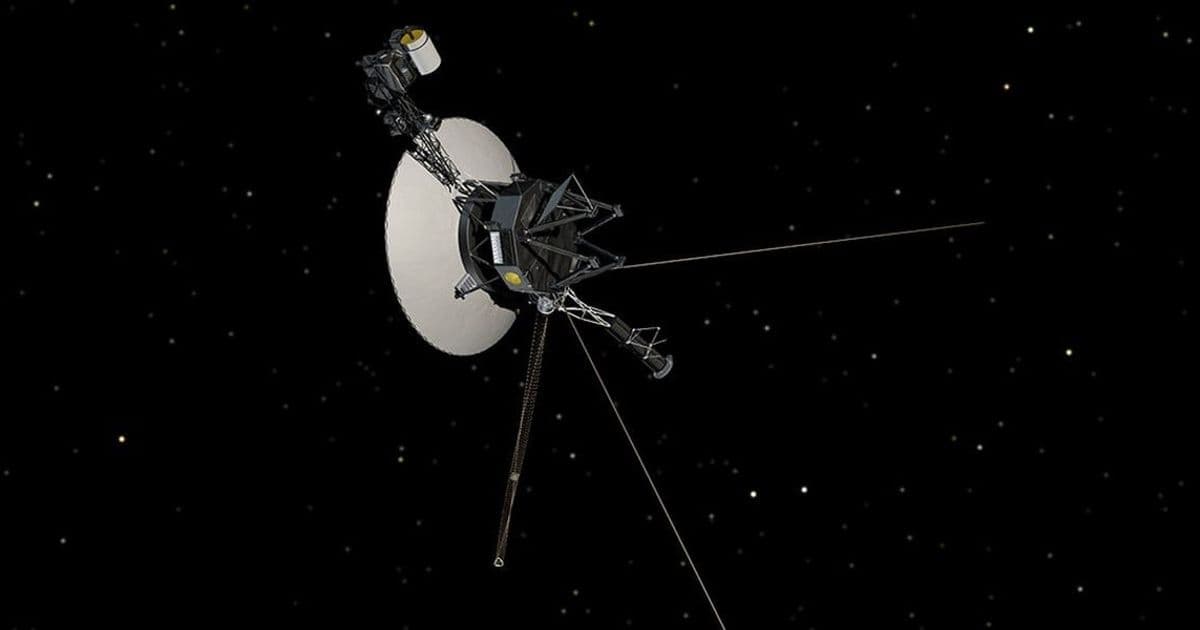
NASA engineers are developing an ambitious power-saving strategy called 'The Big Bang' to keep the Voyager spacecraft operational beyond their 50-year lifespans, following a recent power glitch on Voyager 1 that forced the shutdown of one of its remaining science instruments.
NASA is developing an ambitious power-saving strategy called "The Big Bang" to extend the operational lives of the Voyager spacecraft, which have been exploring interstellar space for nearly five decades. The plan comes after a recent power glitch on Voyager 1 that forced engineers to shut down one of the probe's remaining science instruments.
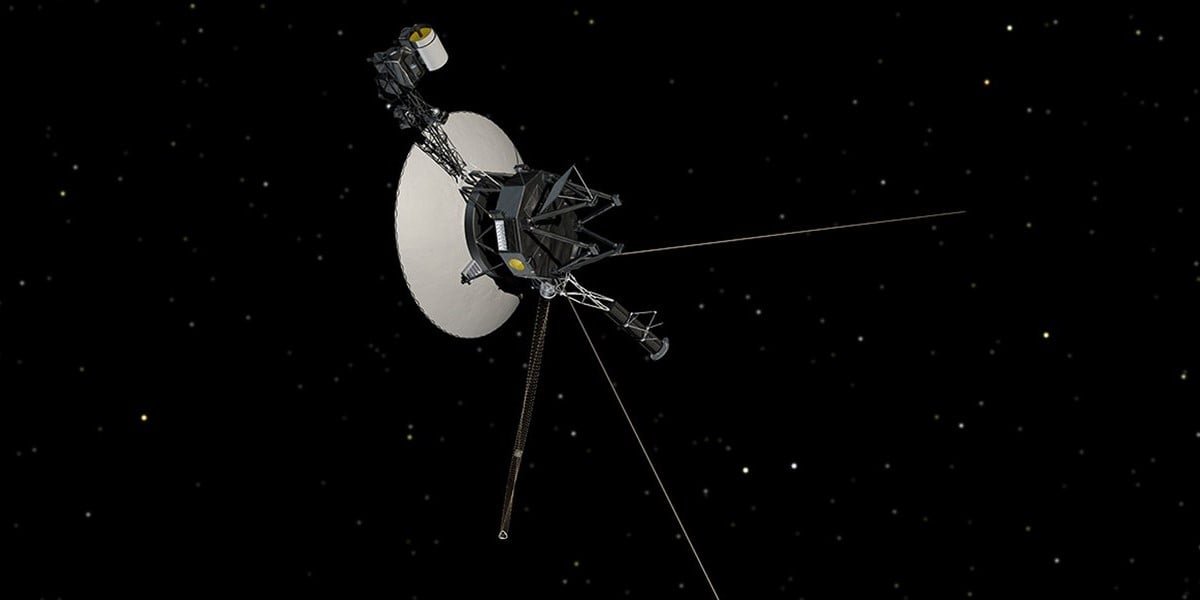
The power issue occurred during a planned roll maneuver on February 27, when Voyager 1's power levels fell unexpectedly. Mission engineers recognized that any additional drop could trigger the spacecraft's undervoltage fault protection system, which would automatically shut down components to safeguard the probe. This would require a lengthy recovery process by the flight team, carrying its own risks.
To avoid this scenario, the Voyager team made the difficult decision to shut off the Low-energy Charged Particles experiment (LECP), giving Voyager 1 "about a year of breathing room." While shutting down a science instrument is not the preferred option, it was deemed the best available choice. The instrument was left in a state where it cannot perform its scientific functions, but a small 0.5-watt motor was kept operational to preserve the possibility of reactivating the instrument in the future if additional power is found.
Both Voyager probes face the same fundamental challenge: their radioisotope thermoelectric generators (RTGs) will eventually cease emitting sufficient energy to keep the spacecraft alive. Voyager 1 is currently over 25 billion kilometers from Earth, making it completely unserviceable, while Voyager 2 faces similar limitations.
NASA's "Big Bang" plan represents a more ambitious energy-saving fix for both Voyagers. The strategy involves swapping out a group of powered devices all at once - hence the nickname - by turning some things off and replacing them with lower-power alternatives to keep the spacecraft warm enough to continue gathering science data.
The plan is sufficiently advanced that NASA intends to test it on Voyager 2 in May and June. If successful, the team will attempt the procedure on Voyager 1 no sooner than July. NASA officials have stated that if the Big Bang strategy works, there is even a chance that Voyager 1's LECP could be switched back on.
This would be yet another remarkable achievement in the 48-year history of the Voyager missions, which NASA originally expected would last only the four years required to reach Jupiter and Saturn. Both spacecraft carried ten instruments at launch but now operate only three apiece. The probes continue to provide valuable data about the outer reaches of our solar system and the boundary between solar and interstellar space, making their extended operation scientifically significant despite the challenges of maintaining such distant spacecraft.
Comments
Please log in or register to join the discussion