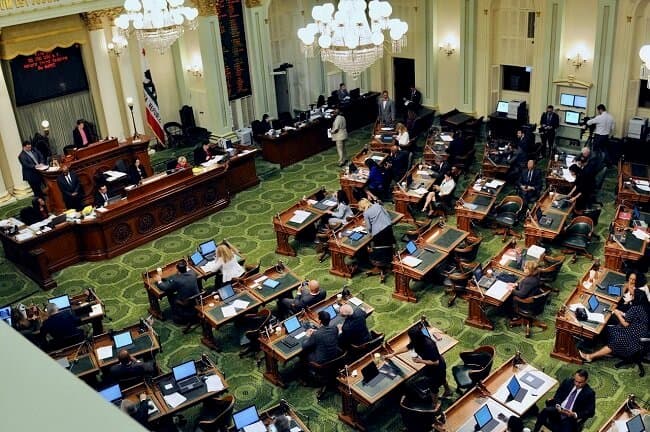
The California State Assembly’s passage of AB 1921 – the Protect Our Games Act – signals the first legislative attempt in the United States to guarantee continued access to digitally sold games after online services end. While the bill has drawn praise from preservationists, industry groups warn of security, IP, and economic repercussions.
A Legislative Win for the ‘Stop Killing Games’ Movement
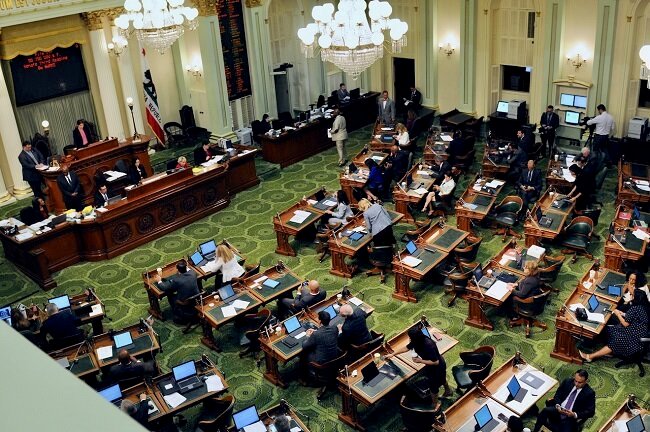
The California State Assembly voted 43‑16 on May 27 to approve AB 1921, dubbed the Protect Our Games Act. The measure requires publishers of digitally sold games released or resold after Jan 1 2027 to give at least 60 days’ notice before shutting down servers, and to provide a playable fallback – a patched offline version, a local‑only mode, or a refund if that is impossible. The bill explicitly excludes subscription‑based titles, free‑to‑play games, and any game that can already be played offline indefinitely.
The vote is the first concrete political victory for the ‘Stop Killing Games’ movement, which grew out of the backlash to Ubisoft’s 2024 shutdown of The Crew’s online servers. When the servers went dark, owners of the game suddenly lost access to the core experience they had paid for, sparking the question that still circulates on Reddit and Twitter: Did we buy a game, or just a license to use a server?
Why the Bill Matters
- Consumer rights after service termination – By mandating a notice period and a fallback access method, the bill treats a digital purchase more like a physical one, where the product remains usable regardless of the seller’s ongoing support.
- Precedent for other states – California often sets trends for tech regulation (think privacy law and autonomous‑vehicle testing). If the bill becomes law, other jurisdictions may feel pressure to adopt similar standards.
- Potential impact on development pipelines – Publishers will need to allocate resources for post‑service maintenance or for creating offline “legacy” builds, a cost that could affect pricing, release schedules, or even the decision to launch an online‑only title.
Evidence of Growing Momentum
- Petition data – A petition hosted on Change.org that calls for federal protection of digital games amassed over 150 k signatures within two months of the Crew controversy.
- International lobbying – The movement has already filed a request with the European Union’s Digital Services Act committee, urging a continent‑wide preservation clause.
- Industry response – Smaller studios such as Supergiant Games have publicly pledged to release offline patches for their multiplayer‑heavy titles, citing community pressure.
Counter‑Perspectives from the Industry
The Entertainment Software Association (ESA) released a statement warning that forced preservation could expose legacy server code to exploitation, potentially creating new security vulnerabilities. Their argument rests on three points:
- Security risk – Old server binaries may contain unpatched bugs that could be weaponized if made publicly available.
- Intellectual‑property concerns – Opening source code or providing full offline builds could undermine a publisher’s ability to protect trade secrets and future monetisation strategies.
- Economic impact – The cost of maintaining a “legacy mode” for every online‑only title could be prohibitive for mid‑size developers, possibly leading to higher game prices or reduced content updates.
The Video Game History Foundation pushes back, likening games to films and books that are archived for cultural preservation. They argue that without legal safeguards, many titles will become inaccessible, erasing a significant portion of modern cultural output.
What Remains Unclear
- Senate and gubernatorial approval – The bill still needs a majority in the California State Senate and the Governor’s signature. Past attempts to regulate digital content have stumbled at the executive level, especially when industry lobbying intensifies.
- Scope of “alternative version” – The legislation’s language leaves room for interpretation. Will a simple “play‑through video” satisfy the requirement, or must publishers ship a functional offline client?
- Effect on subscription services – By exempting services like Xbox Game Pass, the bill could create a two‑tiered system where only one‑off purchases receive protection, potentially reshaping consumer purchasing habits.
Looking Ahead
If AB 1921 becomes law, developers will likely need to rethink how they design online‑dependent experiences. Some may opt for hybrid architectures that separate core gameplay from server‑only features, making it easier to strip out the latter when support ends. Others might double‑down on subscription models, where the cost of continuous server upkeep is already baked into the price.
The broader implication is a shift in how the industry views digital ownership. Whether that shift leans toward stronger consumer rights or heightened security safeguards will depend on the balance struck between preservation advocates and the business realities of running live services.
The Protect Our Games Act is still pending final approval. For the latest legislative updates, see the California State Legislature’s bill tracker.
Comments
Please log in or register to join the discussion