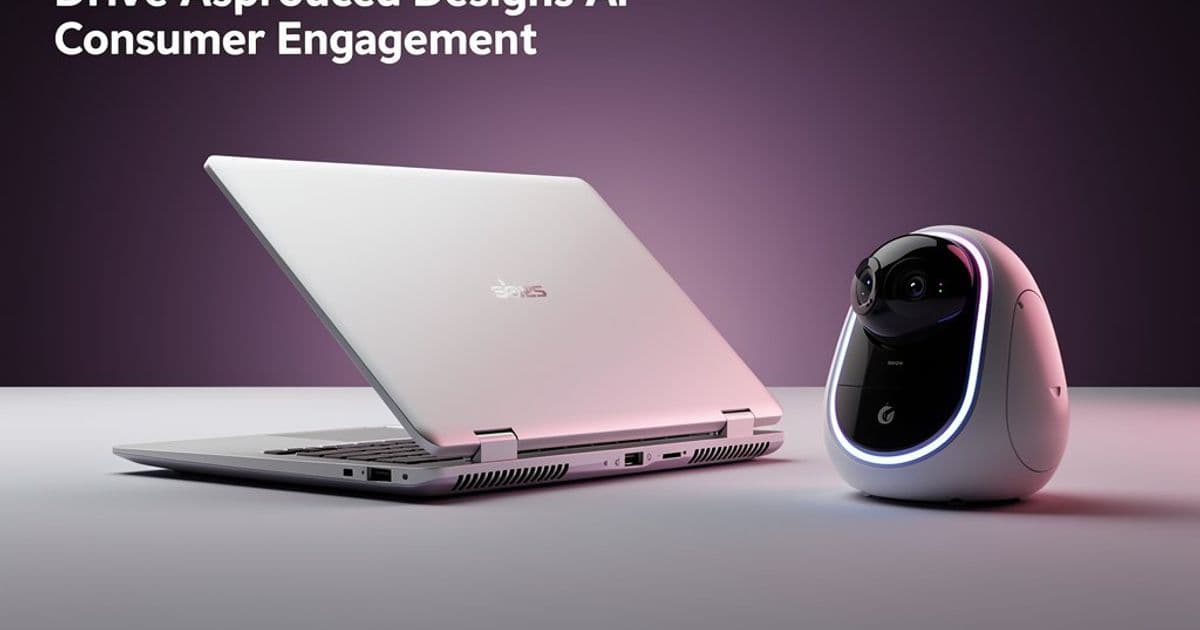
At CES 2026, Lenovo, Sharp and others are deploying anthropomorphic designs in AI products to boost adoption, targeting overlooked demographics with motorized laptops and companion devices.
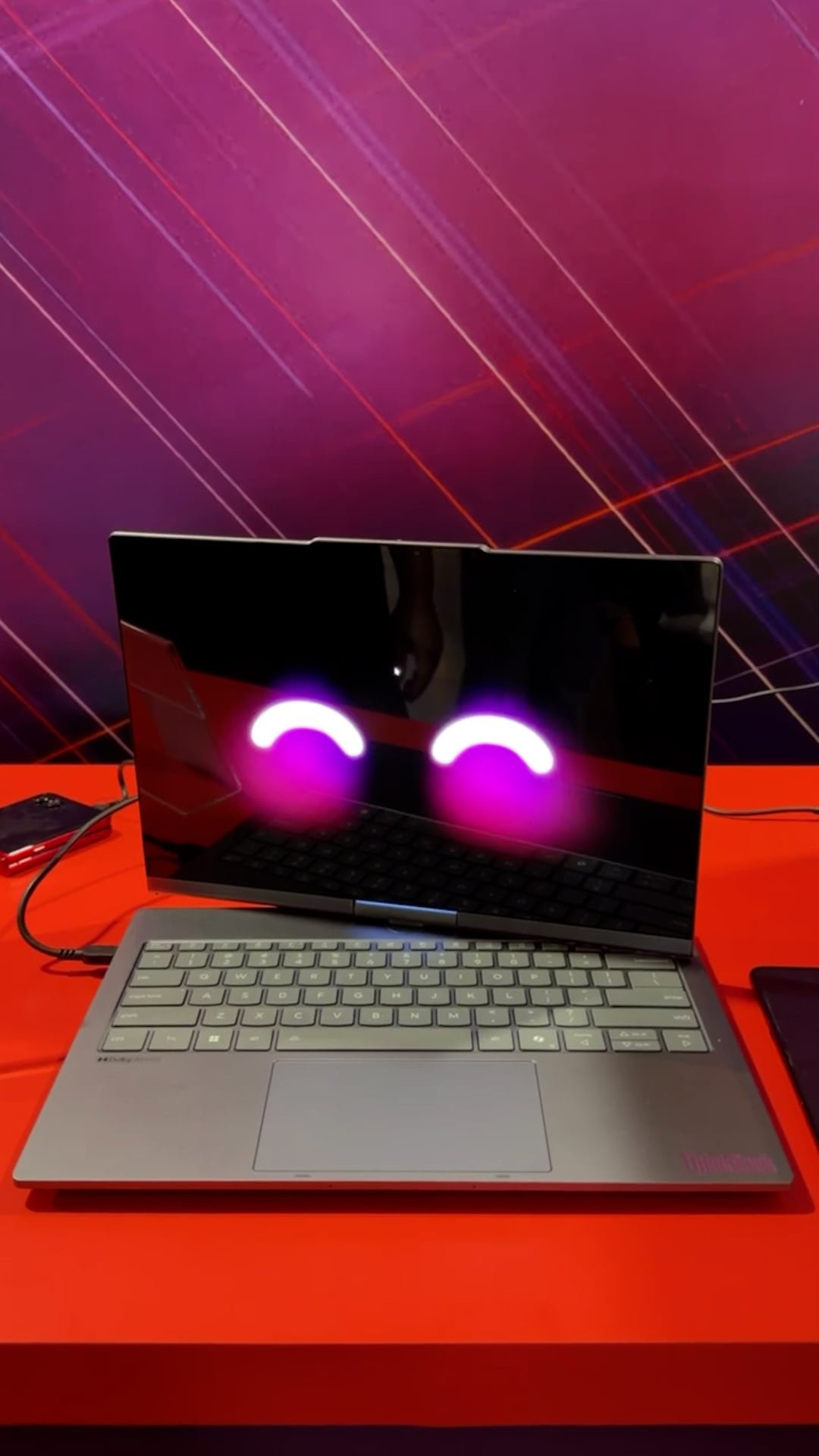
The Consumer Electronics Show 2026 has become a showcase for a strategic pivot in artificial intelligence product design, with major manufacturers investing in anthropomorphism to overcome consumer hesitation. Lenovo's motorized laptop prototype that physically rotates toward users during conversations and Sharp's ChatGPT-integrated Poketomo companion device represent a deliberate industry shift toward emotionally resonant interfaces. This design philosophy targets key demographic gaps: seniors needing simplified interaction models and younger users seeking digital companionship.
Market data reveals the financial imperative behind this trend. The global consumer robotics sector is projected to reach $34 billion by 2027 according to Statista analysis, while emotionally intelligent interfaces could capture 40% of the premium personal electronics segment according to Canalys projections. Manufacturers are addressing adoption barriers identified in Accenture's 2025 consumer survey, where 63% of non-tech-savvy respondents cited "intimidating interactions" as their primary resistance to AI adoption.
Strategic implications extend beyond immediate sales. Products like Samsung's Ballie rolling companion and Sony's affective computing experiments create subscription service opportunities, with emotional AI companions generating projected recurring revenues of $120-$180 annually per user. However, this approach carries development overheads—anthropomorphic systems require 30-50% more R&D investment than utilitarian equivalents, according to IEEE benchmarks. Manufacturers must also navigate the uncanny valley effect, where excessive realism triggers user discomfort.
The commercialization timeline remains aggressive. Lenovo plans market release of its expressive laptop interface by Q4 2026, while Sharp's Poketomo targets childcare and elder care markets with a $299 price point. Early retail testing shows a 22% higher engagement retention rate for emotionally responsive devices versus standard voice assistants. As component costs for micro-actuators and emotion-recognition sensors drop 18% annually according to TrendForce data, this design strategy may become standard across mid-tier consumer electronics by 2028.
This trend represents manufacturers' acknowledgment that AI adoption requires more than technical superiority. By prioritizing approachability through relatable behaviors, companies aim to expand market reach beyond early adopters into demographics historically resistant to smart technology. Success metrics will include not just unit sales but sustained engagement metrics and accessory ecosystem development.
Comments
Please log in or register to join the discussion