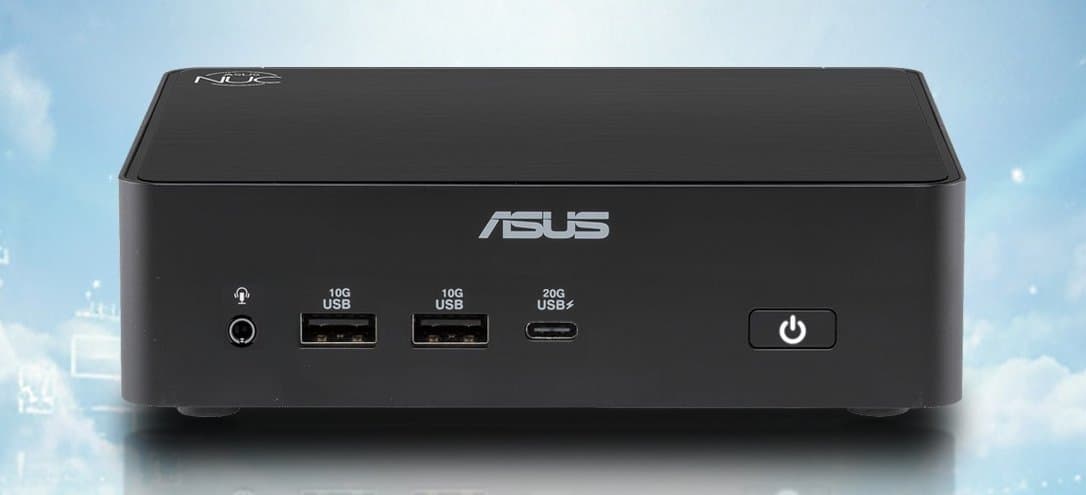
Asus and Dell are introducing specialized mini PCs designed specifically for Windows 365 cloud computing, essentially creating modern dumb terminals that connect to virtual PCs in the cloud.
Asus and Dell are joining Microsoft in the Windows 365 ecosystem with new mini PCs designed specifically for cloud computing. These compact systems represent a shift toward thin-client computing, where the actual processing happens in the cloud while the local hardware serves primarily as a connection point.
Windows 365 Cloud Computing Explained
Most Windows users run the operating system directly on their computers, but since 2021, Microsoft has offered business customers a cloud-based solution called Windows 365. This service essentially hosts virtual PCs in the cloud, allowing users to access their workspaces from a wide range of devices including cheap laptops, tablets, or mini PCs.
The concept isn't entirely new - it's essentially modern thin-client computing, similar to how mainframe terminals worked decades ago, but with the cloud replacing the mainframe. The key advantage is that businesses can provide employees with consistent computing environments regardless of their local hardware capabilities.
Asus NUC 16 for Windows 365
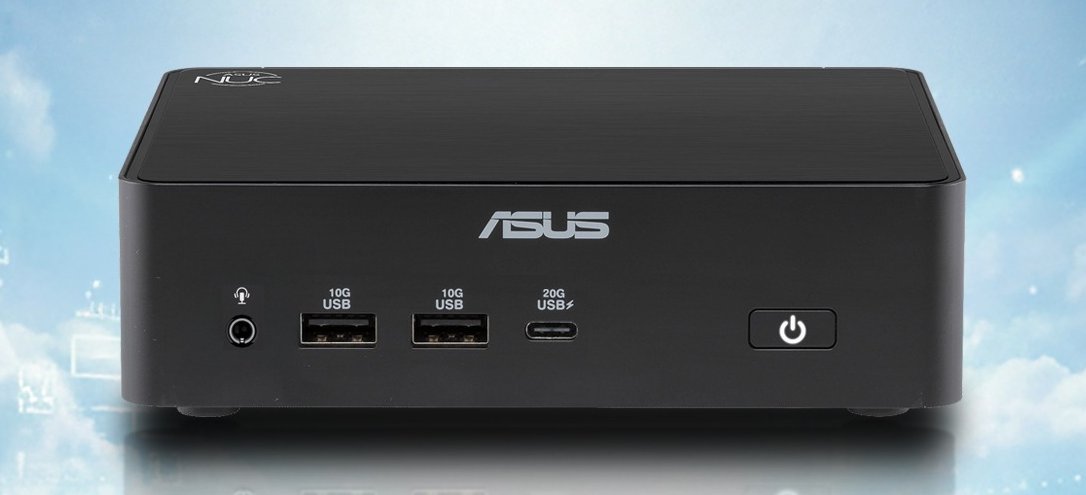
Asus is introducing the NUC 16 for Windows 365, a compact desktop system with an internal volume of just 0.7 liters. This mini PC supports 2.5 GbE LAN and WiFi 6E connections, Bluetooth 5.3, and includes a set of ports featuring HDMI and both USB Type-C and Type-A connections.
Interestingly, this model bears a striking resemblance to the existing Asus NUC 16 Pro, with one notable difference: the front-facing USB Type-C port on the Windows 365 version supports 20 Gbps data transfer speeds, while the USB-C port on the NUC 16 Pro tops out at 10 Gbps speeds.
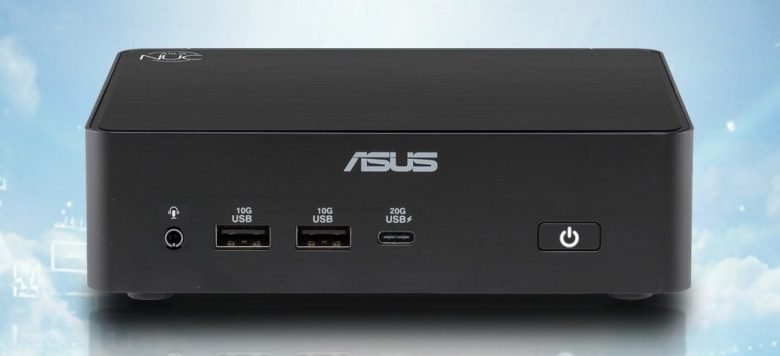
While the NUC 16 Pro features an Intel Panther Lake chip, the Windows 365 version is likely to have a less powerful processor. Asus mentions "the latest Intel processor, with DDR5 memory," but given that this system is essentially a dumb terminal meant to connect to a PC in the cloud, it probably features either an Intel N-series "Twin Lake" processor or potentially a next-gen Intel "Wildcat Lake" chip.
The timing is interesting - Microsoft indicates the NUC 16 for Windows 365 won't launch until the third quarter of 2026. This delay could be due to the use of a processor that hasn't been released yet, though Twin Lake remains the more likely candidate at this point.
Dell Pro Desktop for Windows 365
Dell is taking a different approach with its Pro Desktop for Windows 365, which features a compact, fanless design with Intel N-series processors. This clearly indicates the system will likely have an Intel Twin Lake or Alder Lake-N low-power, low-performance processor.
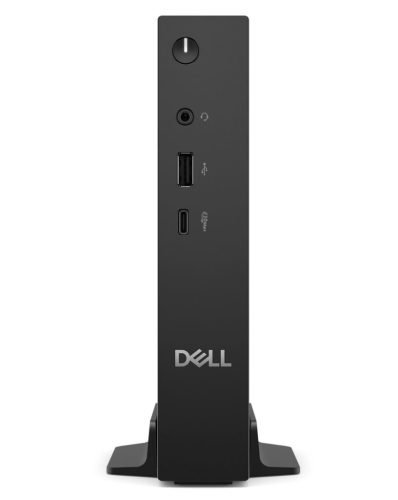
The fanless design makes sense for a device that won't be doing heavy local processing. Since the intended use is connecting to a virtual PC in the cloud, the local hardware requirements are minimal, and a fanless design can provide silent operation while reducing points of failure.
The Thin-Client Revival
Both of these mini PCs are designed for business and enterprise customers, but they raise interesting questions about the future of computing. Unless they ship with a locked-down BIOS that prevents them from doing anything except connecting to Windows 365 in the cloud, it wouldn't be difficult to install Windows or a GNU/Linux distribution to turn them into fully functional computers.
However, there's a catch - these devices will likely ship with pretty small amounts of memory and storage, so users might need to upgrade one or both of those components to use them as general-purpose computers. The economics of this approach are worth considering - would it be cheaper to buy a general-purpose mini PC rather than a specialized Windows 365 device and then modify it?
Market Implications
The introduction of these specialized devices suggests Microsoft and its partners see growing demand for cloud-based computing solutions in enterprise environments. This approach offers several advantages for businesses:
- Simplified management: IT departments can manage virtual machines in the cloud rather than individual physical devices
- Consistent experience: Employees get the same computing environment regardless of their location or device
- Reduced hardware costs: Lower-specification local devices can be used since most processing happens in the cloud
- Enhanced security: Data remains in the cloud rather than being stored on local devices
However, this model also depends heavily on reliable, high-speed internet connections, which may limit its applicability in certain scenarios or geographic locations.
The Secondary Market Question
One interesting aspect to watch will be what happens to these devices in the secondary market. As businesses upgrade their equipment, previously-owned Windows 365 devices may start appearing on eBay and other resale sites. Tech-savvy users might find creative ways to repurpose these compact, energy-efficient machines for other uses.
The success of this approach will likely depend on how locked down these devices are at the hardware level. If they're truly specialized appliances with restricted BIOS options, repurposing them could be challenging. But if they're essentially standard mini PCs with Windows 365 software pre-installed, the modification barrier could be relatively low.
Looking Forward
The introduction of Windows 365-specific hardware from major manufacturers like Asus and Dell signals growing confidence in cloud-based computing models. While this approach may not replace traditional computing for all use cases, it represents a viable option for businesses looking to simplify their IT infrastructure and provide consistent computing experiences across their workforce.
As internet connectivity continues to improve and cloud computing technologies advance, we may see more specialized hardware designed for cloud-first computing paradigms. The question remains whether this represents a fundamental shift in how we think about personal and business computing, or simply another tool in the IT toolbox for specific use cases.
Comments
Please log in or register to join the discussion