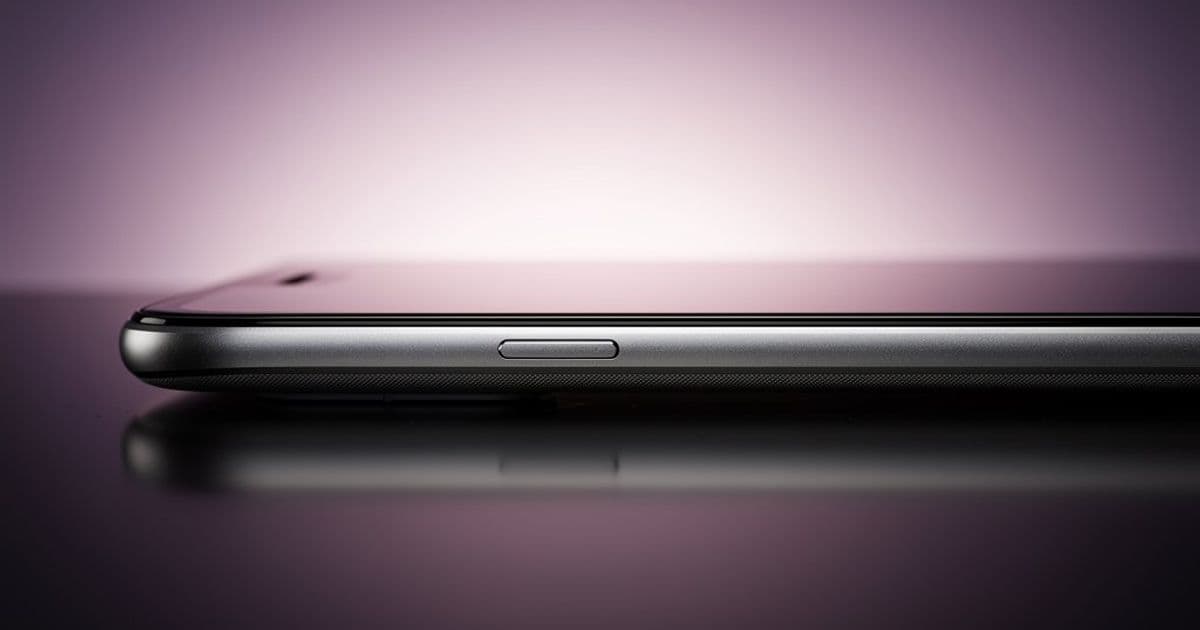
Leaked prototype footage shows Xiaomi was developing an iPhone Air competitor that would have been even thinner, but the project was reportedly killed due to market conditions.
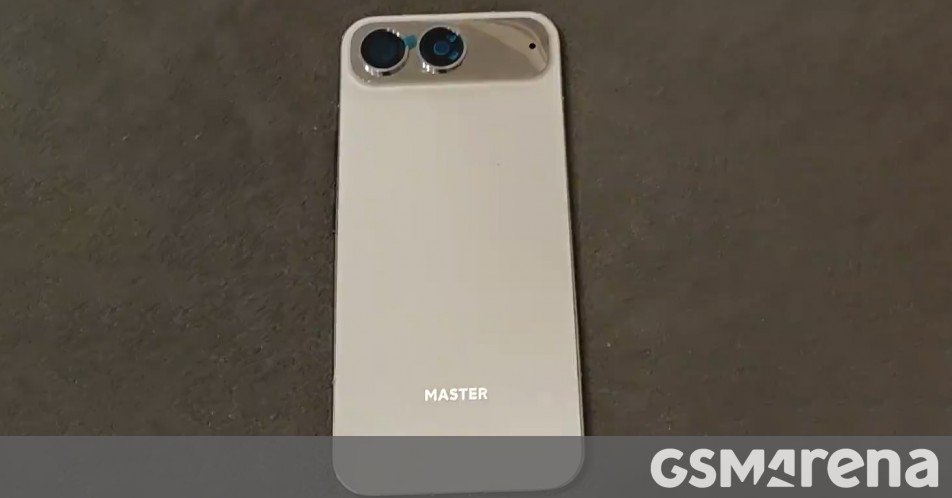
A leaked video has revealed what could have been Xiaomi's answer to the iPhone Air - a prototype device codenamed the Xiaomi 17 Air that measured just 5.5mm thick. The footage, shared by tipster Bald Panda, shows the device's chassis and design language, giving us a glimpse into a project that never made it to market.
The Prototype That Wasn't
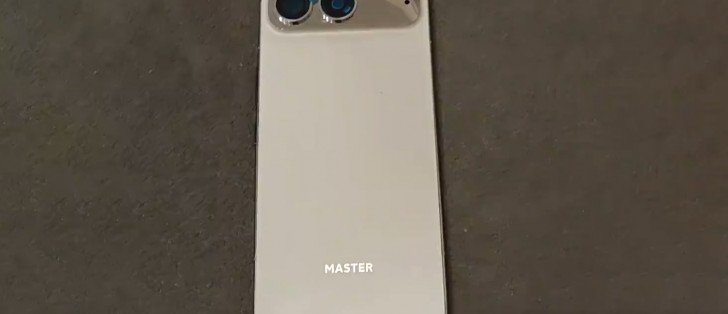
The Xiaomi 17 Air prototype featured a distinctive design with a prominent visor-style camera island on the back. The camera module housed two separate camera sensors and utilized a shiny metallic finish that contrasted with the matte glass back panel. This design language appears to align with Xiaomi's recent aesthetic direction seen in other flagship devices.
According to the tipster, the device would have sported a 6.59-inch display, positioning it as a direct competitor to the iPhone Air's form factor. At just 5.5mm thin, it would have edged out Apple's offering by 0.1mm - a razor-thin margin that would have given Xiaomi bragging rights in the ultra-thin category.
Hardware Specifications
Digital Chat Station, another prominent leaker, provided additional details about what powered this ultra-thin device. The Xiaomi 17 Air was reportedly set to feature Qualcomm's Snapdragon 8 Elite Gen 5 chipset, the same processor that would have powered Xiaomi's 2025 flagship lineup. This suggests Xiaomi was targeting premium performance despite the engineering challenges of cramming high-end specs into such a thin profile.
The camera system was expected to include a 200MP main sensor, continuing Xiaomi's push for ultra-high-resolution photography. For battery life, the device would have packed a sub-6,000mAh battery - impressive capacity for a phone this thin, though still below the 6,500mAh batteries found in thicker flagships.
Why It Was Cancelled
The cancellation appears to stem from market conditions rather than technical limitations. According to earlier reports from DigiTimes, at least three Chinese smartphone manufacturers abandoned their ultra-thin projects following poor sales of the iPhone Air. The report suggested that consumers weren't willing to sacrifice battery life and durability for marginal thickness reductions.
This trend highlights a key challenge in smartphone design: the trade-off between form and function. While ultra-thin devices generate headlines and showcase engineering prowess, they often require compromises in battery capacity, thermal management, and structural integrity. The iPhone Air's market performance apparently demonstrated that these trade-offs weren't acceptable to mainstream buyers.
The Broader Context
Xiaomi's decision to kill the 17 Air project reflects a pragmatic approach to product development. The company has been known for experimenting with bold designs - from the Mi Mix's bezel-less display to the Mi 11 Ultra's massive camera bump - but ultimately prioritizes commercial viability.
The cancellation also raises questions about the future of ultra-thin smartphones. While the category generated excitement when Apple entered it, the market response suggests most consumers still prefer devices that prioritize battery life and camera capabilities over extreme thinness.
Xiaomi continues to innovate in other areas. Recent reports indicate the company is working on a phone with a built-in cooling fan, suggesting they're exploring alternative approaches to thermal management rather than simply making devices thinner.
What Could Have Been
The Xiaomi 17 Air prototype represents an interesting 'what if' scenario in smartphone evolution. It would have offered:
- Ultra-thin profile: 5.5mm thickness, thinner than the iPhone Air
- Premium display: 6.59-inch screen for comfortable media consumption
- Flagship performance: Snapdragon 8 Elite Gen 5 chipset
- High-resolution camera: 200MP main sensor for detailed photography
- Respectable battery: Sub-6,000mAh capacity despite the thin form factor
However, the project's cancellation shows that engineering achievements alone don't guarantee commercial success. Xiaomi's decision to focus on more practical innovations - like the rumored fan-cooled device - suggests the company is learning from the market's response to ultra-thin phones.
The ultra-thin smartphone category may not be dead entirely, but it appears to be on pause while manufacturers figure out how to deliver the form factor without compromising the features users actually care about. For now, Xiaomi's resources are better spent on innovations that solve real user problems rather than chasing thickness records.
Sources: Bald Panda Weibo, Digital Chat Station Weibo, DigiTimes
Comments
Please log in or register to join the discussion