New app transforms chaotic YouTube browsing into scheduled TV-like experience with AI-generated channels and smart recommendations.
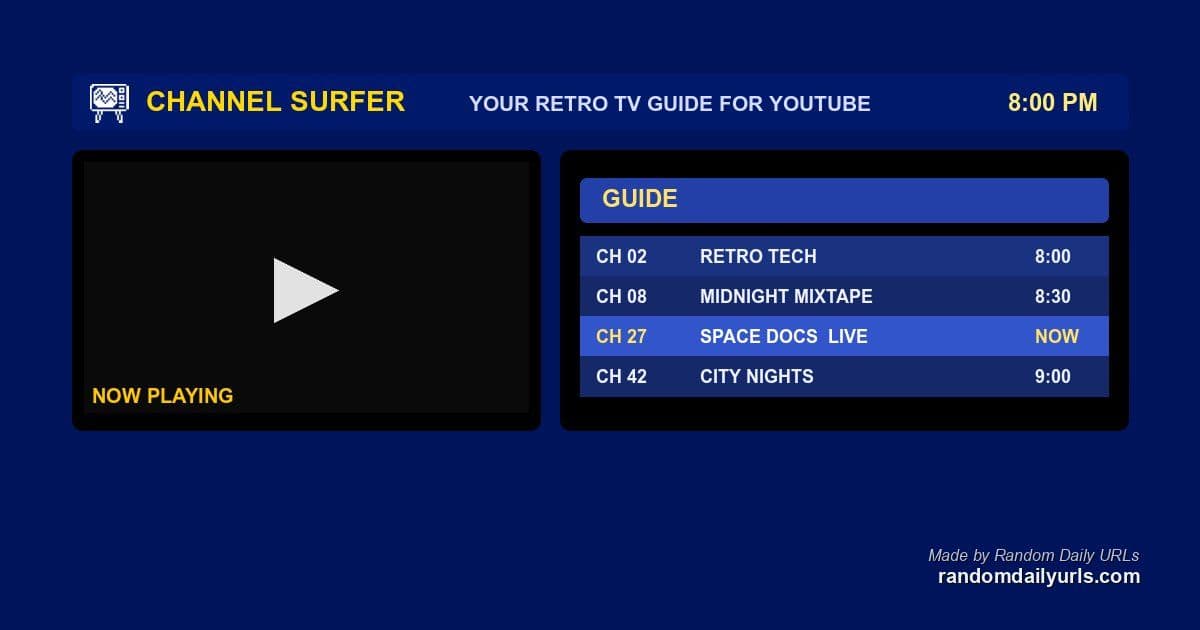
Channel Surfer is a new application that reimagines YouTube consumption by transforming the platform's chaotic, on-demand nature into a structured, TV-like experience. The app, developed by RDU, creates an interface that mimics traditional cable television, complete with scheduled programming, channel surfing, and a familiar remote control layout.
The concept addresses a growing frustration among YouTube users who find themselves endlessly scrolling through recommendations without ever actually watching anything. By organizing content into scheduled "channels" that play automatically, Channel Surfer eliminates decision fatigue and recreates the passive viewing experience that many users miss from traditional television.
At its core, Channel Surfer uses artificial intelligence to curate content into thematic channels. Rather than requiring users to manually create playlists or subscribe to specific channels, the app automatically generates programming based on viewing history, trending topics, and content categories. This AI-driven approach ensures fresh content while maintaining the serendipitous discovery that made channel surfing appealing in the first place.
The interface design deliberately evokes the look and feel of cable TV from the 2000s, with a grid-based channel guide, volume controls, and channel up/down buttons. This nostalgic design choice isn't merely aesthetic—it taps into the psychological comfort many users associate with traditional television viewing. The app even includes features like commercial breaks and channel bumpers, though these are skippable for users who prefer uninterrupted viewing.
One of Channel Surfer's most innovative features is its "smart scheduling" system. The app learns viewing patterns throughout the day and adjusts its programming accordingly. Morning channels might focus on news and educational content, while evening slots lean toward entertainment and relaxation-oriented videos. This temporal awareness creates a viewing experience that feels more intentional and curated than YouTube's standard recommendation algorithm.
Privacy considerations are central to the app's design. Unlike traditional TV providers that track viewing habits for advertising purposes, Channel Surfer processes recommendations locally on the user's device. The app doesn't require a YouTube account login, though users can optionally connect their accounts for personalized recommendations. This approach addresses growing concerns about data collection while still delivering relevant content.
The development team behind Channel Surfer appears to be a small indie operation, suggesting this is a passion project rather than a venture-backed startup. The app's simplicity and focused feature set indicate careful consideration of what actually improves the YouTube viewing experience rather than adding unnecessary complexity.
Early user feedback suggests Channel Surfer particularly appeals to users who remember the pre-streaming era of television. For younger users who have never experienced traditional TV, the app offers a novel way to discover content without the pressure of choosing what to watch. The scheduled programming model also encourages users to engage with content they might otherwise skip, potentially broadening their media consumption.
Technical implementation appears to rely on YouTube's public API for content discovery and playback, though the app adds significant value through its interface and scheduling logic. The developers have managed to create a seamless experience that feels native despite being built on top of YouTube's platform.
Channel Surfer represents an interesting counter-trend in the streaming era. While most services focus on giving users more control and on-demand options, this app deliberately reintroduces constraints and structure. This approach suggests there's still value in the traditional television model, particularly for users overwhelmed by endless choice.
The app's success may depend on how well it balances nostalgia with modern convenience. Too much friction in the viewing experience could drive users back to YouTube's native interface, while too little structure would defeat the purpose of the channel surfing concept. Early indications suggest the developers have found a sweet spot that captures the best aspects of both paradigms.
As streaming services continue to fragment and content libraries expand, tools like Channel Surfer may become increasingly valuable for helping users navigate the overwhelming volume of available video content. Whether this particular implementation gains widespread adoption remains to be seen, but the underlying concept addresses a real pain point in modern media consumption.
For now, Channel Surfer offers YouTube enthusiasts a novel way to experience their favorite platform, transforming endless scrolling into scheduled entertainment that feels both familiar and refreshingly different from the standard streaming experience.
Comments
Please log in or register to join the discussion