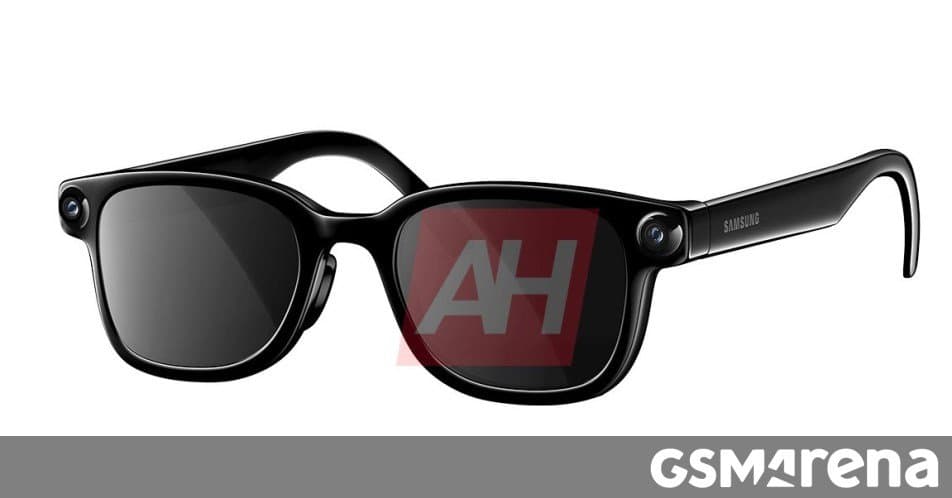
Leaked renders of Samsung's upcoming Galaxy Glasses reveal the company's first entry into the smart glasses market, featuring Android XR, Gemini integration, and partnerships with premium eyewear brands.
Samsung is making its first major push into the smart glasses market, with leaked renders providing our clearest look yet at the upcoming Galaxy Glasses. The images, showing three different angles of the device, confirm Samsung's serious commitment to augmented reality eyewear that will directly compete with Meta's Ray-Ban glasses while leveraging Google's Android XR platform.
Design and Specifications
The leaked images reveal a sleek, minimalist design that wouldn't look out of place in a high-end eyewear boutique. Samsung has partnered with established eyewear brands Warby Parker and Gentle Monster for the frames, suggesting the company is targeting consumers who value both technology and fashion. The glasses weigh approximately 50 grams, making them comparable to traditional eyewear while housing sophisticated technology.
Under the hood, the Galaxy Glasses will be powered by Qualcomm's Snapdragon AR1 chipset, which provides the processing power needed for AR experiences while maintaining energy efficiency. The device supports both Wi-Fi and Bluetooth 5.3, enabling connectivity with smartphones and other devices. A 155 mAh battery provides power to the glasses, though Samsung hasn't yet revealed expected battery life.
The device features a 12MP camera using the Sony IMX681 sensor, suggesting Samsung is positioning these glasses as capable photo and video capture devices. Directional speakers will provide audio without disturbing those nearby, a thoughtful design consideration for wearable technology.
Android XR and Gemini Integration
What sets the Galaxy Glasses apart from competitors is their use of Android XR, Google's specialized operating system for extended reality devices. This means the glasses will come with Google's Gemini AI built-in, potentially enabling voice commands, information overlays, and other AI-powered features. The integration with Google's ecosystem could provide a significant advantage over competitors.
Consumers can expect to hear more about the Android XR platform at Google I/O next month, which may reveal additional capabilities and partnerships that will enhance the Galaxy Glasses experience. The tight integration between Samsung's hardware and Google's software could create a compelling user experience that bridges mobile computing and augmented reality.
For those interested in the technical specifications of the Android XR platform, Google's developer documentation provides insights into the capabilities and development opportunities for this emerging ecosystem.
Market Position and Pricing
The first-generation Galaxy Glasses are expected to be priced between $379 and $499, positioning them as a premium product in the emerging smart glasses market. This pricing directly targets Meta's Ray-Ban glasses, which have established a foothold in the consumer AR space.
Notably, the first-generation Galaxy Glasses won't feature a display, focusing instead on audio capabilities, camera functionality, and AI integration. Samsung is already planning a second generation, codenamed "Haean," which will include a display and is expected in 2027 with a price range of $600 to $900.
Ecosystem Considerations
The Galaxy Glasses represent Samsung's broader strategy to expand its ecosystem beyond traditional smartphones and wearables. By leveraging Android XR and integrating with Google's services, Samsung is creating a device that complements rather than competes with its existing product line.
However, this ecosystem integration also raises questions about lock-in. Users who invest in Galaxy Glasses will likely benefit most from Samsung smartphones and Google services, potentially creating a walled garden that limits interoperability with other platforms. This approach mirrors Apple's strategy with its devices but places Samsung in an interesting position as both a hardware manufacturer and part of the Android ecosystem.
Future Outlook
Samsung may unveil the Galaxy Glasses during its summer Unpacked event in July, which is also expected to feature the Galaxy Z Fold8, Galaxy Z Flip8, and Galaxy Z Fold Wide. This timing would allow Samsung to position the glasses as part of its broader mobile device lineup, emphasizing how they complement smartphones rather than replace them.
As the smart glasses market continues to develop, Samsung's entry could accelerate adoption by bringing established brand recognition, design expertise, and ecosystem integration to a category that has struggled to gain mainstream traction. The combination of premium eyewear partnerships, Google's AI capabilities, and Samsung's hardware engineering could make the Galaxy Glasses a significant player in the emerging AR market.
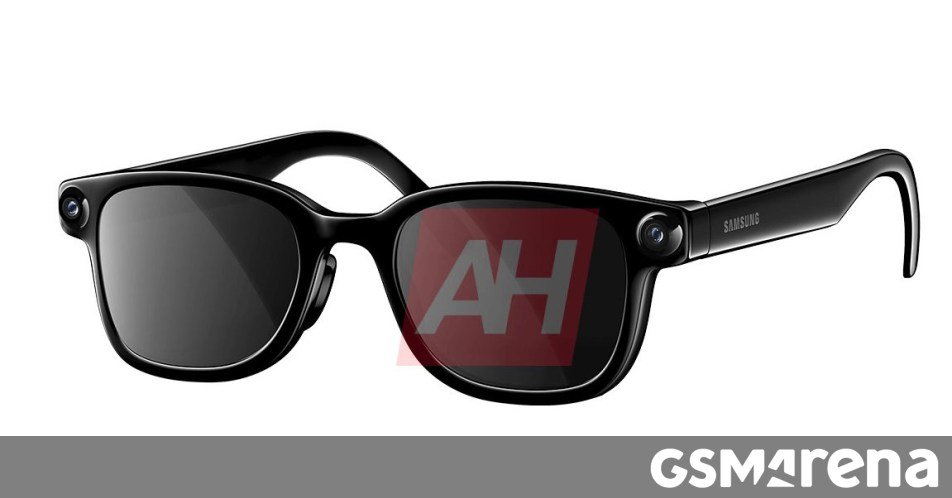
The leaked renders show a device that balances technological capability with aesthetic appeal, suggesting Samsung has learned from earlier attempts at smart glasses that prioritized functionality over wearability. By collaborating with established eyewear brands, Samsung is acknowledging that for smart glasses to succeed, they must first be desirable as eyewear.
The success of the Galaxy Glasses will likely depend on how well Samsung executes on the software experience and whether it can overcome the challenges of battery life, display technology (in future generations), and finding compelling use cases that justify the premium price point. As the market evolves, Samsung's entry could help establish standards and expectations for consumer AR devices, potentially accelerating the development of the entire category.
For more information on Qualcomm's AR1 chipset that powers the Galaxy Glasses, Qualcomm's official page provides technical details on its capabilities and advantages for AR devices.
With Google's Android XR platform still in its early stages and consumer adoption of AR devices limited, the Galaxy Glasses represent a significant bet on the future of wearable computing. Samsung's willingness to invest in this emerging technology demonstrates the company's confidence in the long-term potential of augmented reality as a computing platform.
The competition in the smart glasses space is heating up, with Meta, Apple, and now Samsung all investing heavily in the category. As these companies continue to refine their offerings, consumers can expect to see improvements in design, battery life, and functionality that could make AR glasses a mainstream accessory within the next few years.
Developers and enthusiasts can learn more about Google's vision for the Android XR ecosystem by checking out the Google I/O 2026 schedule, where the platform is expected to be a major focus area.
Comments
Please log in or register to join the discussion