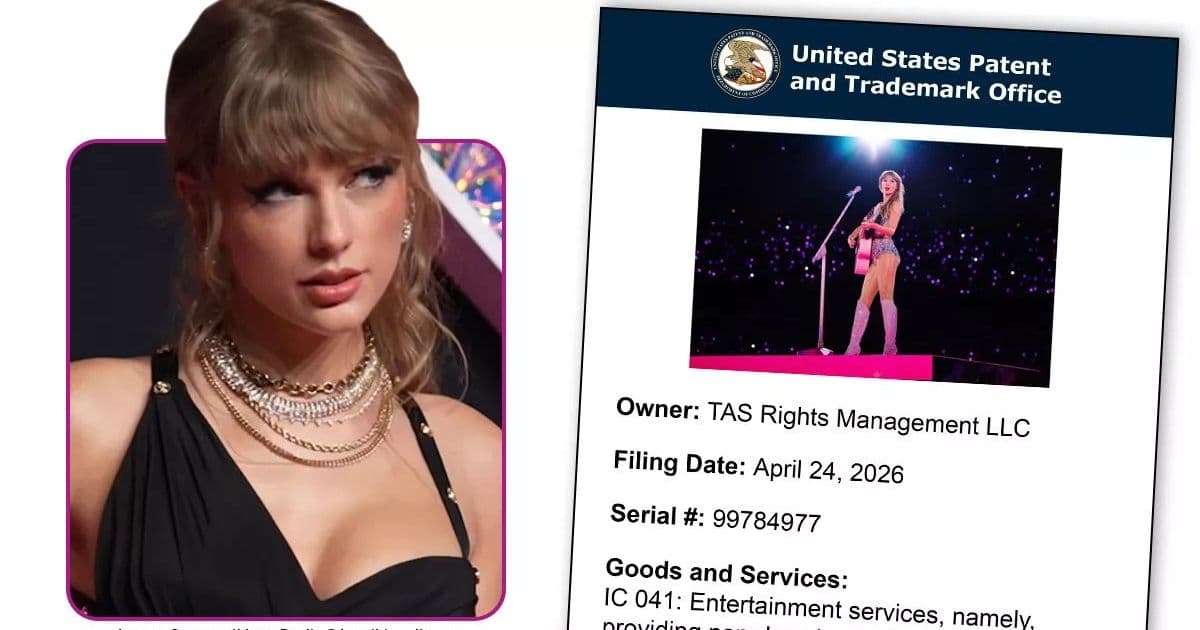
Taylor Swift's management company has filed trademark applications for the singer's voice and image, representing a growing trend of celebrities seeking legal protection against AI cloning technologies that threaten their digital personas and commercial interests.
Taylor Swift's TAS Rights Management has filed applications to trademark the singer's voice and image, aiming to protect against threats posed by AI technologies that can replicate celebrities' digital likenesses without permission. The filings, made on April 24, 2026, highlight a significant legal response to the growing capabilities of artificial intelligence to clone voices, images, and even mannerisms with increasing accuracy.
This move by Swift's team reflects a broader industry-wide concern as AI technologies become more sophisticated and accessible. According to Josh Gerben, trademark attorney at Gerben IP, "These filings represent an attempt to establish legal boundaries around how a celebrity's persona can be used by AI systems."
The rise of AI voice and image cloning has created unprecedented challenges for public figures. Recent developments include:
- OpenAI's voice cloning features in their latest models
- Numerous startups offering "digital twin" services for celebrities
- Cases where AI-generated content featuring celebrities went viral without consent
Legal experts note that trademark protection for voice and image is a relatively new frontier. "Trademarks have traditionally protected brand identifiers like logos and names," explains Gerben. "Extending this to voice and image recognition in AI contexts creates new legal precedents."
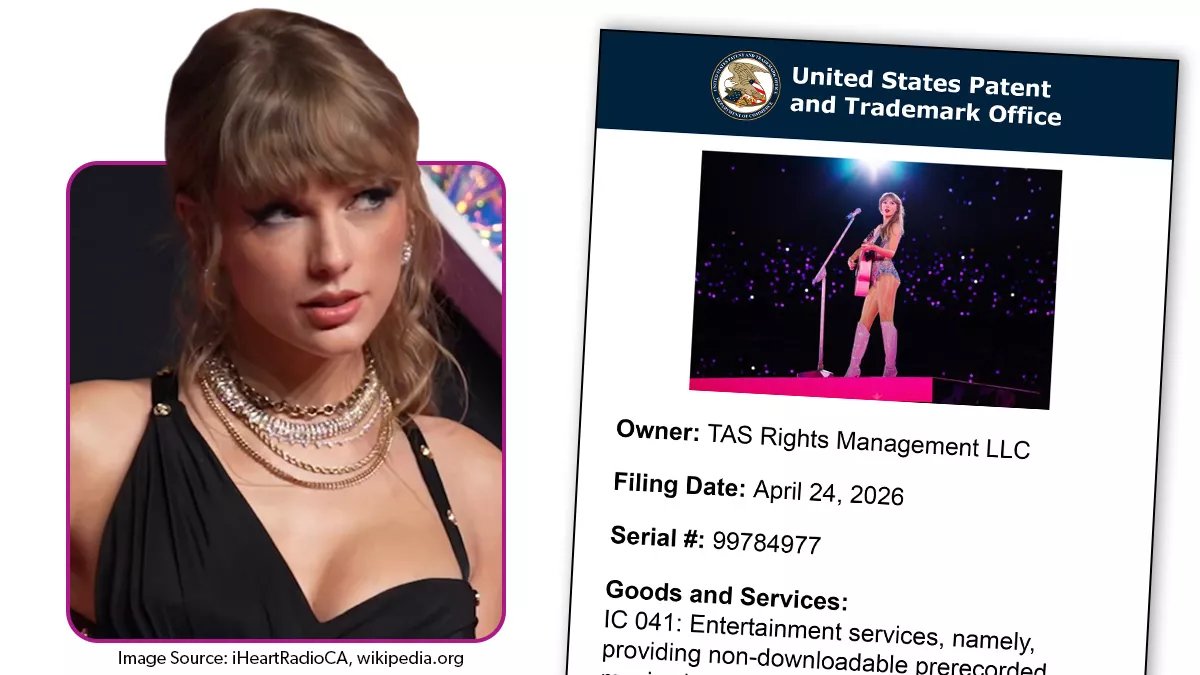
The technical capabilities driving these concerns have advanced rapidly. Modern AI systems can analyze hours of video and audio content to create convincing replicas that capture not just appearance and sound, but also subtle mannerisms and speech patterns. This technology has legitimate applications in entertainment and accessibility but also poses significant risks when used without proper authorization.
Counter-perspectives emerge from technology advocates who argue that overly restrictive intellectual property laws could stifle innovation. "The solution isn't just more legal barriers," suggests a spokesperson from the Digital Freedom Coalition, "but developing ethical frameworks that balance creator rights with technological progress."
Industry response has been mixed. Some entertainment companies have embraced AI technologies with proper consent frameworks, while others are pursuing aggressive legal strategies. The Recording Industry Association of America has recently proposed guidelines for AI use in music that include mandatory disclosure when AI-generated content mimics specific artists.
The effectiveness of trademark protection against AI cloning remains uncertain. Legal scholars point out that AI systems can potentially circumvent traditional protections by transforming enough of the original content to avoid direct copying. "We're entering a gray area where existing intellectual property laws may not adequately address these new technologies," notes Professor Elena Rodriguez at Stanford's Technology Law Center.
Beyond legal challenges, there are ethical considerations about the right to control one's digital persona. As AI becomes more prevalent, questions arise about how much control individuals should have over how their likeness is used in digital spaces.
Taylor Swift's case may set important precedents for how other celebrities and public figures approach AI protection. The outcome of these trademark applications could influence future legislation and industry standards for AI-generated content featuring recognizable personalities.
For developers and companies working with AI technologies, this trend signals the need for more robust consent frameworks and ethical guidelines. The entertainment industry, in particular, may need to develop new business models that incorporate AI technologies while respecting the rights of performers and creators.
As AI continues to evolve, the balance between technological innovation and intellectual property protection will likely remain a contentious issue. Taylor Swift's trademark applications represent one approach to navigating this complex landscape, but they may be just the beginning of a longer conversation about how society should regulate AI's ability to replicate human identity.
Comments
Please log in or register to join the discussion