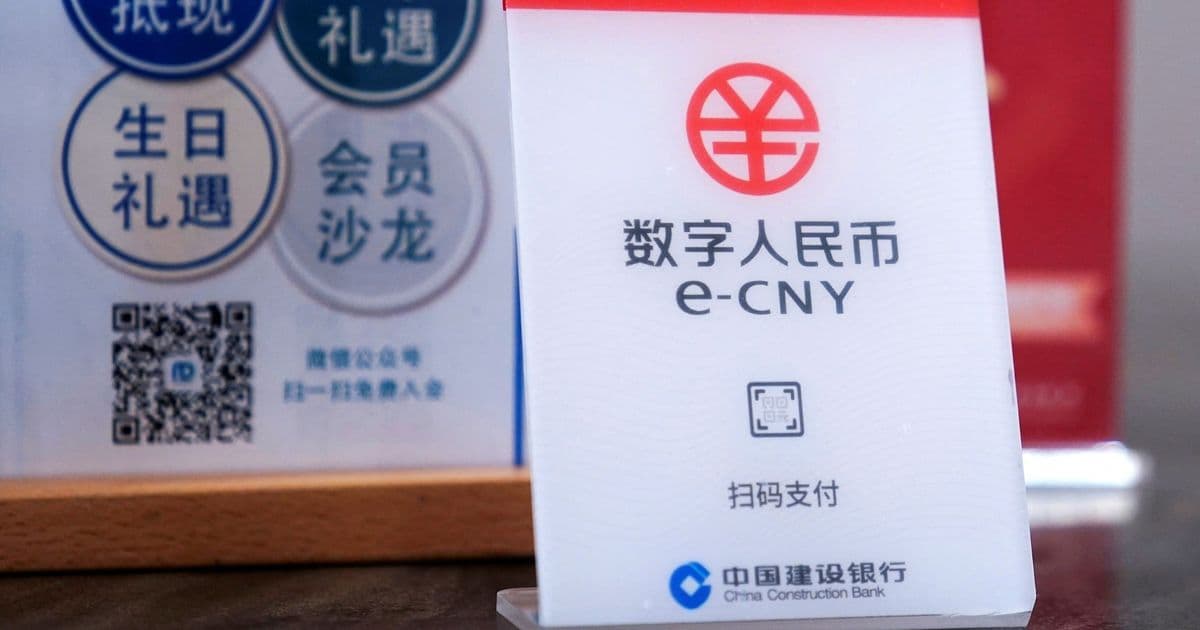
The mBridge digital currency platform, spearheaded by China's central bank, has processed over 4,000 transactions totaling $55.5 billion during its prototype phase according to an Atlantic Council report, signaling significant progress in cross-border central bank digital currency (CBDC) integration.
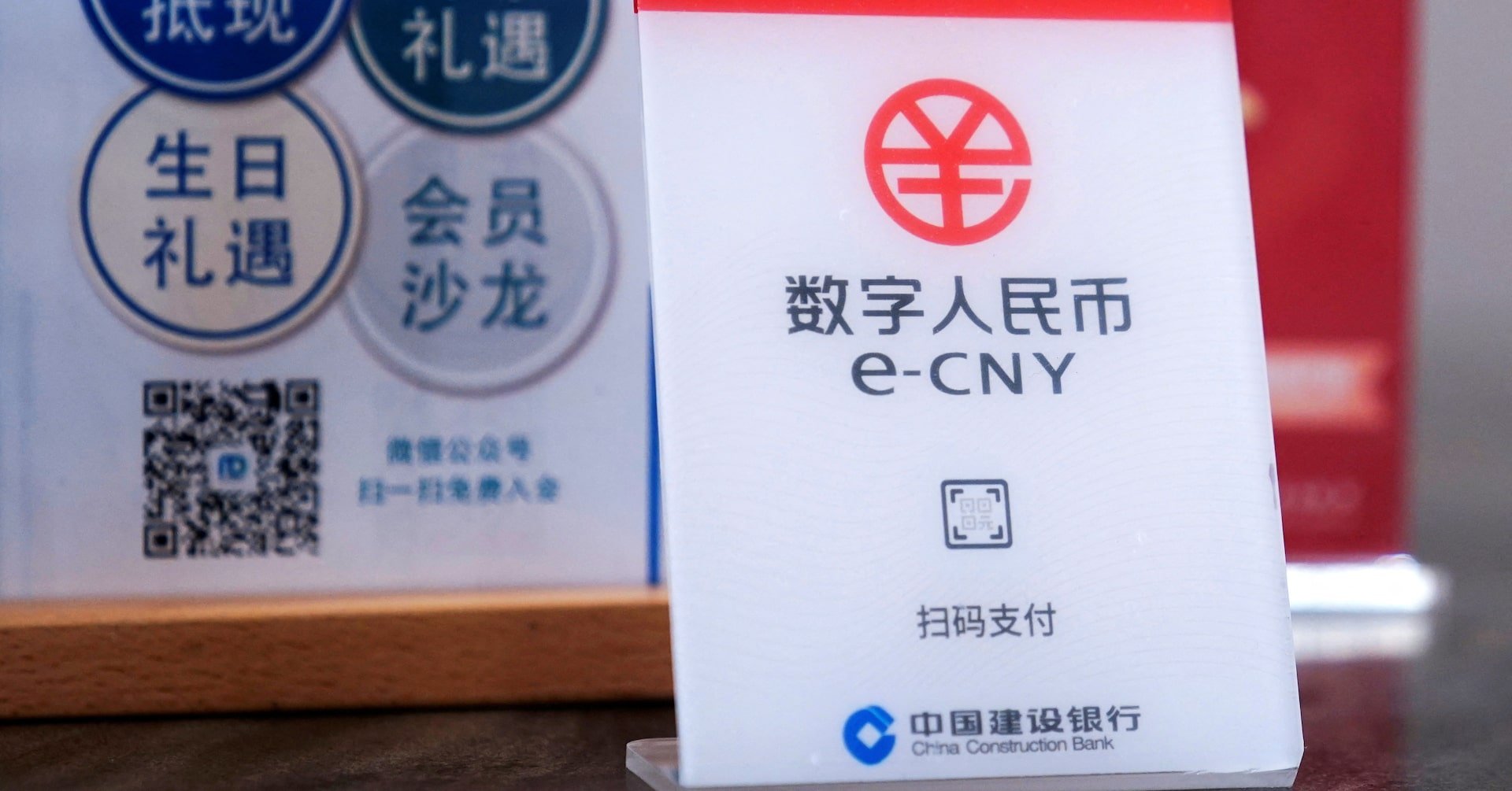
The mBridge cross-border payment platform has processed over 4,000 transactions worth $55.5 billion during its prototype phase, according to new data from the Atlantic Council. The project, led by the People's Bank of China with participation from central banks in Thailand, United Arab Emirates, and Hong Kong, represents one of the most advanced multinational CBDC initiatives to date.
This transaction volume demonstrates substantial adoption testing among participating financial institutions. mBridge uses distributed ledger technology to enable real-time foreign exchange settlements and reduce traditional cross-border payment friction points like multi-day settlement times and high intermediary fees.
Three key technical developments have emerged from the prototype:
- Multi-Currency Liquidity Pool: Participating central banks contribute currency reserves to a shared mechanism enabling instant currency swaps
- Regulatory Compliance Modules: Built-in tools allow automated sanctions screening and transaction monitoring
- 24/7 Settlement Capability: Eliminates traditional banking hour restrictions
Platform activity has accelerated particularly for corporate payments and trade finance between participating regions, with average transaction sizes exceeding $13 million. The prototype's technical architecture reportedly handles settlement finality in under 10 seconds.
Despite progress, challenges remain before full production launch:
- Scalability testing for higher transaction volumes
- Integration with legacy banking systems
- Finalizing governance protocols among participating nations
- Addressing privacy concerns around transaction transparency
The Bank for International Settlements' Innovation Hub continues coordinating development, with platform expansion to additional Southeast Asian nations expected later this year. Final production implementation decisions are anticipated by Q1 2027 following further technical validation and policy alignment.
This initiative represents China's strategic push for greater influence in international financial infrastructure through technological innovation rather than replacing existing systems outright. Successful implementation could reshape correspondent banking relationships and reduce dollar dependence in Asian trade corridors.
Comments
Please log in or register to join the discussion