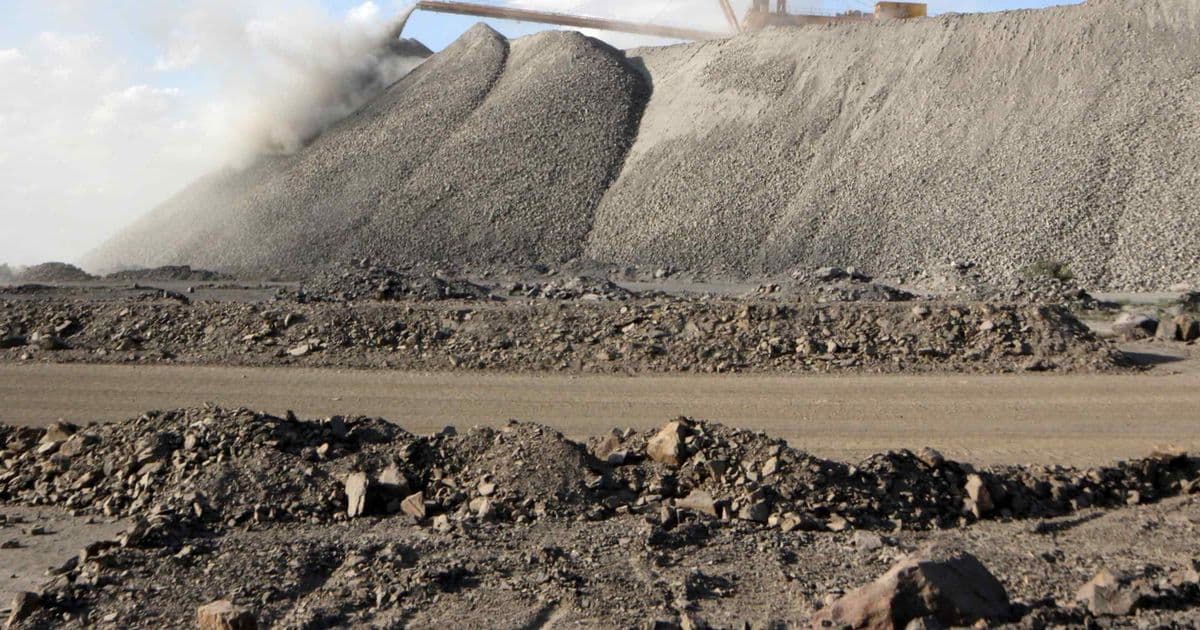
China has expanded export restrictions on rare earth minerals to include civilian shipments bound for Japan, escalating trade friction between the two nations as Beijing leverages its dominance in critical materials.
China has implemented new restrictions on exports of rare earth elements to Japan, explicitly extending controls to civilian applications according to verified industry and government sources. The measures include deliberate delays in processing export permits for shipments containing rare earth minerals – critical components in electronics, electric vehicles, and renewable energy systems. This policy shift marks a significant escalation in Beijing's economic pressure campaign amid deteriorating diplomatic relations.
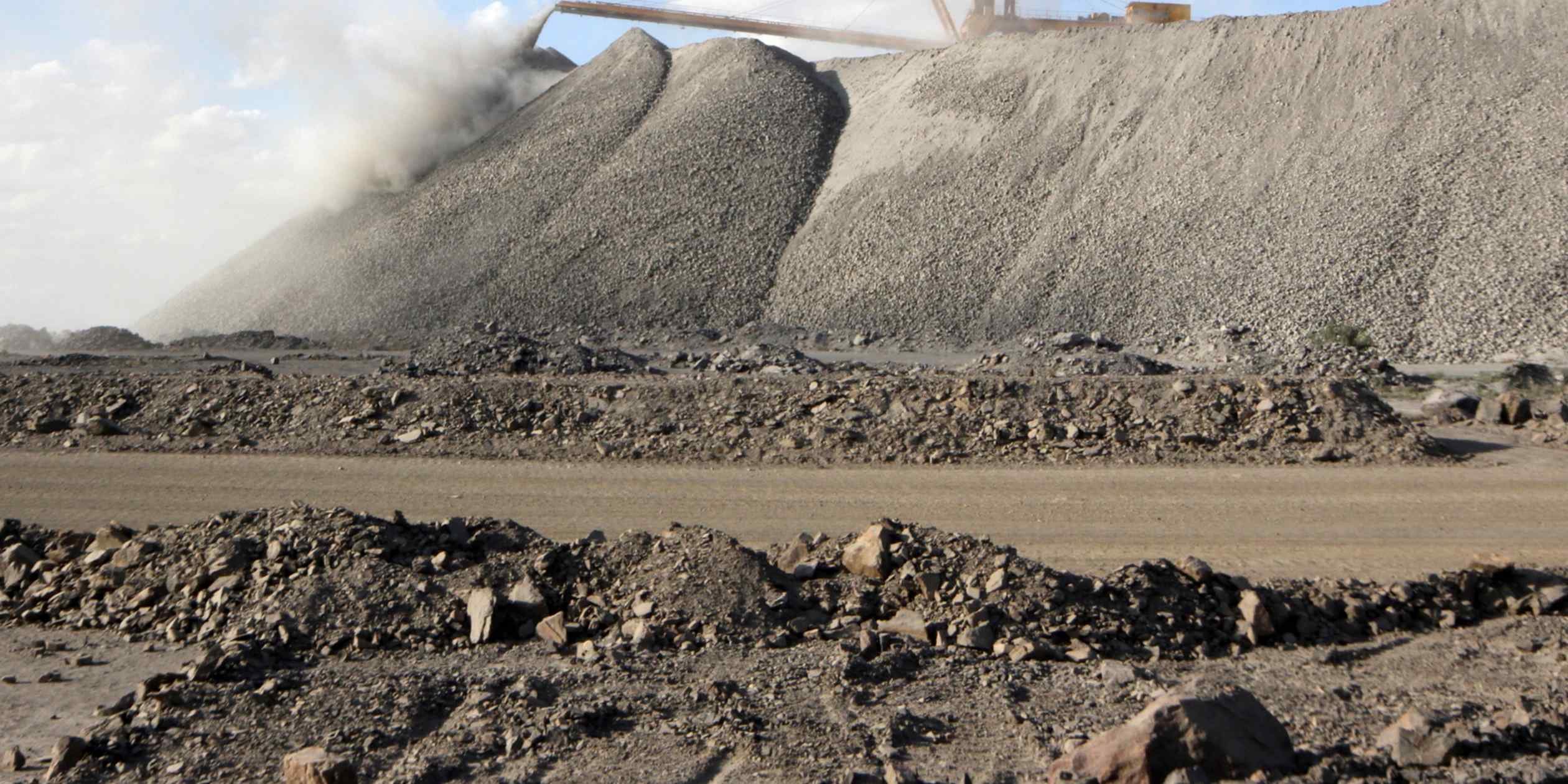
The restrictions directly impact Japan's manufacturing base, where rare earths are essential for producing motors in hybrid vehicles, precision electronics, and industrial robotics. Japan imports over 90% of its rare earth materials from China, which controls roughly 60% of global mining output and nearly 90% of refining capacity according to U.S. Geological Survey data. Industry analysts note export permit approvals that previously took 2-3 weeks now require 60 days or longer, effectively creating a supply bottleneck.
This move appears retaliatory following recent remarks by Japan's Prime Minister criticizing China's territorial claims. It echoes China's 2010 rare earth embargo against Japan during a maritime dispute, which caused neodymium prices to surge 750% within months. Current market indicators show early signs of disruption: Dysprosium oxide prices rose 8% last week on Asian exchanges, while traders report Japanese manufacturers accelerating spot purchases to build inventories.
Strategic implications extend beyond bilateral friction. Japan's Ministry of Economy, Trade and Industry confirms emergency talks with Australian miner Lynas Rare Earths to secure alternative supplies. Lynas operates the only major rare earth processing facility outside China in Malaysia. Simultaneously, Japanese automakers including Toyota are accelerating development of reduced rare-earth electric motors, though commercial deployment remains years away.
The restrictions highlight structural vulnerabilities in global supply chains. While Japan has reduced rare earth dependence from 97% to 92% since 2010, China's processing monopoly remains unchallenged. Major deposits exist elsewhere – including the Mountain Pass mine in California and Lynas operations in Australia – but lack equivalent refining infrastructure. Industry analysts estimate diversifying supply chains would require $20 billion in new processing investments and take 5-7 years.
Long-term consequences could accelerate geopolitical realignments. Japan's recent commitment to fund Vietnam's Dong Pao rare earth project signals strategic resource hedging. Meanwhile, the European Union's Critical Raw Materials Act now designates rare earths as “strategic” with mandated stockpiling, while U.S. legislation offers tax credits for non-Chinese rare earth sourcing. Market projections indicate these tensions may push rare earth prices 15-20% higher through 2026, potentially adding $50-$75 to electric vehicle production costs.
Comments
Please log in or register to join the discussion