Apple's latest iOS 26.4 beta introduces UK age verification that took just 30 seconds for some users, but the broader implications for privacy and user experience remain contentious.
Apple has begun rolling out age verification requirements in the latest iOS 26.4 beta 2 for users in the UK, as mandated by the country's Online Safety Act. The process, which took less than 30 seconds for at least one user, represents Apple's first major implementation of these new regulations that require tech companies to verify users are adults before providing unrestricted access to certain content.
The Age Verification Process
The verification process appears to be largely automated for many users. According to reports, once iOS 26.4 beta 2 is installed, the Settings app prompts users to confirm they are 18 or older. For users like Ben Lovejoy, who already had payment methods on file with Apple and a long-standing Apple Account, the verification was completely automatic.
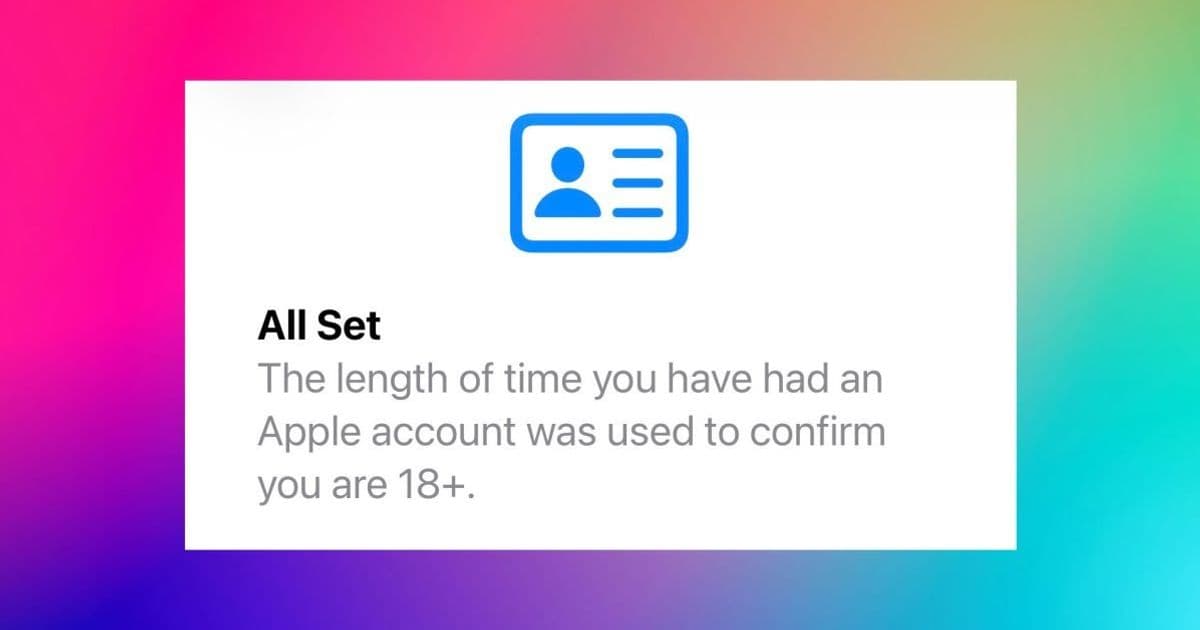
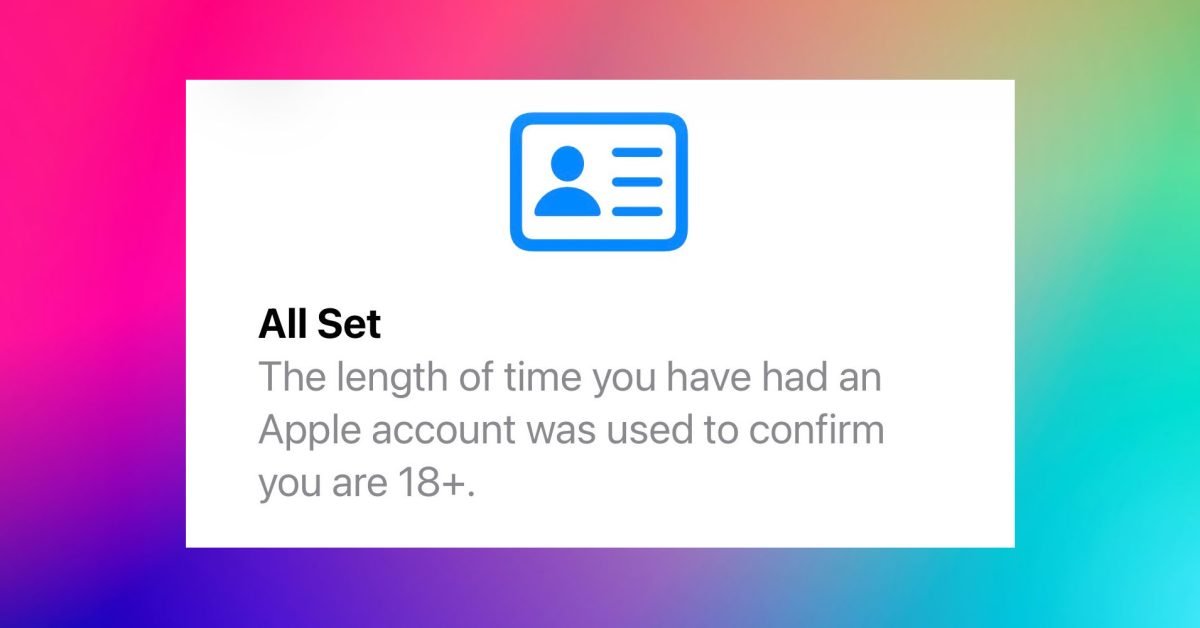
The system works by leveraging existing information Apple already has about users. The company states it may use payment method information or the length of time a user has maintained an Apple Account to confirm adulthood. A valid credit card can serve as proof since opening a credit card account requires being an adult.
For those whose age can be automatically verified, the process involves just three simple steps that take only a few seconds. After installation, users see a prompt in the Settings app explaining the new requirement. The next screen details why the verification is needed and indicates that Apple may already be able to determine the user's age. In cases where automatic verification succeeds, simply tapping "Continue" completes the process.
The UK's Online Safety Act Context
This verification requirement stems from the UK's Online Safety Act, which was primarily marketed to the public as a measure to prevent children from accessing pornography. Under the law, adult websites must carry out age verification if a visitor's IP address indicates they are based in the UK.
However, the practical implementation has raised concerns. Critics point out that tech-savvy teenagers can easily bypass these restrictions using VPNs, rendering the measure less effective than intended. The law's broader impact extends beyond adult content sites to any service that might provide age-gated material, including app stores.
Privacy Implications and User Experience Concerns
The implementation raises significant privacy questions. While Apple's automated approach appears relatively painless for many users, the broader concern is what happens when automatic verification fails. Users may need to scan credit cards or photo IDs to prove their age, potentially exposing sensitive personal information.
Ben Lovejoy argues that Apple should take full responsibility for age verification and then simply confirm to developers that a user has been verified as an adult. This approach would prevent the privacy nightmare of users having to hand over government photo ID and video selfies to numerous different developers.
The current system could also create a poor user experience. Rather than verifying age once with Apple and having that verification recognized across all age-gated apps, users might need to go through the verification process repeatedly for each new app they download.
What This Means for Developers and Users
For app developers, this change means they may no longer need to implement their own age verification systems for UK users, potentially simplifying their development process. However, they'll need to integrate with Apple's verification system to ensure compliance.
For users, the experience varies significantly. Those with established Apple Accounts and payment methods on file may find the process nearly invisible, while others might face more intrusive verification steps. The disparity in user experience based on account history raises questions about fairness and accessibility.
Looking Ahead
As iOS 26.4 moves through its beta phase and toward public release, it will be important to monitor how the verification process evolves and how users respond. The ease with which some users can be verified automatically suggests that Apple's approach could serve as a model for other companies facing similar regulatory requirements.
However, the privacy concerns and potential for inconsistent user experiences mean that this implementation will likely continue to be debated. The tension between regulatory compliance, user privacy, and user experience remains a central challenge for tech companies operating in jurisdictions with strict online safety laws.
The success of Apple's approach may ultimately depend on how well it balances these competing priorities while maintaining the trust of its user base. As more users encounter the verification process, feedback will be crucial in shaping how age verification is implemented across the broader tech ecosystem.
For now, UK iPhone users upgrading to iOS 26.4 beta 2 should be prepared for this new verification step, though many may find it takes less time than reading about it. The real test will come as the system encounters edge cases and users who cannot be automatically verified, revealing whether Apple's approach can scale effectively while protecting user privacy.
Comments
Please log in or register to join the discussion