Chinese government funding is backing traditional Chinese medicine providers to adopt AI for drug discovery, clinical diagnostics, acupuncture robots, and more
Chinese government funding is backing traditional Chinese medicine providers to adopt AI for drug discovery, clinical diagnostics, acupuncture robots, and more
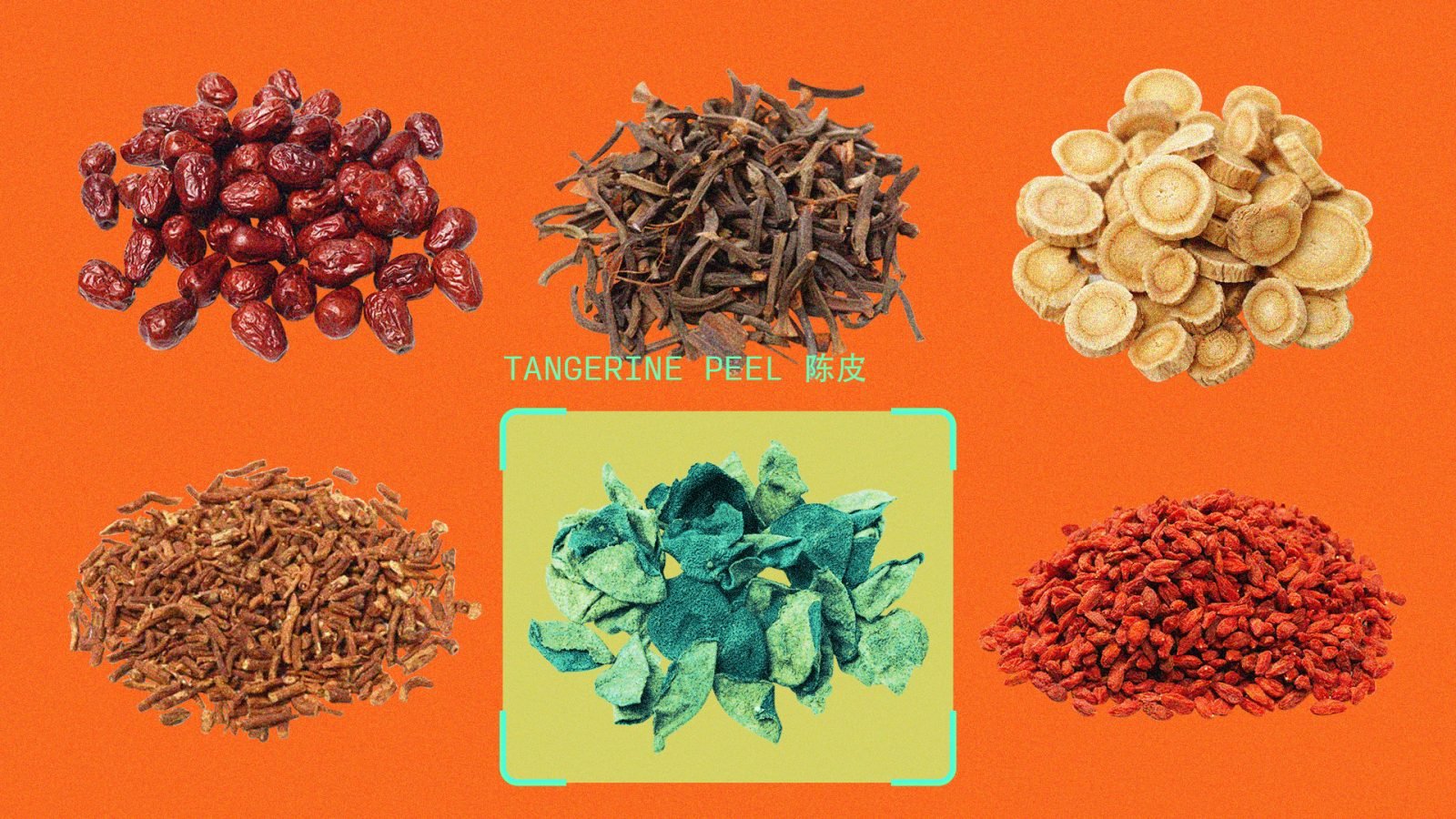
The intersection of ancient healing practices and cutting-edge artificial intelligence is taking shape in China, where government funding is flowing into traditional Chinese medicine (TCM) providers seeking to modernize their practices through AI integration.
The initiative represents a fascinating case study in how authoritarian governments can direct technological adoption across entire sectors. Unlike the fragmented, market-driven approach seen in Western countries, China's centralized funding model allows for coordinated deployment of AI tools across thousands of TCM clinics and research facilities.
AI Drug Discovery in Herbal Medicine
One of the most promising applications involves using machine learning to analyze the complex chemical compositions of traditional herbal remedies. TCM practitioners have long relied on empirical knowledge passed down through generations, but AI systems can now process thousands of historical case studies and modern clinical data to identify which combinations of herbs show the most promise for specific conditions.
This approach addresses a fundamental challenge in TCM: the difficulty of standardizing treatments that traditionally vary based on individual patient characteristics. AI algorithms can identify patterns in successful treatments that human practitioners might miss, potentially leading to more consistent outcomes.
The drug discovery angle is particularly significant given China's ambitions to become a global pharmaceutical leader. By combining AI with their rich herbal medicine tradition, Chinese researchers hope to develop new treatments that could compete with Western pharmaceutical companies while leveraging their unique cultural heritage.
Clinical Diagnostics and Pattern Recognition
Another major focus area involves using computer vision and pattern recognition to assist with TCM diagnostics. Traditional practitioners often examine a patient's tongue, pulse, and other physical indicators to determine imbalances in the body's systems. AI systems trained on millions of diagnostic images can now provide second opinions and help standardize these assessments.
This application raises interesting questions about the role of technology in preserving traditional knowledge. Some practitioners worry that over-reliance on AI could lead to the loss of subtle diagnostic skills that have been refined over centuries. Others see it as a way to preserve and scale expertise that might otherwise be lost as older practitioners retire.
Robotic Acupuncture and Automation
The most visually striking application involves robotic systems for acupuncture and other manual therapies. Several Chinese companies have developed robotic arms capable of performing acupuncture with precision that exceeds human capabilities. These systems use AI to determine optimal needle placement based on patient data and can adjust treatments in real-time based on physiological feedback.
While some patients and practitioners remain skeptical about robot-administered treatments, the technology offers several advantages: consistent pressure application, elimination of human fatigue, and the ability to perform treatments in remote areas where skilled practitioners are scarce.
Global Expansion Strategy
China's government sees this AI-TCM integration as a potential soft power tool for expanding Chinese cultural influence globally. By demonstrating that traditional medicine can be enhanced through modern technology, they hope to increase acceptance of TCM in Western markets.
Several Chinese companies are already marketing AI-enhanced TCM diagnostic tools to clinics in Southeast Asia, Africa, and even some European countries. The pitch typically emphasizes the combination of ancient wisdom with modern precision, appealing to consumers who are skeptical of purely Western medical approaches.
Challenges and Controversies
The initiative faces several significant hurdles. First, there's the fundamental question of whether AI can truly capture the holistic, individualized approach that defines TCM. Critics argue that reducing traditional medicine to data points and algorithms misses the essence of these practices.
Second, there are concerns about data privacy and the centralization of sensitive health information. Chinese government involvement means that patient data collected through these AI systems could potentially be accessed for purposes beyond healthcare.
Third, the quality and consistency of TCM practices vary widely across China, making it difficult to train AI systems on reliable data. Some practitioners use different herb preparations, diagnostic criteria, and treatment protocols, which could lead to inconsistent AI recommendations.
Economic Implications
The government's investment represents a bet that AI-enhanced TCM can become a significant export industry. If successful, this could create a new revenue stream for China while positioning them as leaders in a hybrid approach to healthcare that combines traditional and modern methods.
This strategy also serves domestic economic goals by creating new markets for Chinese tech companies and research institutions. The AI-TCM sector could become a testing ground for broader applications of AI in healthcare, potentially leading to innovations that extend beyond traditional medicine.
The Silicon Valley Perspective
From a Western tech industry viewpoint, China's approach offers both inspiration and caution. The coordinated government funding model demonstrates how quickly AI adoption can occur when political will aligns with technological capability. However, it also highlights the trade-offs between rapid deployment and individual privacy protections.
American and European companies are watching these developments closely, particularly in areas like drug discovery and clinical diagnostics where the underlying AI technologies are similar regardless of the medical tradition being enhanced.
The Chinese government's backing of AI in traditional medicine represents more than just a healthcare initiative—it's a statement about China's technological ambitions and their willingness to blend ancient cultural practices with cutting-edge innovation. Whether this approach will succeed in creating a new model for healthcare delivery remains to be seen, but it's already forcing a global conversation about the role of AI in preserving and evolving traditional knowledge systems.
Comments
Please log in or register to join the discussion