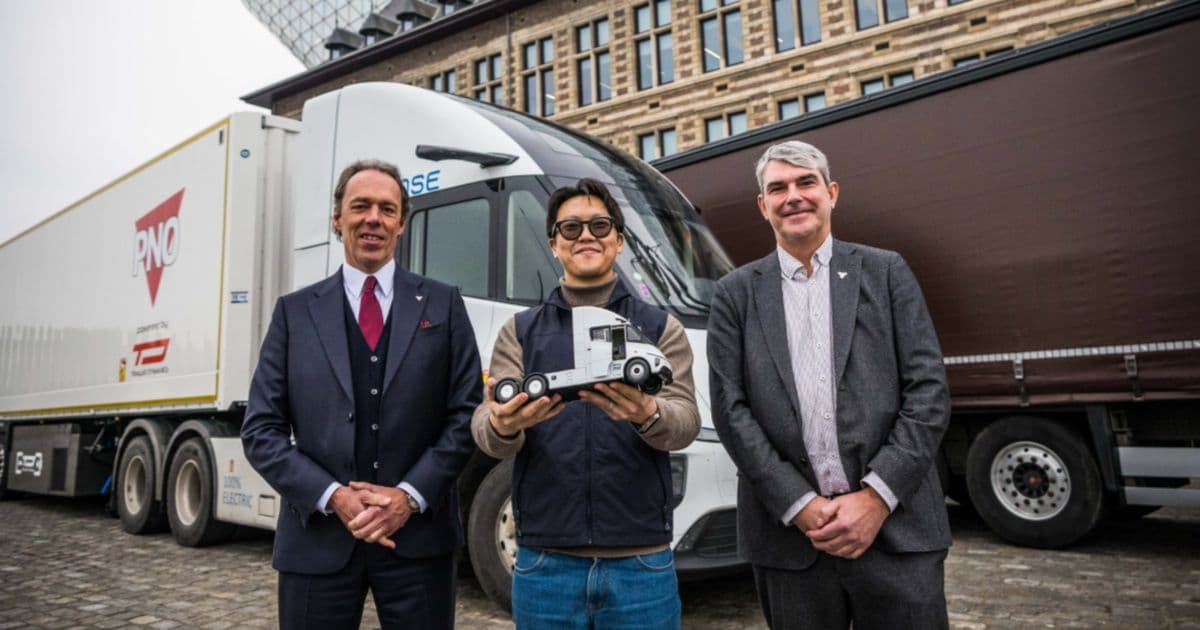
Chinese manufacturers like BYD and Sany are rapidly expanding into Europe's emerging electric truck sector, leveraging their EV expertise to capture market share despite the lack of charging infrastructure.
China's electric truck manufacturers are positioning themselves to dominate Europe's nascent commercial vehicle electrification market, leveraging their established EV expertise to capture significant market share despite infrastructure challenges.
Chinese Manufacturers Lead Market Entry
Chinese companies are moving aggressively into Europe's electric truck sector. BYD, already a major player in electric buses, has expanded into trucks with models like the T10X and T9, targeting European logistics companies. The company has established partnerships with European distributors to accelerate market penetration.
Sany Heavy Industry, the construction equipment giant, raised $1.7 billion in its Hong Kong debut and is now expanding its electric truck offerings for the European market. The company's established manufacturing scale gives it a cost advantage over European competitors.
Windrose, a specialized electric truck manufacturer, has already made moves into the US market and is now setting its sights on Europe. The company's CEO, Han Wen, has been meeting with European port authorities to establish distribution networks.
Infrastructure Challenges Remain
Despite the aggressive expansion, Europe's electric truck ecosystem remains underdeveloped. The lack of charging infrastructure poses a significant barrier to widespread adoption. Unlike passenger EVs, commercial trucks require high-power charging stations that can handle multiple vehicles simultaneously.
European logistics companies report that the total cost of ownership for electric trucks remains higher than diesel equivalents, primarily due to infrastructure costs and charging time. However, tightening emissions regulations in cities like London, Paris, and Amsterdam are creating regulatory pressure that favors electric alternatives.
Market Context and Competition
The electric truck market represents a natural extension of Chinese manufacturers' dominance in the broader EV sector. Chinese companies now control over 70% of the global EV battery market, giving them a significant technology and cost advantage.
European manufacturers like Daimler Truck, Volvo, and Scania are developing their own electric models but face challenges scaling production quickly. The established Chinese manufacturers can leverage their existing EV supply chains and manufacturing expertise.
Strategic Implications
The Chinese expansion into European electric trucks follows a pattern seen in other sectors. Chinese companies first established dominance in their domestic market, then leveraged cost advantages and manufacturing scale to enter Western markets.
For European logistics companies, the choice increasingly involves balancing support for domestic manufacturers against the cost and availability advantages of Chinese alternatives. Some companies have already adopted BYD and Yutong buses despite security concerns raised by regulators.
What's Next
The next 12-24 months will be critical for determining market structure. Key factors include:
- Speed of European charging infrastructure deployment
- Evolution of emissions regulations
- Battery technology improvements reducing charging times
- Potential EU tariffs or trade restrictions on Chinese electric vehicles
Industry analysts suggest that without significant policy support for European manufacturers, Chinese companies could capture 40-50% of the European electric truck market within five years of widespread commercialization.
[Featured image: Chinese electric truck manufacturers are expanding rapidly into Europe's emerging commercial vehicle electrification market. 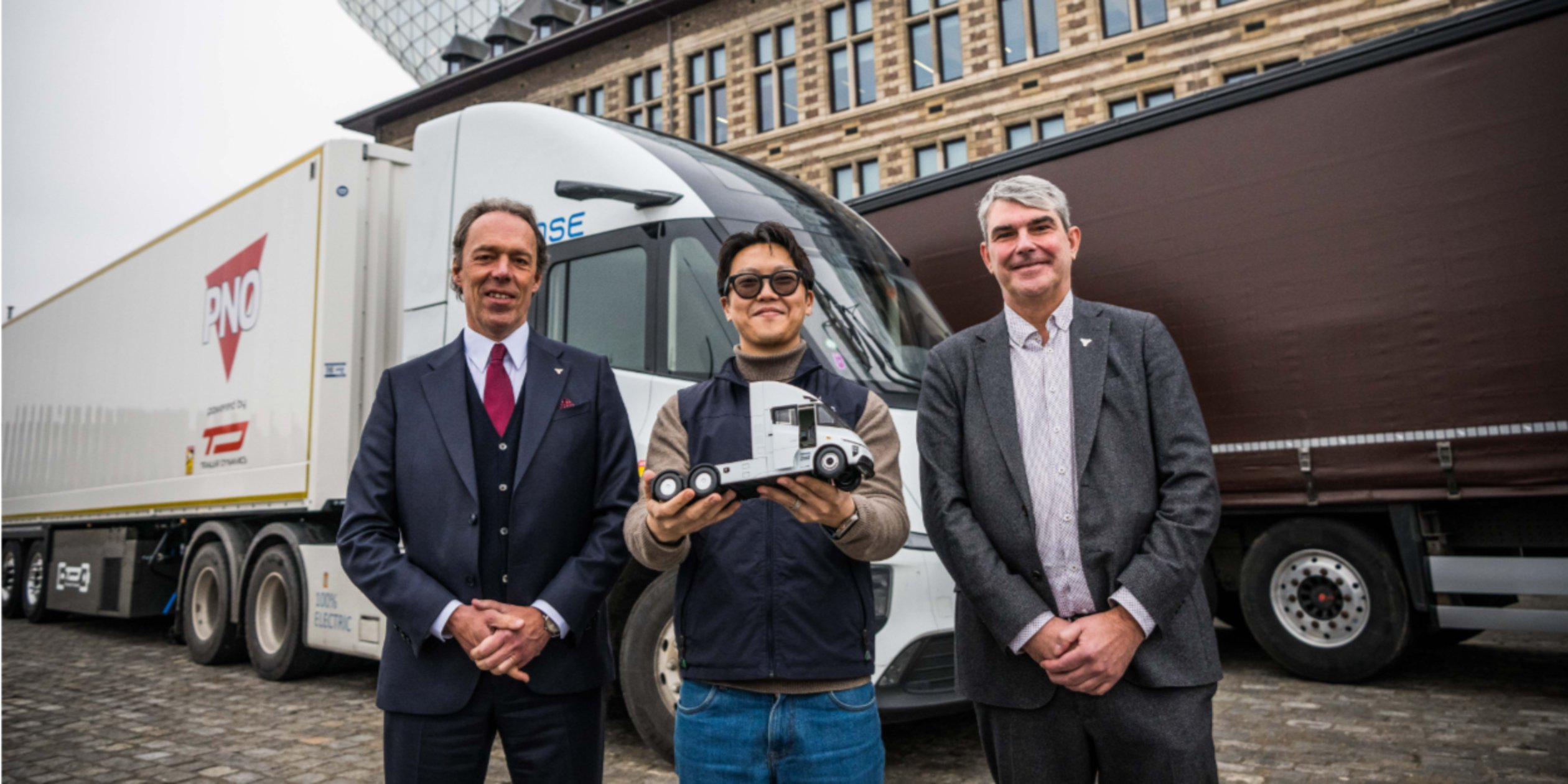 ]
]
The electric truck transition in Europe represents both an environmental imperative and a competitive battleground where Chinese manufacturers are leveraging their established advantages to reshape another segment of the automotive industry.
Comments
Please log in or register to join the discussion