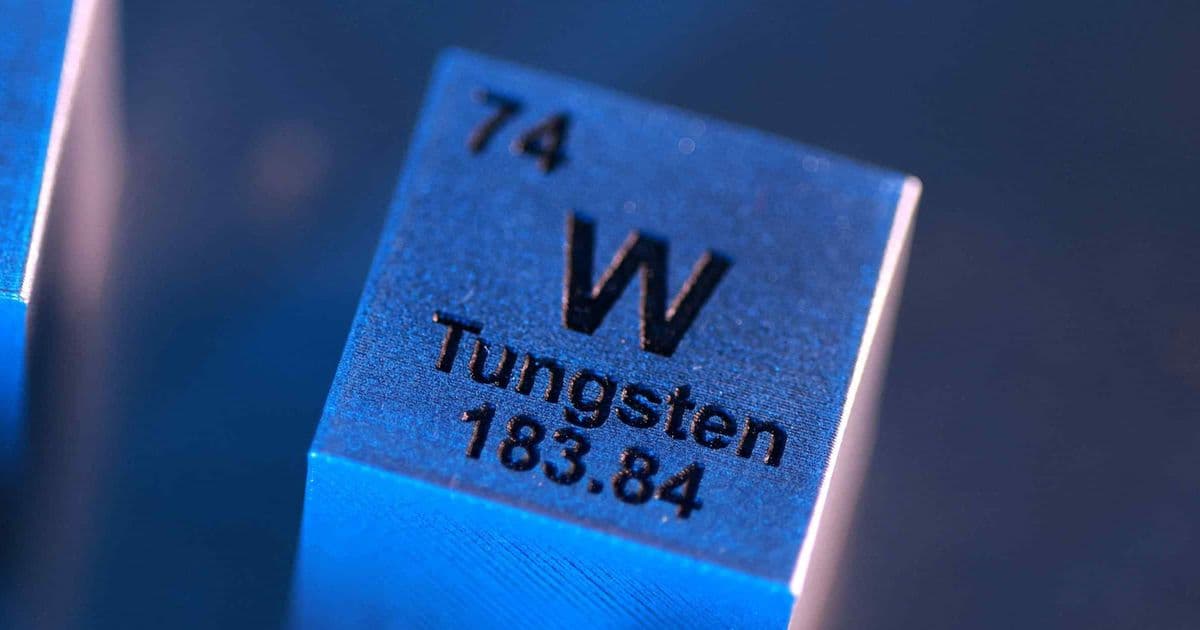
Japan’s tungsten imports from China fell by half in April 2026 after Beijing imposed stricter export limits, prompting Japanese manufacturers to seek alternative sources and accelerate recycling programs.
China’s tungsten exports to Japan halve amid tightened controls
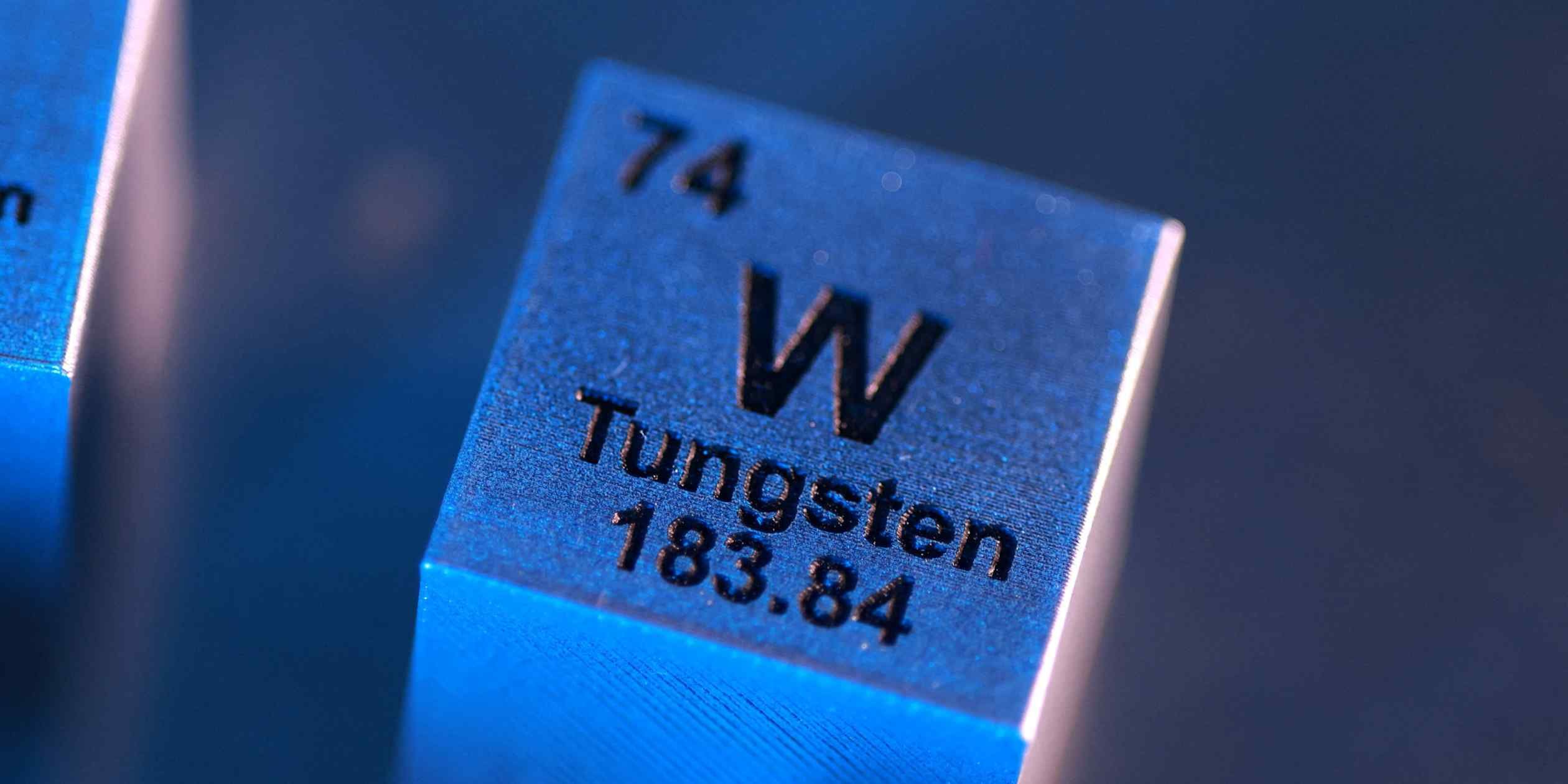
Japan’s imports of tungsten from China fell 50 % in April 2026 compared with the 2025 monthly average, according to customs data released by the Ministry of Finance. The decline follows Beijing’s decision in February to lower the quota for exported tungsten concentrates and to impose tighter licensing requirements on downstream processors.
Market context
- Export volume: In April, Japan received 1,200 tonnes of refined tungsten from China, down from 2,400 tonnes in the same month a year earlier. The overall value of those imports dropped from ¥420 billion to ¥210 billion.
- Price reaction: Spot prices for tungsten carbide on the London Metal Exchange rose from $31,000 per tonne in January 2026 to $38,500 per tonne by the end of April, a 24 % increase driven by the supply shock.
- Supply chain exposure: Prior to the curbs, China supplied roughly 70 % of Japan’s tungsten needs, with the remainder sourced from the United States, Vietnam, and a small amount of recycled material.
- Alternative sources: Japanese firms have accelerated purchases from the United States, Singapore, and Vietnam. Mitsubishi Materials announced a $120 million investment in a joint venture with a Vietnamese miner to secure 300 tonnes of annual output starting in 2027.
- Recycling push: Mitsubishi Materials and Sumitomo Electric have each increased their internal recycling capacity by 15 %, aiming to offset up to 200 tonnes of annual demand.
What it means for Japanese manufacturers
- Cost pressure on cutting‑tool makers – Companies such as Mitsubishi Materials and Sumitomo Electric rely on tungsten carbide for high‑precision drills and inserts. The price surge is expected to lift their production costs by 3‑5 % in the second half of 2026, which may be passed on to automotive and aerospace customers.
- Strategic diversification – The sharp drop in Chinese supply is accelerating a shift toward a more geographically balanced procurement strategy. Firms are signing long‑term contracts with suppliers in the United States and Vietnam, and are exploring copper‑based alternatives for lower‑cost applications.
- Increased recycling activity – Recycling of scrap tungsten from electronic waste and machining debris is becoming a core part of supply‑risk mitigation. Mitsubishi Materials plans to double its scrap‑reprocessing throughput by 2028, targeting a 10 % contribution to its total tungsten input.
- Potential impact on downstream industries – Beyond cutting tools, tungsten is a critical component in semiconductor manufacturing and military ammunition. Higher raw‑material costs could tighten margins for chipmakers and defense contractors that source from Japanese suppliers.
- Policy implications – The export curbs reflect Beijing’s broader effort to conserve strategic minerals for domestic high‑tech sectors. Japanese industry groups are lobbying the Ministry of Economy, Trade and Industry for subsidies to support domestic recycling and for diplomatic engagement to secure more stable export arrangements.
Outlook
If China maintains the current quota level, analysts project that Japan’s reliance on Chinese tungsten could fall to 45 % by 2028, down from 70 % in 2025. The transition will likely involve higher short‑term costs but could improve supply‑chain resilience in the long run. Monitoring the evolution of China’s export licensing regime and the pace of new recycling facilities will be essential for forecasting price trends in the tungsten market.
Comments
Please log in or register to join the discussion