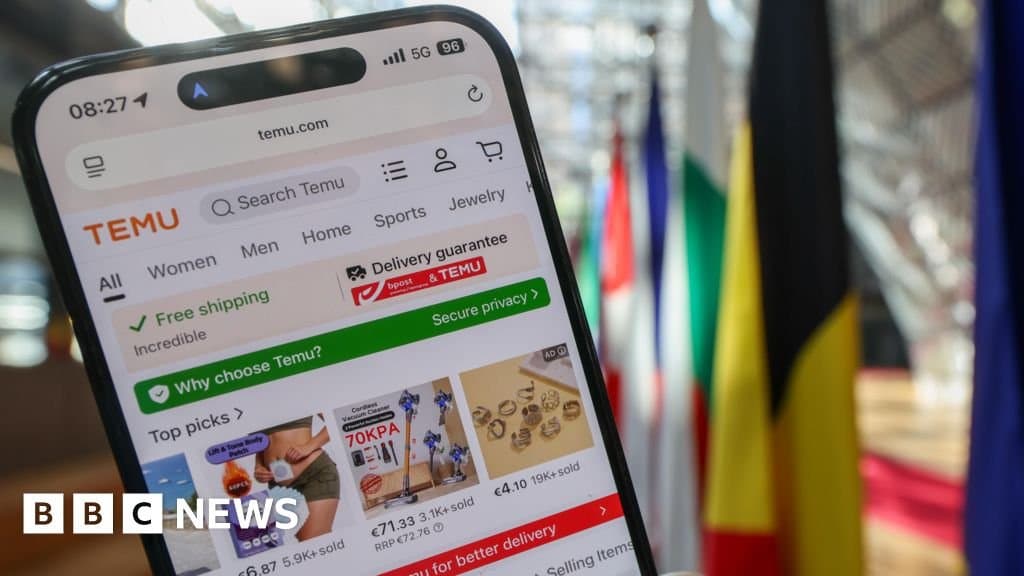
The European Commission fined Chinese‑owned marketplace Temu €200 m for selling dangerous baby toys and faulty chargers, citing a failure to manage systemic product risks. While regulators hail the penalty as a needed deterrent, Temu disputes its size and argues recent safety upgrades are not reflected in the ruling.
A heavy fine signals tougher enforcement of online‑marketplace safety
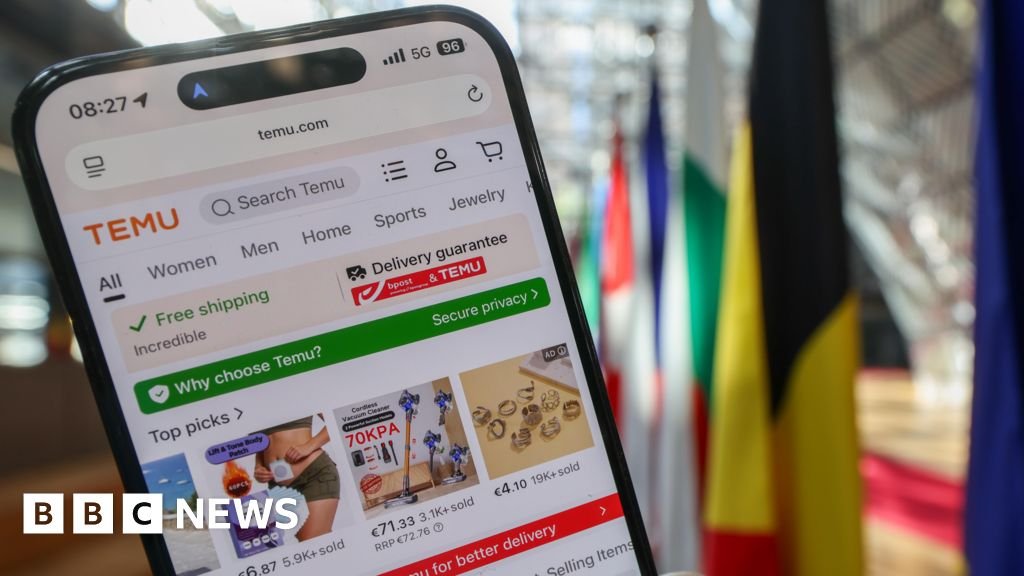
The European Union has imposed a €200 million penalty on Temu, the Chinese‑owned e‑commerce platform that has surged in popularity across Europe. The fine, announced by the European Commission, follows a year‑long investigation into whether Temu complies with its obligations as a Very Large Online Platform under the Digital Services Act (DSA). Regulators say the company repeatedly allowed unsafe products—most notably hazardous baby toys and non‑compliant chargers—to reach consumers.
Evidence that convinced Brussels
- Independent testing uncovered systemic failures – A mystery‑shopping exercise conducted by a third‑party lab found that a large share of chargers bought on Temu failed basic electrical safety tests. The same study flagged a high incidence of baby toys containing chemicals above EU limits or featuring detachable parts that could cause suffocation.
- Repeated non‑compliance despite warnings – The Commission’s report notes that Temu was notified of these issues as early as October 2024, yet it did not put in place robust risk‑assessment procedures or an effective product‑removal workflow.
- Formal DSA breach – By not “diligently identify[ing], analyse[ing] and assess[ing] the systemic risks” of the goods on its platform, Temu breached the DSA’s core safety obligations, prompting the €200 m sanction and a requirement to submit an action plan by 28 August.
Counter‑perspectives from Temu and industry observers
Temu’s response has been swift and defensive. In a statement the company called the fine “disproportionate” and emphasized that the decision is based on data from 2024, not reflecting the safety upgrades it has implemented since then. Temu says it is reviewing “all available options,” a phrasing that typically signals an appeal or request for a reduced penalty.
Consumer watchdog Which? welcomed the decision, arguing that it sets a necessary precedent for holding marketplaces accountable. Sue Davies, head of consumer‑protection policy at Which?, urged the UK to adopt similar measures under its new Product Regulation and Metrology Act, suggesting that the EU’s approach could become a benchmark for other jurisdictions.
What the fine means for the broader market
- Regulatory momentum – This is only the second DSA‑related monetary penalty, following a €120 m sanction against Elon Musk’s X platform. The EU appears ready to use its new powers to enforce product‑safety standards, not just content rules.
- Potential ripple effects for other platforms – Companies like Shein, Wish, and Amazon may face heightened scrutiny, especially if they host third‑party sellers without rigorous vetting processes.
- Risk of over‑penalisation – Critics argue that a €200 m fine could cripple a rapidly growing business and stifle competition, especially if the penalty does not proportionally reflect the actual harm caused. They point out that the DSA’s enforcement mechanisms are still being tested in courts, and excessive fines could invite legal challenges that delay corrective action.
Looking ahead
The Commission will assess Temu’s action plan over the next two months. If the platform can demonstrate concrete steps—such as mandatory safety certifications for sellers, automated product‑screening algorithms, and a transparent recall process—it may mitigate part of the sanction. However, the fine itself sends a clear message: the EU will not tolerate marketplaces that allow unsafe goods to slip through.
For consumers, the immediate takeaway is to remain vigilant when purchasing low‑cost items from cross‑border platforms. For the industry, the lesson is that compliance with the DSA is no longer a box‑checking exercise; it requires ongoing, data‑driven risk management.
Sources: European Commission press release, Euronews reporting, Which? commentary
Comments
Please log in or register to join the discussion