RayNeo introduced the GT series AR glasses with a 59° field of view and a 78 g chassis, plus the V4 AI shooting glasses that promise a 0.2 s AI response and IP protection. The company cites market‑share data and a new funding round, but the specifications raise questions about optical performance, latency sources, and real‑world durability.
RayNeo’s New Glasses: What’s Being Promised
On May 27, 2026, TCL’s AR brand RayNeo rolled out two products at a live launch:
- GT series AR glasses – 59° field of view (FOV), 78 g weight, priced at 1,899 CNY (~$262).
- V4 AI shooting glasses – AI inference latency of 0.2 s, dust‑ and water‑resistance (IP rating), priced at 2,199 CNY (~$304).
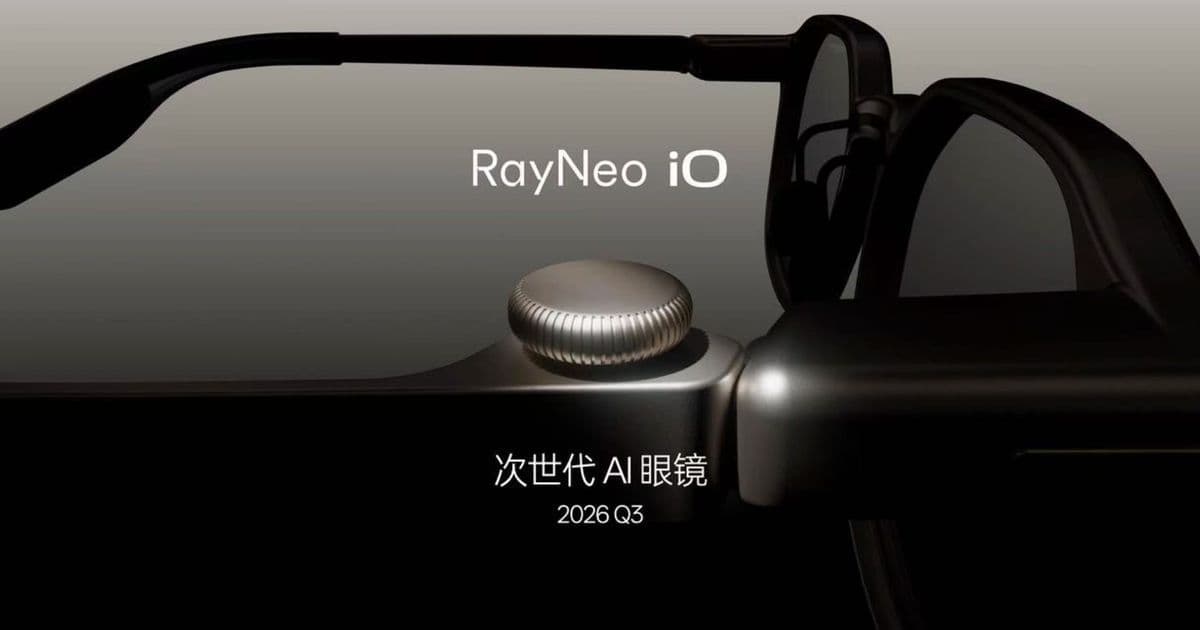
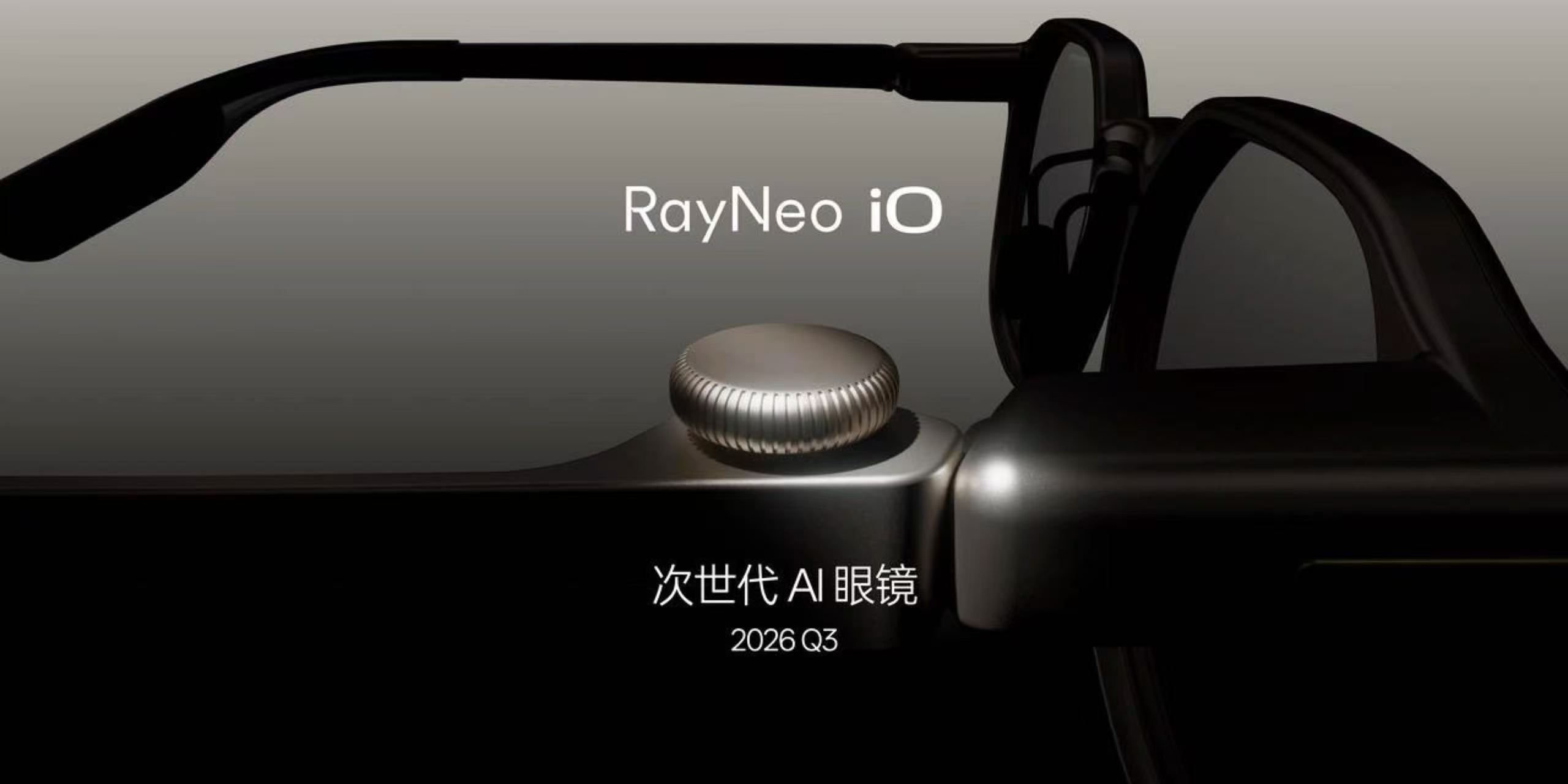
The company also announced a fresh financing round of over 1 billion CNY and a preview of a future “iO” AI glasses.
What’s Actually New?
1. Field‑of‑View Claim
The GT series advertises a 59° diagonal FOV, which RayNeo calls the “largest in the industry.” In practice, most consumer‑grade AR headsets sit between 40° and 50° diagonal. A 59° diagonal translates to roughly 52° horizontal and 30° vertical, still modest compared to the 70°+ used in enterprise‑focused optical see‑through devices. The claim is notable but not a step change; it mainly reflects a larger waveguide or a different lens design rather than a new optical architecture.
2. Weight and Form Factor
At 78 g, the GT glasses are lighter than many competitors (e.g., Microsoft HoloLens 2 at 566 g, Magic Leap 2 at 316 g). The weight advantage comes from a minimalist housing and the omission of batteries in the frame – power is supplied via a small external pack. This makes the device comfortable for short sessions but limits all‑day use without a tether.
3. AI Latency Figure
The V4 glasses tout a 0.2 s end‑to‑end response for AI tasks such as object detection and scene labeling. RayNeo attributes the speed to a custom inference chip running Alibaba’s Qwen language‑vision model. The 0.2 s figure appears to measure the time from sensor capture to overlay update, not the raw model inference time (which is likely in the 10‑20 ms range). The overall latency includes sensor readout, image pre‑processing, and display refresh, all of which add up. For real‑time shooting assistance, 200 ms is acceptable, but it will feel sluggish for interactive AR where sub‑100 ms is the norm.
4. IP Rating
The V4 glasses are the first RayNeo products with an IP rating (the exact code was not disclosed). Assuming a minimum of IP54, the glasses can survive light rain and dust, which is a practical improvement for field use. However, the rating does not guarantee full submersion or protection against fine particulate ingress that can degrade waveguide optics over time.
5. Pricing Context
At roughly $260–$300, the GT and V4 sit in a sweet spot between low‑end smartphone‑attached viewers ($150) and high‑end enterprise headsets ($1,500+). The price is competitive if the optical performance and AI capabilities meet expectations, but the market already offers alternatives with larger FOVs or higher refresh rates at similar cost.
Limitations and Open Questions
| Aspect | Claimed Spec | Practical Concern |
|---|---|---|
| FOV | 59° diagonal | Still narrower than many enterprise devices; may limit immersive cinema‑grade claims. |
| Weight | 78 g | Relies on external battery pack; true all‑day wear still constrained. |
| AI latency | 0.2 s end‑to‑end | Includes sensor and display pipeline; not pure model inference. Sub‑100 ms needed for fluid interaction. |
| Durability | IP rating (unspecified) | Likely IP54; not waterproof for heavy rain or swimming. |
| Display | Not disclosed (resolution, refresh rate) | Without clear specs, it’s hard to assess visual fidelity or motion blur. |
| Battery life | Not mentioned | External pack suggests limited runtime; no official hours provided. |
Software Ecosystem
RayNeo’s announcement did not include a developer SDK or details on supported operating systems. The AI pipeline appears to be a closed‑source service tied to Alibaba’s cloud, which could raise latency for offline scenarios and limit customization for third‑party apps.
Market Share Claim
The company cited a “#1 global sales volume in 2025” figure. Independent market trackers (e.g., IDC, Canalys) have not yet published AR headset shipments for 2025, and the metric likely counts low‑cost consumer units rather than enterprise deployments. Without transparent data, the claim should be treated cautiously.
How This Fits Into the Broader AR Landscape
- Hardware trend – Manufacturers continue to push lighter optics and modest FOV expansions. RayNeo’s numbers are incremental, not disruptive.
- AI on‑device – The V4’s 0.2 s response shows progress in integrating vision models locally, but the reliance on a cloud‑backed Qwen model could become a bottleneck for privacy‑sensitive use cases.
- Pricing pressure – As more Chinese firms (e.g., Rokid, Nreal) release sub‑$300 headsets, RayNeo’s pricing is in line, but differentiation will hinge on software and ecosystem support rather than raw specs.
Bottom Line
RayNeo’s GT series and V4 AI glasses bring a few tangible upgrades – a slightly wider field of view, a lighter frame, and a faster AI pipeline – but they stop short of delivering the immersive experience implied by “cinema‑grade” marketing language. The 0.2 s AI latency is a respectable engineering target, yet it still leaves room for perceptible lag in interactive scenarios. Prospective buyers should weigh the modest optical improvements against the lack of disclosed display specs, limited battery autonomy, and an ecosystem that remains largely closed.
Further reading
- RayNeo product page – https://www.rayneotech.com/gt-series
- Alibaba Qwen model overview – https://github.com/alibaba/Qwen
- IDC AR headset shipment forecast 2024‑2026 – https://www.idc.com/getdoc.jsp?containerId=prUS51112321
Comments
Please log in or register to join the discussion