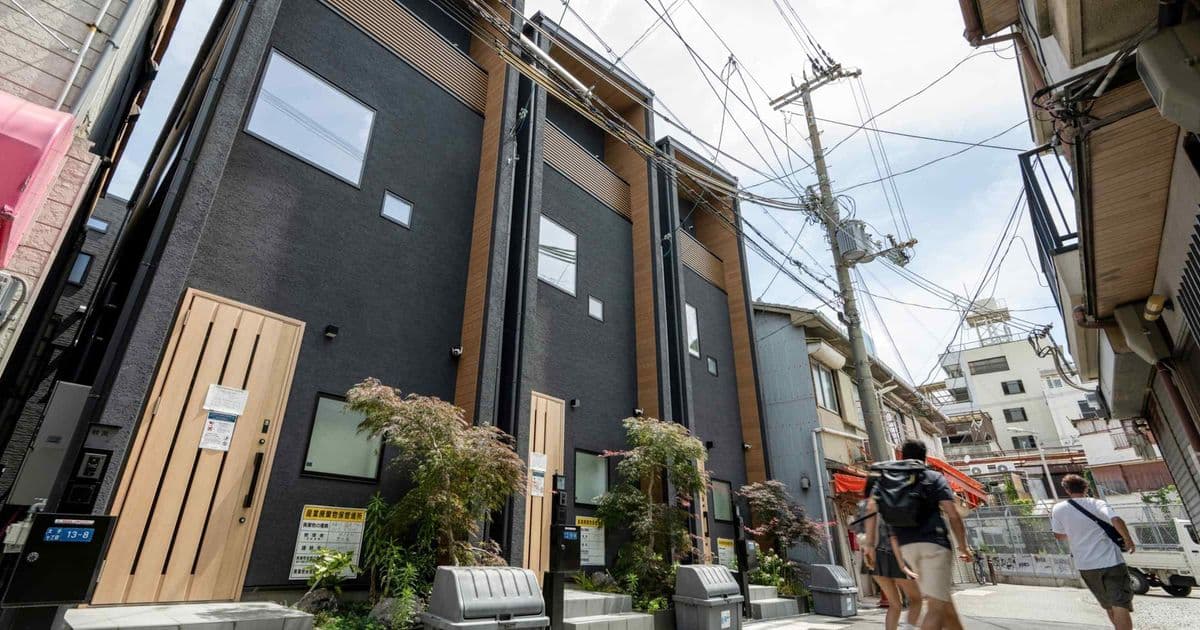
Tightened licensing rules and stricter enforcement in Osaka have halved bookings for a leading Chinese‑run minpaku platform, while the broader decline in Chinese outbound travel cuts revenue and forces owners to reconsider their Japan strategy.
Chinese‑owned minpaku face a double hit in Osaka
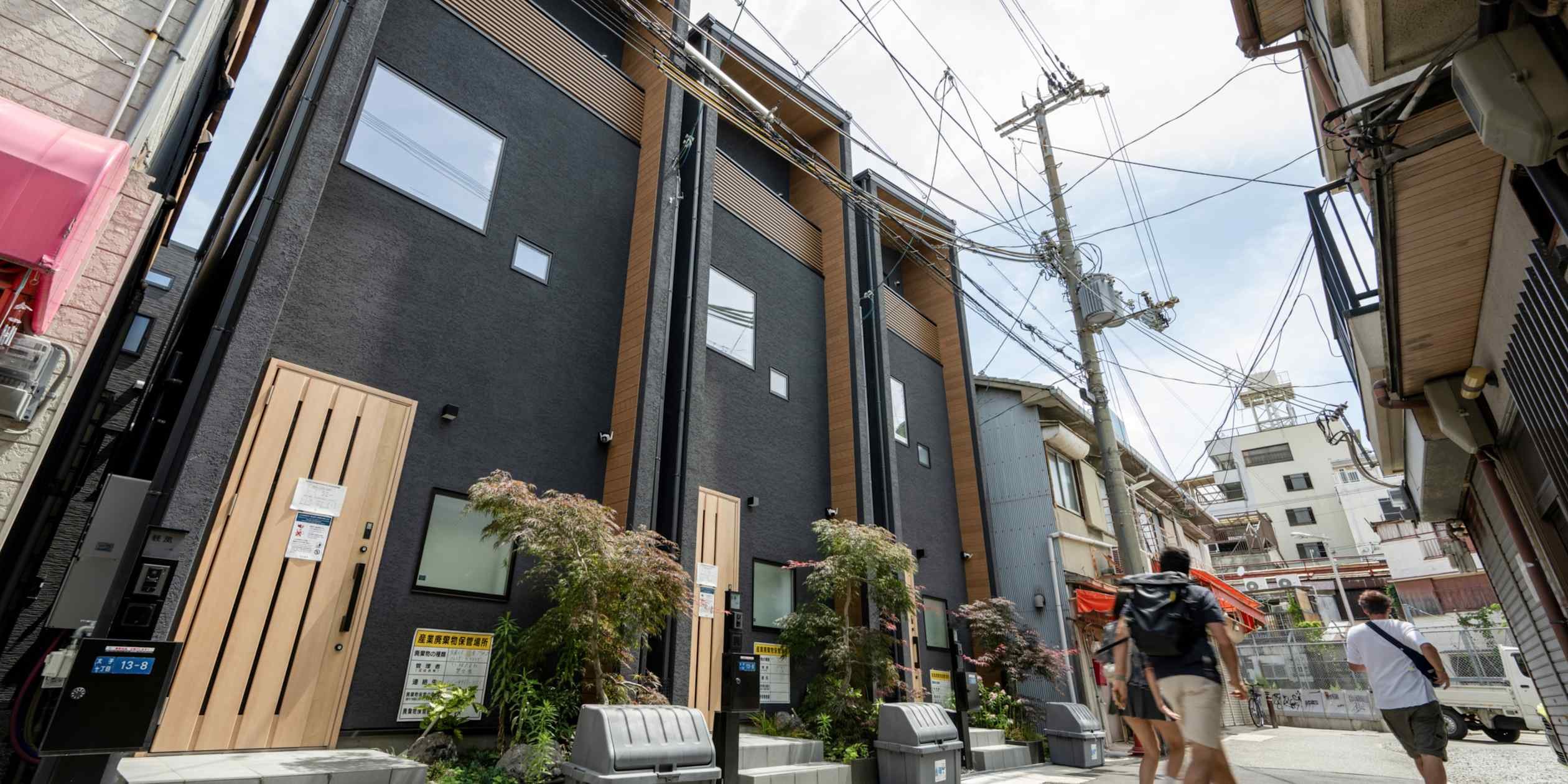
New apartment‑style lodgings, known locally as minpaku, have long been a low‑cost entry point for Chinese investors seeking to profit from Japan’s pre‑COVID tourism boom. In Osaka’s Nishinari Ward, rows of converted houses that once catered to Chinese tourists now sit half‑empty. One operator, which runs about 120 units across the city, reported that average occupancy fell from 68 % in 2023 to just 32 % in the first quarter of 2026 – a drop of roughly half its pre‑regulation level.
Market context: policy tightening and visitor flows
| Metric | 2023 | 2024 | 2025 | Q1 2026 |
|---|---|---|---|---|
| Osaka inbound Chinese visitors (millions) | 1.9 | 1.5 | 1.2 | 0.6 |
| Minpaku licences issued (city‑wide) | 4,200 | 3,800 | 3,300 | 2,900 |
| Average nightly rate (¥) | 7,200 | 7,500 | 7,800 | 8,100 |
The table shows two converging trends. First, the Osaka municipal government reduced the pool of permissible minpaku licences from 4,200 to 2,900 between 2023 and early 2026, citing concerns over neighborhood disruption and fire‑safety compliance. Second, the Japan National Tourism Organization (JNTO) recorded a 68 % plunge in Chinese arrivals to Osaka since the end of 2023, a decline driven by stricter visa‑on‑arrival rules and the lingering impact of the pandemic‑related travel bubble suspension.
The regulatory shift is not limited to Osaka. Tokyo, Kyoto and Fukuoka have all introduced minimum‑stay requirements (three nights for new licences) and mandatory on‑site fire‑safety inspections. The Ministry of Land, Infrastructure, Transport and Tourism (MLIT) estimates that over 1.2 million minpaku rooms nationwide could lose their operating permits by 2028 if current trends continue.
What it means for Chinese investors and the Osaka lodging market
- Revenue pressure forces consolidation – The operator mentioned above is already negotiating a sale of 45 % of its portfolio to a domestic hotel chain for ¥12 billion, a move that would give it access to the chain’s compliance infrastructure while exiting the most vulnerable segments.
- Shift toward longer‑stay, higher‑margin models – With the three‑night minimum now standard, owners are re‑configuring units to appeal to business travelers and digital nomads, who are less price‑sensitive and generate higher per‑night revenue (average ¥9,200 vs ¥7,800 for short‑stay tourists).
- Potential for policy lobbying – Industry groups such as the Japan Vacation Rental Association are preparing a joint proposal to the Osaka city council, asking for a phased licence reduction that would allow existing operators to retain permits if they meet upgraded safety standards.
- Impact on Chinese outbound travel agencies – Agencies that previously bundled Osaka minpaku stays into group tours are revising itineraries, favoring city‑center hotels that can guarantee compliance. This re‑allocation could benefit established hotel chains, which reported a 4.3 % YoY rise in Osaka bookings for Q1 2026.
Strategic outlook
For investors, the data suggest a short‑term contraction in the Osaka minpaku segment, but also an opportunity to pivot toward regulated short‑term rentals that meet new safety and stay‑duration criteria. Companies that can quickly upgrade fire‑suppression systems, install digital key‑card access, and partner with local property‑management firms are likely to retain a foothold in the market.
From a policy perspective, Osaka’s approach reflects a broader national trend: balancing tourism growth with community quality of life. If the city’s stricter licensing regime proves effective at reducing complaints and improving safety, other prefectures may adopt similar measures, reshaping the economics of peer‑to‑peer lodging across Japan.
For further reading on Japan’s minpaku reforms, see the Ministry of Land, Infrastructure, Transport and Tourism’s official guidelines.
Comments
Please log in or register to join the discussion