The second‑quarter update from SourceHut details behind‑the‑scenes work on grant proposals, DDoS mitigation, spam‑account countermeasures, and a series of user‑visible improvements—including deploy‑key support, SHA‑256 SSH fingerprints, and a growing GraphQL API ecosystem—while previewing upcoming financial reporting, anonymous API access, and EU‑centric billing migration.
SourceHut Q2 2026 – What’s Cooking?
SourceHut’s quarterly dispatch arrives with a tone that is less about flashy new features and more about the invisible labor that keeps the service humming. Drew, the project’s steward, and Conrad, the operations lead, each paint a picture of a platform that is simultaneously defending its borders, polishing its internals, and laying groundwork for a more developer‑friendly future.
The Core Argument: Stability Through Unseen Work
At first glance the update may feel “boring” because the most visible changes are modest. Yet the underlying argument is clear: a robust, open‑source forge must invest heavily in the plumbing that users never see. Drew’s focus on grant‑writing, tax compliance, and routine bug‑fixes is a reminder that the health of a free‑software service depends on a mix of community goodwill and sustainable financing. Conrad’s account of DDoS attacks and spam‑account campaigns underscores that security and abuse mitigation are not optional add‑ons; they are integral to preserving the trust that developers place in the platform.
Key Arguments and Supporting Evidence
1. Invisible Labor as a Foundation for Future Growth
- Grant proposal work – Drew spent the quarter drafting a joint EU funding request with other open‑source forges. While the outcome is pending, the effort signals a strategic push toward diversified revenue streams, reducing reliance on ad‑hoc donations.
- Financial housekeeping – Tax season demanded meticulous bookkeeping, and the upcoming annual financial report will provide transparency for contributors and donors alike.
2. Resilience Against Network‑Level Attacks
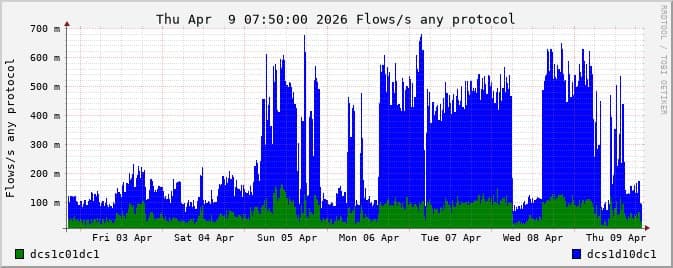
- DDoS mitigation – Conrad shares a network traffic graph (see
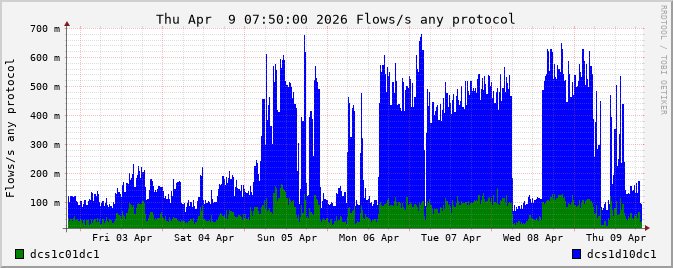 ) that illustrates baseline traffic mingled with spikes targeting SourceHut alone. The attacks exposed internal routing inefficiencies, prompting a migration of inter‑service calls from public to private interfaces. This fix not only absorbed the attack but also improved overall latency.
 - Spam‑account surge – Over 300 fake accounts appeared in a single month, primarily using Gmail addresses. The team responded by blocking abusive domains and introducing a keyword‑based abuse detection system that automatically suspends accounts matching suspicious patterns. The approach, while blunt, boasts near‑perfect detection accuracy.
3. User‑Visible Improvements That Matter
- Deploy‑key support – The new “Access” tab in repository settings lets users add SSH keys scoped to a single repository, with optional read‑only or read‑write permissions. This fills a long‑standing gap for CI pipelines and automated bots.
- SHA‑256 fingerprints – Moving away from legacy MD5 fingerprints to SHA‑256 across the meta.sr.ht SSH handling improves security and aligns with modern cryptographic best practices.
- GraphQL API expansion – Simon Martin’s work has turned the project hub into a writable GraphQL endpoint, enabling programmatic creation and modification of projects and resources. Upcoming work aims to adopt the “connections” specification for pagination, paving the way for more uniform client libraries.
- Build system experimentation – A prototype Go implementation of the builds.sr.ht shell has passed an RFC phase, hinting at a future where the build orchestration layer is leaner and faster than the current Python‑based version.
4. Community Contributions Remain Vital
- PGP key management – CismonX added the ability to update existing PGP keys, a small but significant usability boost for security‑conscious users.
- Build image updates – Volunteers refreshed FreeBSD to 14.4, dropped the EOL 13.x branch, and made incremental Debian improvements. Haowen Liu began porting Ubuntu 25.10 and 26.04, signaling broader OS support.
Implications for Users and the Open‑Source Ecosystem
- Enhanced Automation – Deploy‑key granularity and the forthcoming anonymous API access will lower the friction for CI/CD integrations, making SourceHut a more attractive option for teams that value privacy and fine‑grained permissions.
- Improved Security Posture – The swift response to DDoS and spam attacks demonstrates a proactive security culture. Other small forges can look to SourceHut’s keyword‑based abuse detection as a template for low‑cost, high‑accuracy spam mitigation.
- Financial Sustainability – By pursuing EU grant funding and streamlining billing migration, SourceHut is positioning itself to weather the fiscal uncertainties that plague many volunteer‑run services.
- API Maturity – The move toward a fully featured GraphQL API, complete with pagination standards, will likely attract developers who prefer schema‑driven interactions over REST, potentially expanding the ecosystem of third‑party tools built on top of SourceHut.
Counter‑Perspectives and Potential Risks
- Grant dependence – While EU funding could provide a vital cash infusion, reliance on external grants may introduce compliance overhead and could shift the project’s priorities toward grant‑related deliverables rather than community‑driven features.
- Keyword‑based abuse detection – The system’s 100 % detection claim is impressive, yet the risk of false positives remains. Over‑zealous keyword lists could inadvertently suspend legitimate users, especially those with niche terminology in their bios.
- Transition to Go for builds.sr.ht – Rewriting core components in a new language carries migration risk. Existing plugins and extensions written for the Python shell may need adaptation, potentially fragmenting the user base if not managed carefully.
- EU‑centric billing – Moving all customers into an EU billing framework simplifies tax handling for the organization but may introduce friction for non‑EU users who must navigate different invoicing requirements.
Looking Ahead
The upcoming quarter promises a blend of administrative deliverables—annual financial reporting and billing migration—and technical milestones, notably anonymous API access and a more standardized GraphQL schema. If the team can maintain its current pace of invisible labor while delivering these user‑facing enhancements, SourceHut will continue to solidify its reputation as a minimalist yet resilient forge for developers who value transparency and control.
For a deeper dive into the network traffic graph referenced above, see the provider’s dashboard snapshot included in the original update.
Comments
Please log in or register to join the discussion