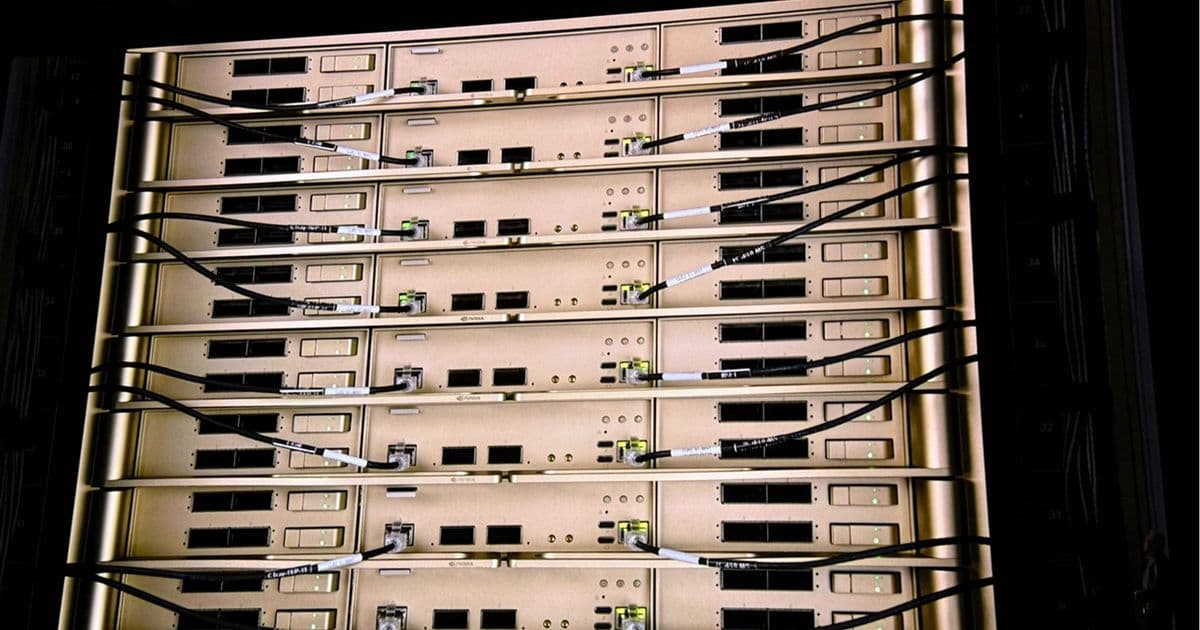
Chinese AI developers are negotiating cloud-based access to Nvidia's upcoming Rubin GPUs to maintain competitiveness, though operational limitations and financial constraints may hinder deployment effectiveness.
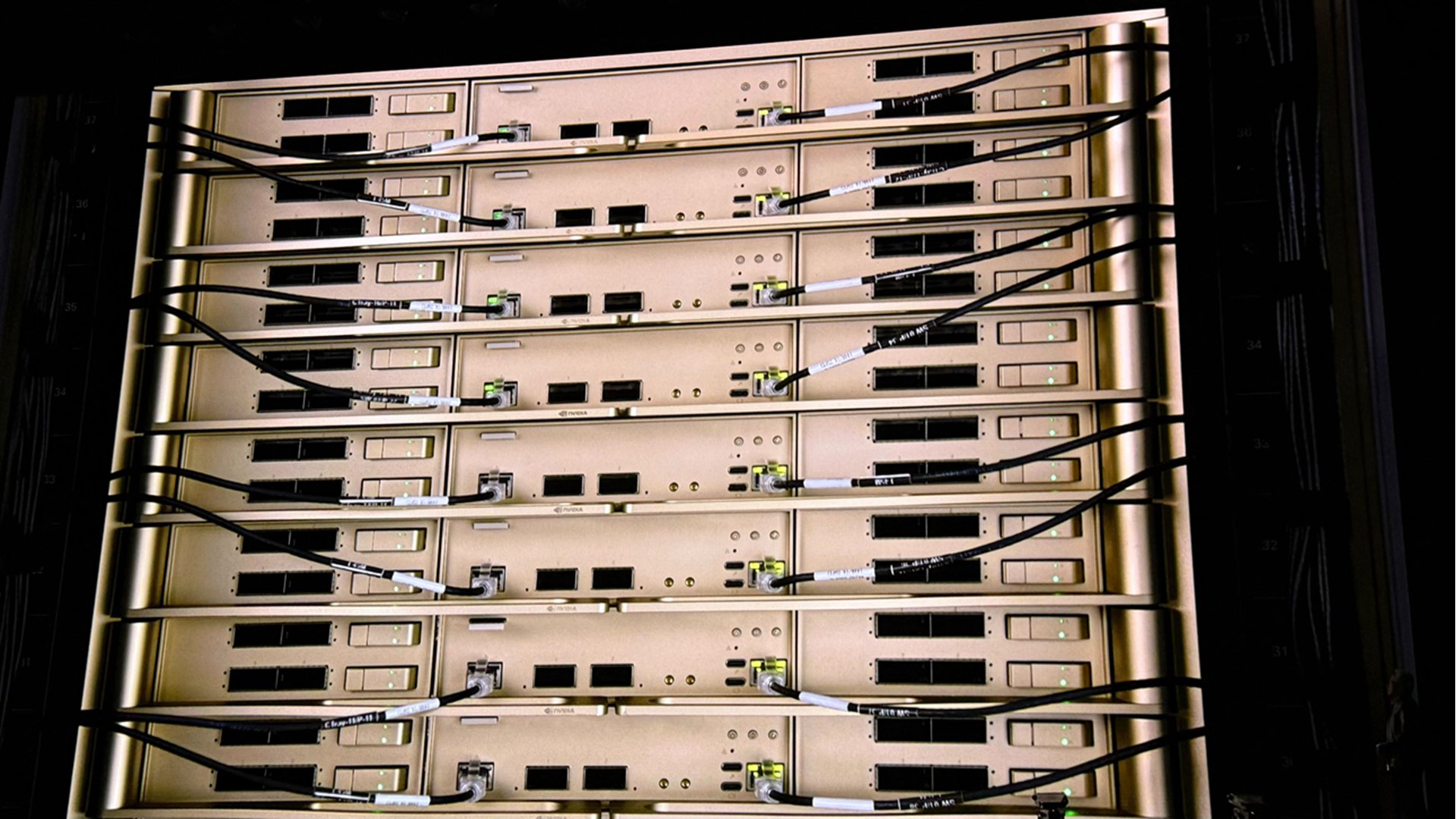
Chinese AI developers are actively pursuing cloud-based access to Nvidia's next-generation Rubin GPUs to overcome hardware limitations imposed by U.S. export controls. This strategy involves renting computational capacity through data centers in Southeast Asia and the Middle East rather than purchasing the hardware directly.
Technical Workaround Mechanics
Nvidia's Rubin architecture represents a significant performance leap over current Blackwell systems, featuring enhanced tensor core designs and memory bandwidth optimizations crucial for large-scale model training. Chinese firms seek access to Rubin-based systems like the NVL144 GR200 configurations, which combine multiple GPUs with specialized networking hardware.
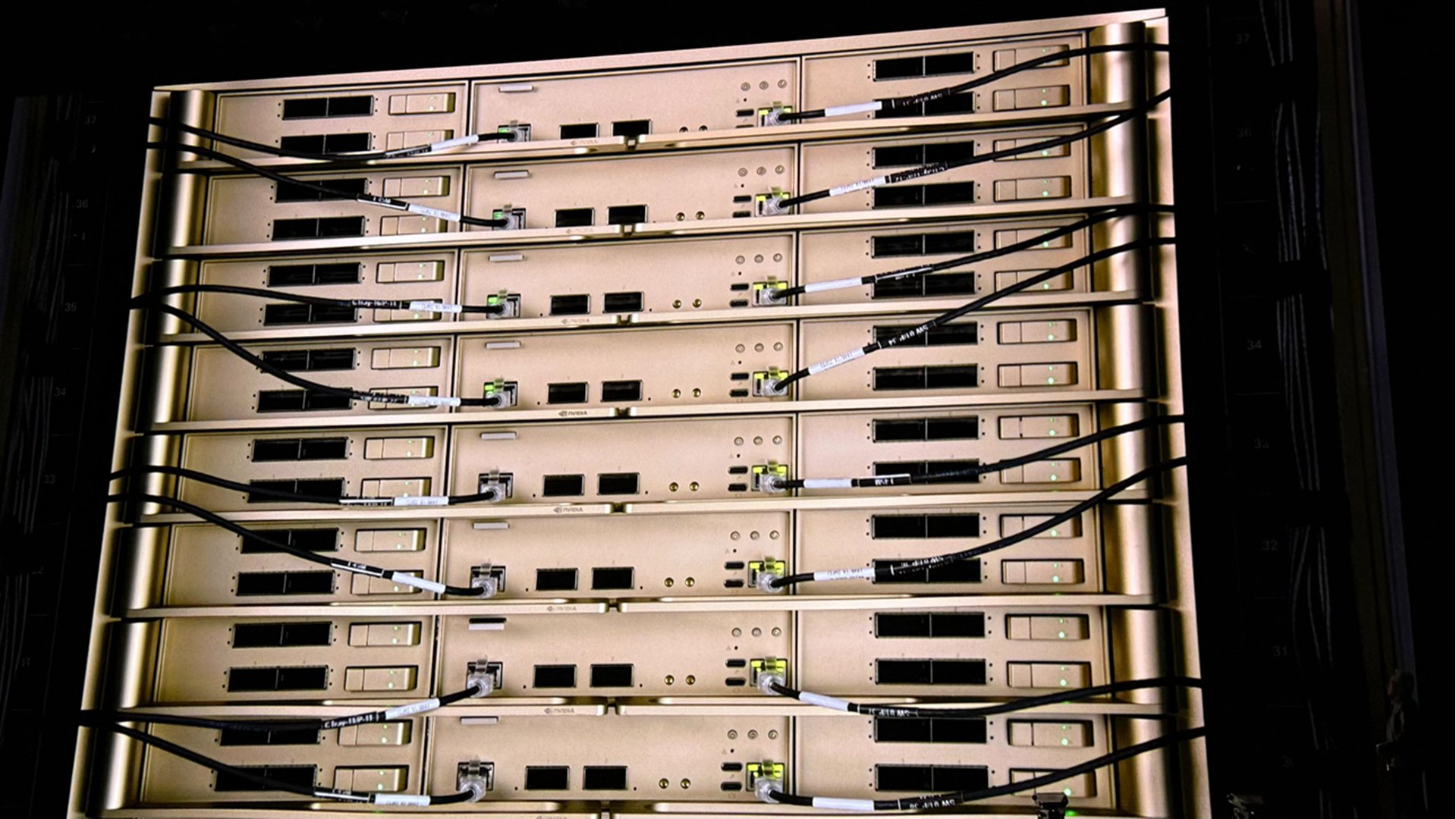
Cloud rental arrangements introduce fundamental constraints:
- Latency Penalties: Cross-border data transfers add 100-300ms delays
- Resource Fragmentation: Shared infrastructure prevents dedicated cluster allocation
- Limited Customization: Inability to modify host systems or networking stacks
- Training Interruptions: Third-party scheduling risks disrupting week-long training jobs
Operational Challenges
These constraints force compromises on frontier model development:
| Capability | U.S. Developers | Chinese Developers |
|---|---|---|
| Hardware Access | Direct deployment | Cloud rental |
| Cluster Control | Full customization | Limited configuration |
| Training Continuity | Guaranteed allocation | Queue-based access |
| System Integration | Hardware/software co-design | API-level access only |
Chinese developers previously managed heterogeneous fleets combining A100, H100, H800 and H20 GPUs, but Rubin's architectural differences compound optimization difficulties. Training efficiency losses reportedly range from 30-60% compared to native implementations.
Financial Constraints
UBS analysis reveals Chinese hyperscalers spent $57 billion on CapEx last year - less than Meta's $70 billion expenditure and just 10% of combined U.S. cloud infrastructure investment. This resource gap limits Rubin access scale:
- Estimated Rubin cloud rental costs: $15-$25/hour per GPU
- Frontier models require continuous access to 25,000+ GPUs
- Equivalent cluster would cost $13-$21 million monthly
While technically feasible, these cloud deployments face regulatory uncertainty following June 2024 U.S. restrictions on AI cloud services access. The operational overhead and financial burden may ultimately cap Chinese model development at sub-frontier scales.
 Anton Shilov is a semiconductor industry analyst covering hardware architectures and market dynamics.
Comments
Please log in or register to join the discussion