Corning unveils Gorilla Glass Ceramic 3 with enhanced drop durability for smartphones, first launching on the new Motorola Razr Fold
Corning has unveiled Gorilla Glass Ceramic 3, a new smartphone cover glass technology promising enhanced drop durability that lasts for years, with the first implementation set to appear on the new Motorola Razr Fold.
The announcement marks a significant advancement in smartphone glass technology, particularly important for foldable devices that face unique durability challenges. Corning claims the new material offers superior protection against drops over extended periods, addressing one of the most common causes of smartphone damage.
Enhanced Durability for Foldable Devices
Foldable smartphones present unique engineering challenges compared to traditional slab phones. The flexible display and complex hinge mechanisms create additional stress points, while the folding mechanism can introduce micro-abrasions and structural weaknesses over time. Corning's new Gorilla Glass Ceramic 3 aims to address these concerns by providing enhanced resistance to drops and impacts that foldable devices are particularly susceptible to.
The "years of drops" claim suggests Corning has focused on long-term durability rather than just initial impact resistance. This is crucial for foldable phones, which typically command premium prices and are expected to last longer than conventional smartphones. Users of high-end foldables often keep their devices for extended periods, making durability a key selling point.
Technical Advancements
While Corning hasn't released detailed technical specifications, the "Ceramic 3" designation indicates this is the third generation of their ceramic-based glass technology. Ceramic materials in glass formulations typically offer improved hardness and scratch resistance compared to traditional aluminosilicate compositions.
The enhanced drop durability likely comes from a combination of improved chemical strengthening processes and the inherent properties of ceramic materials. Corning's Gorilla Glass has evolved significantly since its introduction, with each generation bringing improvements in strength, scratch resistance, and optical clarity.
Motorola Razr Fold Implementation
The choice of the Motorola Razr Fold as the first device to feature Gorilla Glass Ceramic 3 is noteworthy. Motorola has been a pioneer in the foldable phone market, with the Razr series being one of the earliest commercially successful foldable designs. The company's continued partnership with Corning suggests confidence in the new technology's ability to enhance the durability of their flagship foldable device.
Motorola's Razr Fold represents a clamshell design that folds vertically, similar to classic flip phones but with modern smartphone capabilities. This design presents specific durability challenges, as the folding mechanism creates stress points along the hinge and the outer display (when present) must withstand repeated bending motions.
Industry Context
The announcement comes amid growing competition in the foldable smartphone market, with Samsung, Huawei, and other manufacturers pushing the boundaries of what's possible with flexible displays. Durability has been a key concern for consumers considering foldable devices, with many potential buyers hesitant due to concerns about longevity and repair costs.
Corning's focus on long-term drop protection addresses a fundamental consumer concern. While manufacturers have made strides in improving hinge mechanisms and display durability, the outer glass remains one of the most vulnerable components of any smartphone, foldable or otherwise.
Market Implications
The introduction of Gorilla Glass Ceramic 3 could accelerate adoption of foldable devices by addressing one of the primary barriers to purchase. If the technology delivers on its promises, it could extend the usable lifespan of foldable phones and reduce repair costs associated with screen damage.
For Corning, this represents another step in maintaining their dominant position in the smartphone glass market. The company has consistently innovated to stay ahead of competitors, and the ceramic-based technology shows their commitment to pushing the boundaries of what's possible with cover glass materials.
Looking Ahead
As foldable phones become more mainstream, the demand for materials that can withstand the unique stresses these devices face will only increase. Corning's new glass technology could become a key differentiator for manufacturers looking to offer more durable foldable devices.
The success of Gorilla Glass Ceramic 3 will ultimately depend on real-world performance and user experiences. While Corning's claims are impressive, the true test will come as consumers begin using devices featuring this new technology and reporting on its durability over time.
For now, the announcement represents a promising development for the foldable phone market, potentially addressing one of the most significant concerns that has held back wider adoption of these innovative devices.
[IMAGE:1]
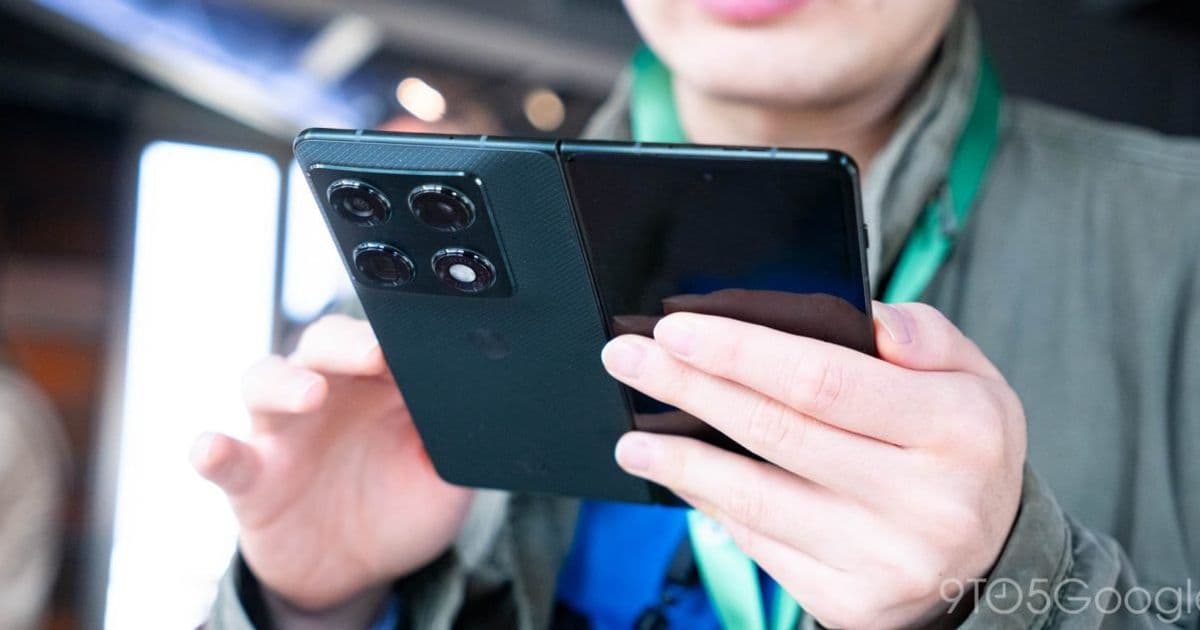
The new Motorola Razr Fold featuring Corning's Gorilla Glass Ceramic 3 technology represents the next evolution in foldable smartphone durability.
Comments
Please log in or register to join the discussion