
Google's Chrome 146 Beta introduces WebNN origin trial, enabling web applications to leverage hardware-accelerated neural network inference through NPUs and ML hardware.
Chrome 146 has been promoted to the beta channel, bringing significant advancements in web-based machine learning capabilities through the WebNN origin trial. This development marks a crucial step toward enabling hardware-accelerated neural network inference directly within web browsers.
WebNN Origin Trial
The centerpiece of Chrome 146 Beta is the promotion of WebNN (Neural Network API) to an origin trial. This API is designed to allow web applications and frameworks to tap into the underlying NPUs (Neural Processing Units) and other machine learning hardware capabilities of client systems. By leveraging native operating system services, WebNN aims to provide a richer and more efficient machine learning experience on the web.
WebNN represents a significant shift in how web applications can interact with hardware. Traditionally, web-based machine learning has been limited by the computational constraints of JavaScript and the browser environment. With WebNN, developers can now potentially offload neural network computations to specialized hardware, resulting in faster inference times and reduced battery consumption on mobile devices.
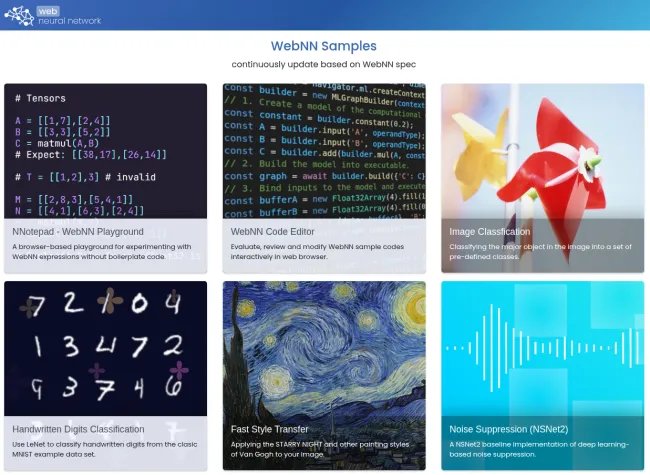
However, this advancement isn't without controversy. The ability for websites to more effectively utilize client hardware for AI/ML experiences raises privacy and security concerns. Some users may be uncomfortable with web applications having deeper access to their system's processing capabilities, particularly given the increasing prevalence of AI-powered features that could potentially be used for tracking or other purposes users might not expect.
Sanitizer API for XSS Protection
Beyond WebNN, Chrome 146 Beta introduces the Sanitizer API, addressing a critical security concern in web development. This API provides safe and easy-to-use protections against arbitrary user-supplied HTML content that could lead to script execution. By making it easier to build XSS-free web applications, Google is tackling one of the most persistent security vulnerabilities in web development.
The Sanitizer API represents a significant improvement over manual sanitization approaches, which are often error-prone and can leave applications vulnerable to sophisticated attacks. With this built-in solution, developers can more confidently handle user-generated content without introducing security risks.
WebGPU and Animation Updates
Chrome 146 Beta also includes several WebGPU updates, continuing the browser's evolution toward high-performance graphics and compute capabilities. WebGPU provides modern, low-level access to graphics hardware, enabling more sophisticated visualizations and computational workloads in the browser.
Additionally, the release brings improvements to scroll-triggered animations, allowing developers to create more engaging and responsive user experiences. These animations can now be more precisely controlled based on scroll position, opening up new possibilities for interactive web design.
Developer Resources and Testing
For developers interested in exploring these new capabilities, Google has provided comprehensive documentation. Those unfamiliar with WebNN can learn more through the official documentation and the GitHub project site. The origin trial nature of WebNN means that developers can begin testing and providing feedback before the API becomes a standard feature.

The Chrome Releases Blog and ChromeStatus.com offer detailed information about Chrome 146 Beta, including complete release notes and guidance for developers looking to implement these new features in their applications.
Implications for the Web Platform
These advancements in Chrome 146 Beta signal a broader trend toward making the web platform more capable of handling complex computational workloads. As machine learning becomes increasingly prevalent in applications, having efficient, hardware-accelerated inference capabilities in the browser could enable new categories of web applications that were previously only possible as native applications.
However, this increased capability comes with the responsibility of ensuring user privacy and security. The introduction of the Sanitizer API alongside WebNN demonstrates Google's awareness of these concerns and their commitment to providing both powerful features and robust security measures.
As Chrome 146 moves from beta to stable release, developers and users alike will be watching to see how these features are adopted and what new possibilities they unlock for web-based applications. The balance between capability and security will likely remain a central theme as the web platform continues to evolve to meet the demands of modern computing.
Comments
Please log in or register to join the discussion