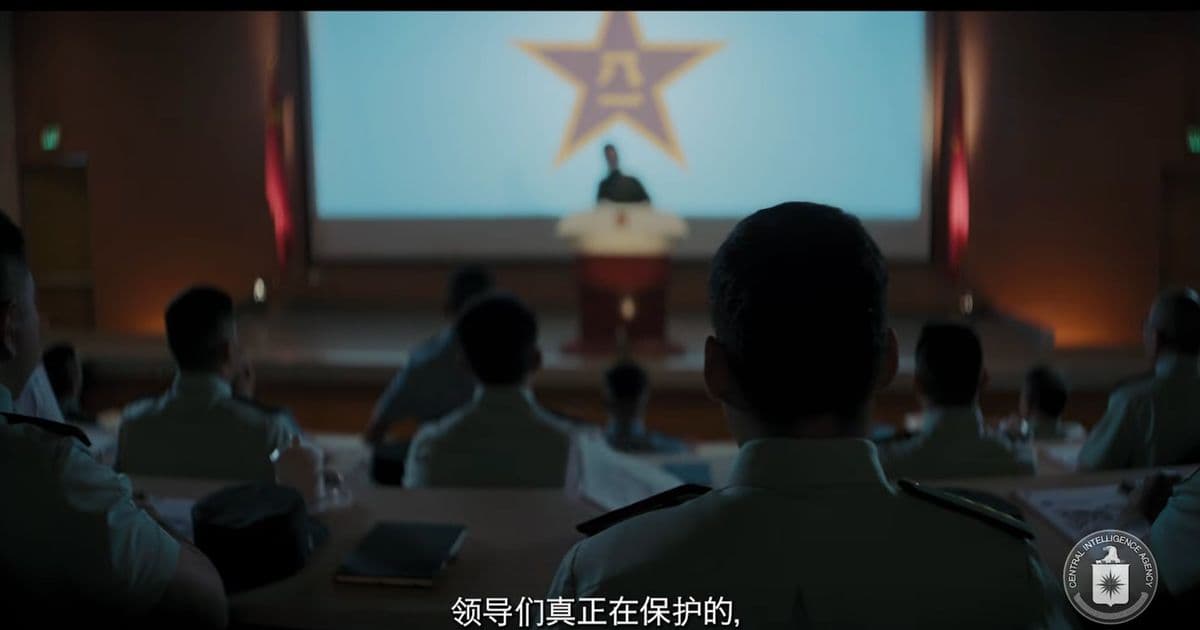
The CIA has released a Mandarin-language recruitment video on YouTube targeting Chinese military personnel, coinciding with the recent purge of top PLA leadership under President Xi Jinping.
The Central Intelligence Agency has launched an unprecedented recruitment campaign targeting Chinese military personnel, releasing a Mandarin-language video on YouTube that encourages PLA members to share information with the U.S. intelligence agency. The timing of this initiative, coming shortly after the high-profile purge of Zhang Youxia from the PLA's highest echelons, suggests a strategic effort to capitalize on potential discontent within China's military ranks.
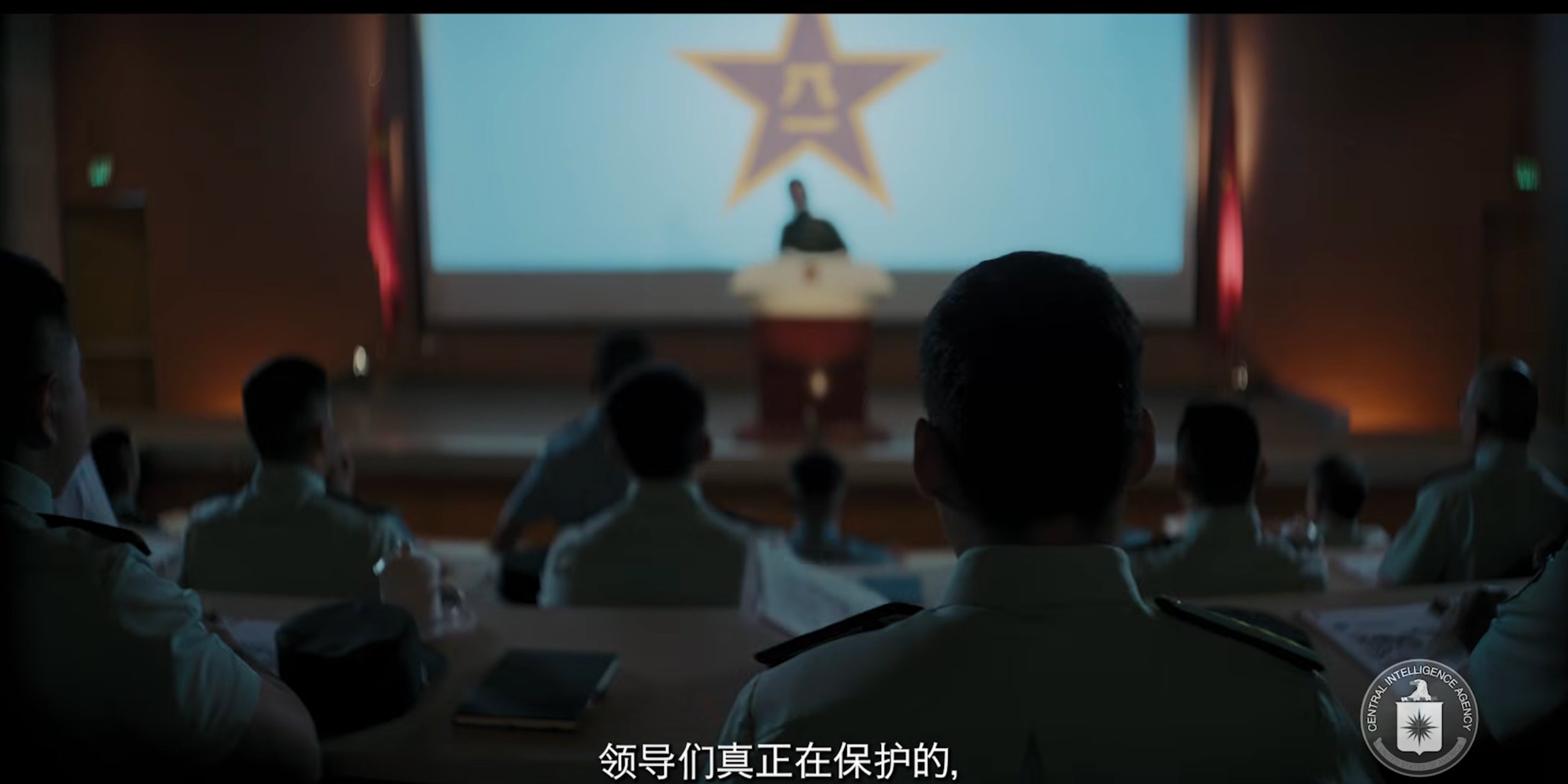
The video, which appeared on the CIA's official YouTube channel, represents a significant shift in how Western intelligence agencies approach recruitment in China. Rather than relying on traditional clandestine methods, the CIA has opted for a public-facing campaign that directly addresses Chinese military personnel in their native language.
This recruitment drive comes at a particularly sensitive moment for the People's Liberation Army. The recent purge of Zhang Youxia, one of President Xi Jinping's most trusted military advisors and a key figure in the PLA's modernization efforts, has sent shockwaves through China's military establishment. Such purges, while not uncommon in authoritarian regimes, often create uncertainty and potential openings for foreign intelligence services.
Beijing has responded swiftly to the CIA's outreach efforts, dismissing them as futile attempts at infiltration. Chinese state media and government officials have characterized the recruitment video as evidence of American desperation and have warned that such efforts "will not succeed." This reaction underscores the heightened tensions between Washington and Beijing, particularly in the realm of intelligence and military affairs.
The CIA's decision to use YouTube as a platform for this recruitment campaign is particularly noteworthy. Despite YouTube being blocked in mainland China, the platform remains accessible to many Chinese citizens through virtual private networks and other circumvention tools. By choosing this medium, the CIA appears to be casting a wide net, hoping to reach not only active-duty military personnel but also potential defectors and those with access to sensitive information.
This recruitment strategy also reflects a broader shift in U.S. intelligence operations. In an era of increasing technological sophistication and digital connectivity, traditional espionage methods are being supplemented with more overt approaches. The use of social media and video platforms for recruitment purposes represents a modernization of intelligence gathering techniques, adapting to the realities of the digital age.
The timing of the video's release, coinciding with the Zhang Youxia purge, is unlikely to be coincidental. Intelligence agencies often seek to exploit moments of political instability or leadership transitions to identify potential sources of information. The removal of a high-ranking military official can create power vacuums, personal grievances, and opportunities for foreign intelligence services to establish new contacts or deepen existing relationships.
For the Chinese military, this recruitment drive represents another front in the ongoing struggle against foreign espionage. The PLA has long been a target for Western intelligence agencies due to its strategic importance and the sensitive nature of its operations. The CIA's public recruitment effort may prompt the Chinese military to redouble its counterintelligence efforts and increase scrutiny of its personnel.
The broader context of U.S.-China relations cannot be ignored when analyzing this development. Tensions between the two superpowers have been escalating across multiple domains, including trade, technology, and military posturing. The CIA's recruitment video can be seen as part of a larger strategy to gain insights into China's military capabilities, strategic intentions, and potential vulnerabilities.
This recruitment campaign also raises questions about the effectiveness of such public appeals in the context of Chinese counterintelligence capabilities. While the CIA may be hoping to reach disaffected military personnel or those with access to valuable information, the Chinese government's sophisticated surveillance and censorship apparatus may limit the video's impact on its intended audience.
As the situation develops, it will be crucial to monitor how both the U.S. and Chinese governments respond to this new phase in their intelligence rivalry. The CIA's willingness to conduct such a public recruitment campaign suggests a level of confidence in its ability to operate within China's information space, while Beijing's swift dismissal of the effort indicates its determination to maintain control over its military and prevent foreign infiltration.
The intersection of technology, geopolitics, and intelligence gathering continues to evolve, with this recruitment video serving as a prime example of how traditional espionage is being adapted for the digital age. As U.S.-China tensions remain high, such initiatives are likely to become more frequent, potentially reshaping the landscape of international intelligence operations.
Comments
Please log in or register to join the discussion