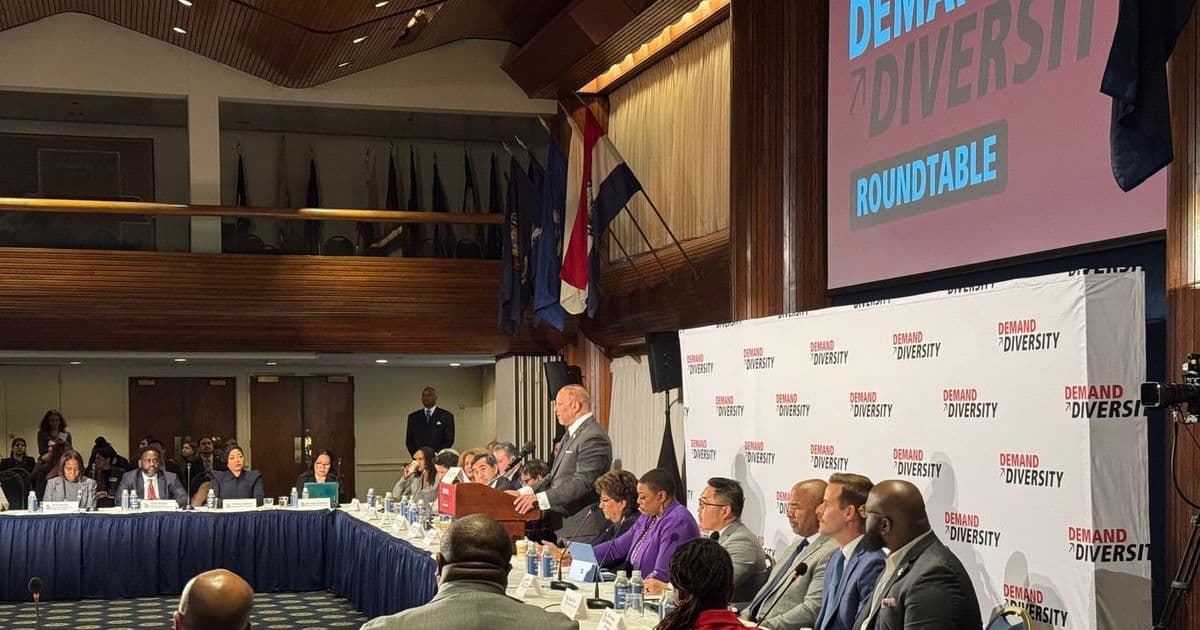
At a National Press Club event, over 30 civil rights leaders convened to address what they characterize as an escalating authoritarian rollback, focusing on strategies to defend civil rights in the coming year.
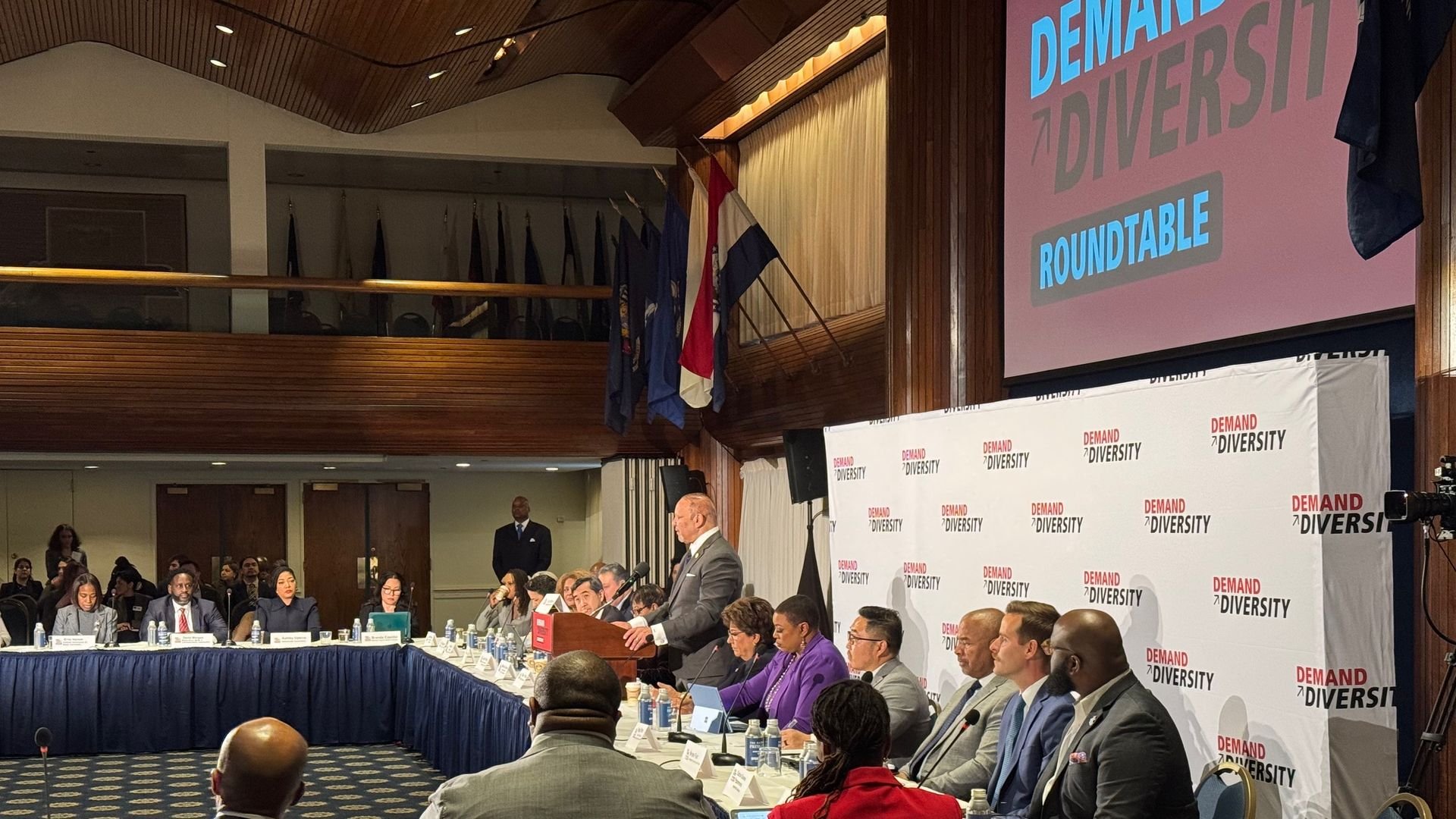
The National Urban League's Marc Morial stood at the National Press Club podium on January 22, 2026, addressing a room of more than 30 civil rights leaders and advocates. The event, titled the second Demand Diversity Roundtable, served as a strategic gathering to confront what organizers described as a systematic rollback of civil rights protections.
The timing of this assembly is significant. Civil rights organizations across the United States have been tracking a pattern of legislative and judicial actions they argue are eroding decades of established protections. From voting rights restrictions to challenges against affirmative action and diversity initiatives, the landscape of civil rights enforcement has shifted dramatically in recent years.
Morial, speaking as president of one of the nation's oldest civil rights organizations, framed the current moment as a critical inflection point. The National Urban League, founded in 1910, has weathered multiple eras of civil rights struggle, but current leadership contends this period presents unique challenges due to the coordination of state-level actions and the nationalization of what were previously local issues.
The roundtable's agenda reportedly included discussions on several key areas: voting access, educational equity, criminal justice reform, and economic opportunity. Participants represented a cross-section of civil rights organizations, legal advocacy groups, and community-based initiatives. The diversity of attendees itself signaled the breadth of concerns—from traditional civil rights groups to newer organizations focused on digital rights and algorithmic bias.
What makes this moment particularly concerning for these leaders is the velocity of change. Legislative sessions in multiple states have produced parallel restrictions, creating what some describe as a "patchwork" of rights that varies dramatically by geography. Meanwhile, federal enforcement priorities have shifted, leaving gaps that state and local organizations must fill.
The economic dimension of civil rights erosion cannot be overlooked. Studies from the Brookings Institution and other research organizations have consistently shown that restrictions on voting access, educational opportunity, and workplace protections correlate with measurable economic disparities. For communities already facing wealth gaps, the compounding effects of these restrictions create multi-generational challenges.
Technology adds another layer of complexity. Digital voting systems, algorithmic decision-making in hiring and lending, and surveillance technologies all present new vectors for potential discrimination. Civil rights organizations are increasingly needing to develop technical expertise alongside their traditional legal and advocacy capabilities.
The roundtable's focus on 2026 is strategic. With midterm elections approaching and numerous state legislative sessions scheduled, the coming year represents a critical window for both defensive and proactive measures. Organizers emphasized that reactive responses to rights violations are insufficient; the group discussed building infrastructure for monitoring, rapid response, and long-term policy development.
Funding and resource allocation emerged as key themes. Civil rights organizations have historically operated with limited budgets compared to the scale of challenges they address. The current environment requires not just legal expertise but data analysis capabilities, technology infrastructure, and sustained community engagement—all resource-intensive activities.
The event also highlighted the importance of coalition building. No single organization can address the full spectrum of civil rights challenges. Effective advocacy requires coordination across issue areas, geographic regions, and demographic groups. The roundtable format itself, bringing together diverse leaders, reflects this understanding.
Looking ahead, participants outlined several priorities: strengthening election protection efforts, expanding educational equity initiatives, addressing disparities in criminal justice outcomes, and building economic opportunity programs. Each of these areas requires tailored strategies that account for local contexts while maintaining national coherence.
The National Urban League and participating organizations plan to release a detailed action plan in the coming weeks, outlining specific strategies and resource needs for 2026. This plan will likely include both defensive measures to protect existing rights and proactive initiatives to expand opportunities for marginalized communities.
The significance of this gathering extends beyond the immediate participants. Civil rights organizations serve as canaries in the coal mine for democratic health. When these groups sound alarms about authoritarian trends, they draw on historical perspective and on-the-ground experience that provides early warning of broader democratic erosion.
For business and technology leaders, these developments matter because civil rights protections form part of the stable regulatory environment that enables economic activity. Uncertainty around rights protections creates business risk, particularly for companies operating across multiple jurisdictions with different legal standards.
The roundtable's message is clear: 2026 represents a critical juncture. The decisions made in the coming year—by legislators, courts, and communities—will shape the trajectory of civil rights for decades. The leaders gathered at the National Press Club are preparing for that fight, building the coalitions and strategies needed to defend and expand rights in an increasingly challenging environment.
Comments
Please log in or register to join the discussion