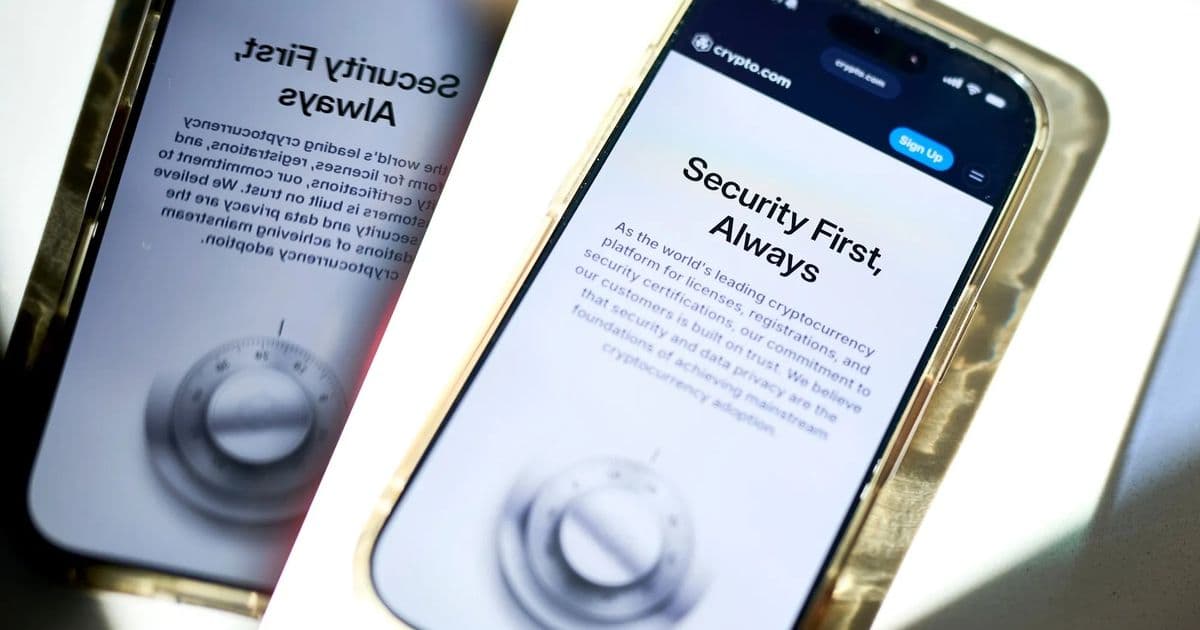
Crypto exchanges offer insurance-like plans that sound comprehensive but exclude the most common attack vector: social engineering and phishing scams.
When Matthew Allan realized nearly $100,000 in Bitcoin was missing from his Coinbase account, he wasn't too worried. He assumed the exchange's insurance-like protection would cover the loss. After all, Coinbase One markets itself as providing "account protection" for eligible customers.
He was wrong.
The reality is that most crypto insurance plans, including Coinbase One, explicitly exclude coverage for the very types of attacks that are now most common: social engineering, phishing scams, and account takeovers that don't involve direct exchange breaches. This gap between marketing and reality leaves many crypto users dangerously exposed.
What Crypto Insurance Actually Covers
Coinbase One, which costs $29.99 per month, offers what it calls "account protection" that sounds comprehensive on the surface. The service promises to reimburse customers for losses from "unauthorized access" to their accounts.
However, the fine print reveals significant limitations. The protection typically excludes:
- Losses from social engineering attacks
- Phishing scams where users voluntarily provide credentials
- SIM swapping attacks
- Account takeovers where the user's own device is compromised
- Any situation where the user is deemed to have contributed to the loss
This is a critical distinction. When a hacker gains access through a phishing email or a convincing social media scam, the exchange can argue that the user voluntarily gave away their credentials, making the loss ineligible for coverage.
The Growing Threat of Social Engineering
According to blockchain security firm Chainalysis, social engineering attacks have become the dominant method for crypto theft. In 2025, these attacks accounted for over 60% of all crypto losses from exchanges, up from just 15% in 2020.
Common tactics include:
- Fake customer support accounts on social media
- Phishing emails that mimic legitimate exchange communications
- SIM swapping to bypass two-factor authentication
- Impersonation of friends or family members
- Fake airdrop or giveaway scams
These attacks are particularly effective because they exploit human psychology rather than technical vulnerabilities. Even sophisticated users can fall victim when presented with convincing enough deception.
Other Exchange Protection Plans
Coinbase isn't alone in offering limited protection. Other major exchanges have similar programs:
Binance Secure Asset Fund for Users (SAFU): This insurance fund, funded by 10% of trading fees, is designed to protect users in extreme cases like exchange hacks. However, it explicitly excludes losses from user negligence or social engineering.
Kraken Security Labs: While Kraken offers robust security features, their terms of service clearly state that they are not liable for losses resulting from user error, phishing, or social engineering.
Gemini Custody: Their institutional-grade custody service includes insurance from third-party underwriters, but the coverage is limited to losses from internal theft, hacking, or employee fraud—not user-initiated transactions that turn out to be fraudulent.
The Regulatory Gap
The crypto industry operates in a regulatory gray area when it comes to consumer protection. Unlike traditional banks, which are FDIC-insured up to $250,000 per account, crypto exchanges are not required to provide any form of deposit insurance.
This lack of regulation has allowed exchanges to market "protection" plans that sound comprehensive but contain significant exclusions. Consumer advocates argue this is misleading and leaves users with a false sense of security.
What Users Can Actually Do
Given the limitations of exchange-provided protection, crypto users need to take their own security seriously:
Use hardware wallets for large holdings: Keep the majority of your crypto in cold storage rather than on exchanges. Hardware wallets like Ledger or Trezor are immune to phishing and social engineering.
Enable all available security features: Use two-factor authentication with authenticator apps (not SMS), set up withdrawal whitelists, and enable address book features to prevent sending to incorrect addresses.
Be skeptical of all communications: Assume any email, DM, or social media message claiming to be from an exchange is a scam until verified through official channels.
Understand the terms: Before relying on any "protection" plan, read the fine print to understand exactly what is and isn't covered.
The Bottom Line
The crypto industry's approach to user protection is fundamentally broken. While exchanges market insurance-like plans that sound comprehensive, the reality is that the most common attack vectors are explicitly excluded.
Until regulators step in to require meaningful consumer protections or the industry develops better security standards, crypto users are essentially on their own when it comes to protecting their assets from social engineering and phishing attacks.
The lesson from Matthew Allan's experience is clear: don't assume your exchange's "protection" will cover you. In the world of crypto, the only reliable security is the security you implement yourself.
Comments
Please log in or register to join the discussion