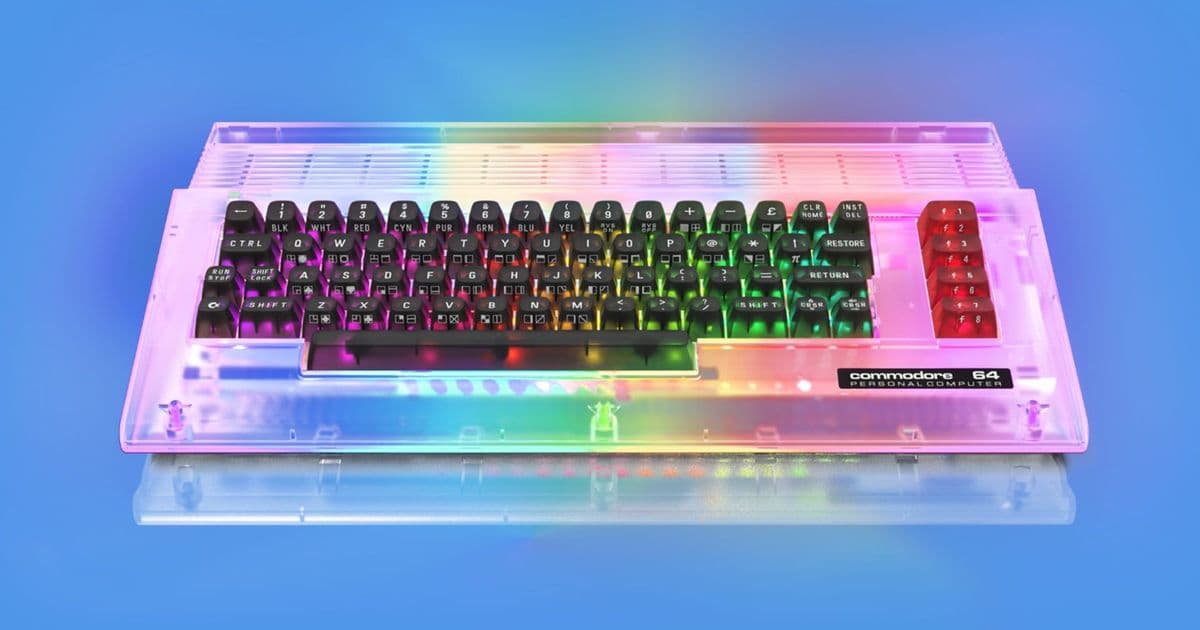
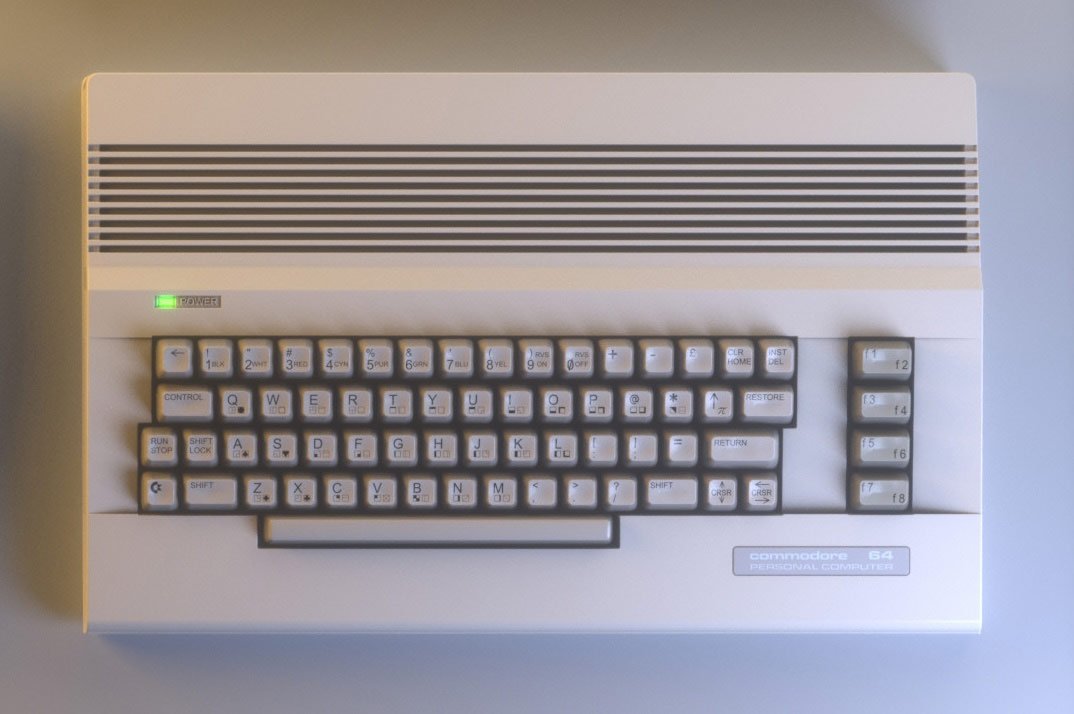
The reborn Commodore brand has announced the C64C Ultimate Edition, using original injection molds from the 1986-1994 era to recreate the slimline version of the iconic home computer with authentic styling and manufacturing details.
Commodore has announced the launch of the C64C Ultimate Edition, leveraging the original injection molds and tooling used to produce the compact version of the Commodore 64 between 1986 and 1994. The announcement marks a significant development in the retro computing market, offering enthusiasts an authentic reproduction of one of the most successful home computers in history.
The C64C represents a departure from the original 'breadbin' style C64 that launched in 1982, featuring a more streamlined design that became iconic for many users. What makes this release particularly noteworthy is Commodore's acquisition of the original tooling that created the plastic housing for these machines four decades ago.
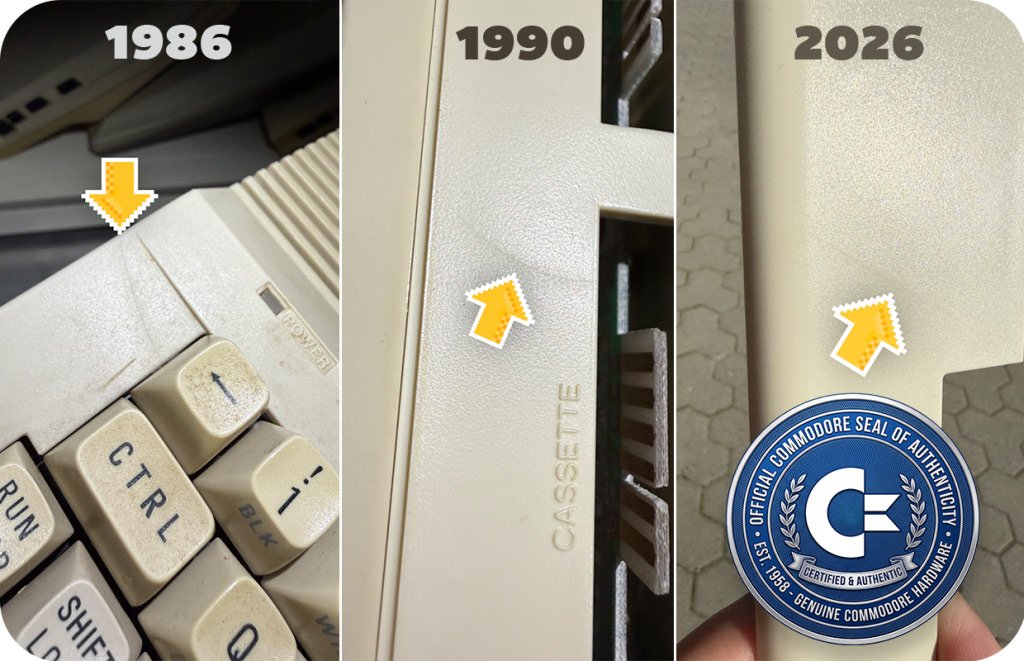
"The C64C molding was created using a 2-point flow pattern that resulted in the plastic cooling unevenly in the original production run, creating faint, semi-circular flow marks that have largely gone unnoticed," explained Peri Fractic, President and CEO and Chief Product Officer at Commodore. "By using the original tooling, we're even bringing these back. Today, these newly formed marks are a seal of authenticity – the unmistakable signature of genuine Commodore parts born from original molds."
The journey of these molds adds historical context to the release. After being used in production during the late 1980s and early 1990s, the tooling traveled from Asia to the U.S., were rediscovered in Texas, and eventually made a comeback through a Kickstarter campaign. Now, forty years later, they're back in Commodore's possession, fulfilling their original purpose.
Under the hood, the new C64C Ultimate Edition computers feature the same high-performance recreation of the original Commodore 64 architecture using FPGA technology. This approach ensures computational accuracy while maintaining the authentic experience of the original machine. The FPGA implementation provides a faithful recreation of the 6510 processor, SID sound chip, and VIC-II graphics chip that defined the C64's unique computing experience.
Commodore will offer three variants of the C64C Ultimate Edition:
- BASIC Beige model - priced at $299
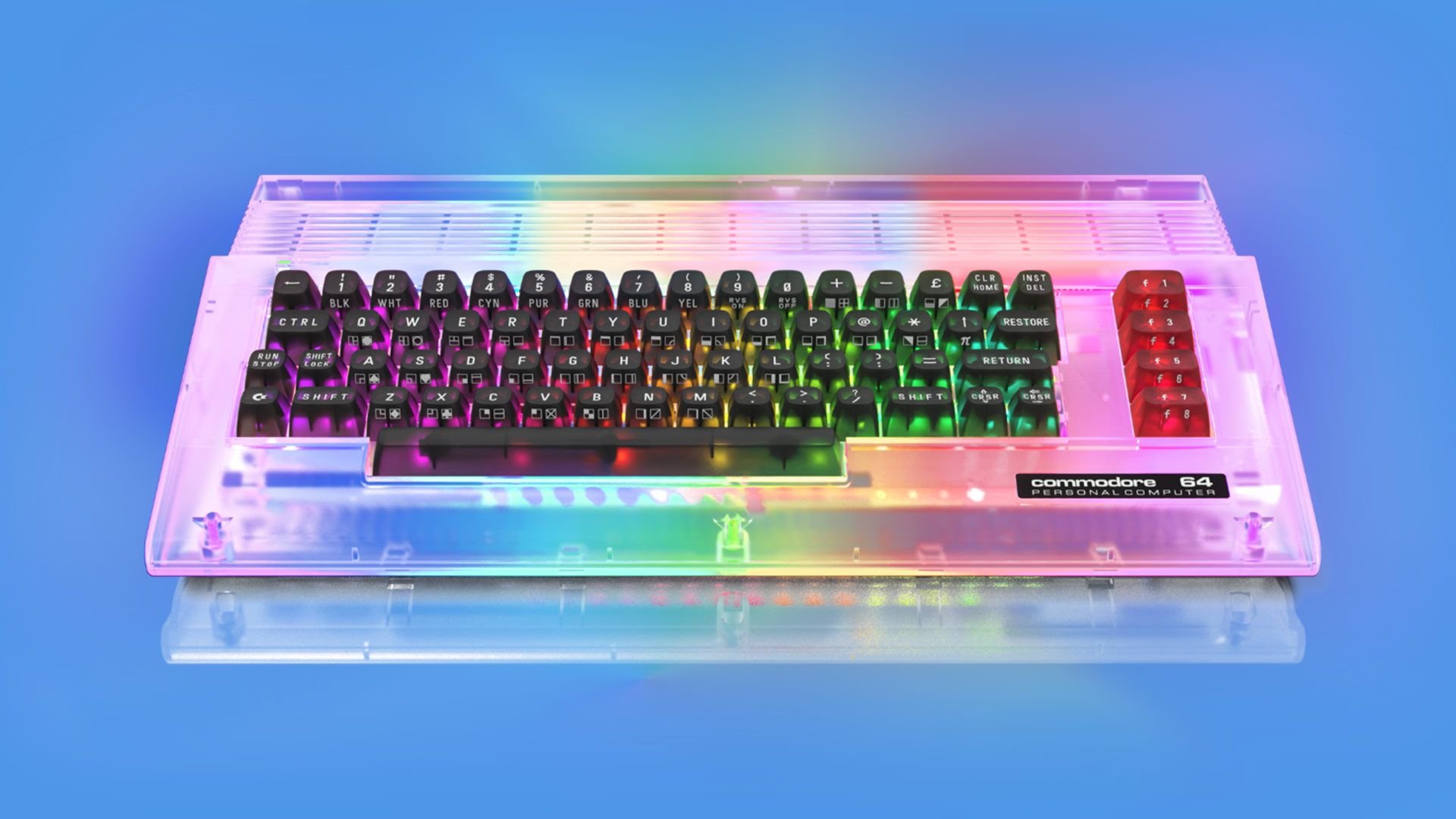
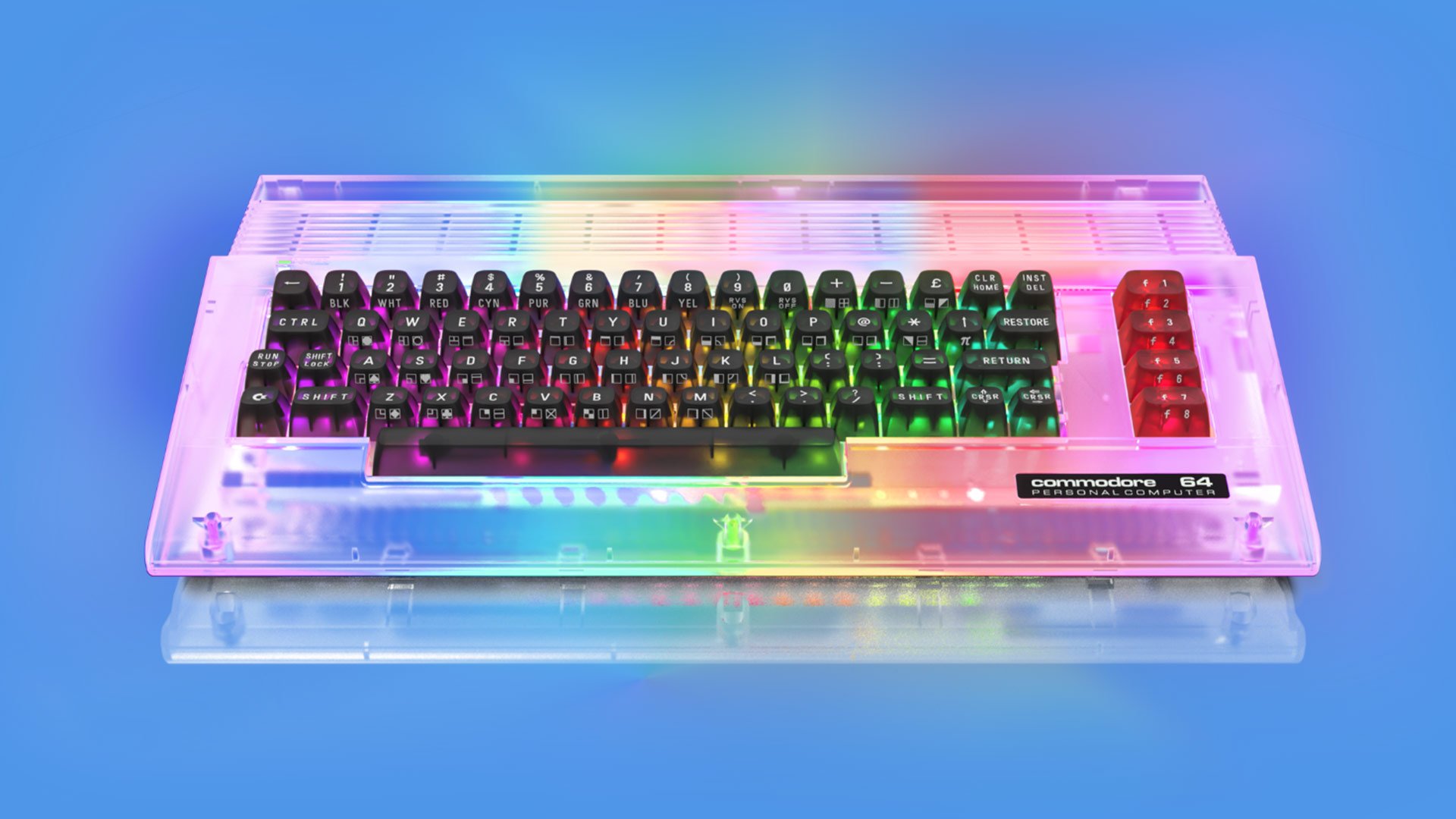
- Translucent Starlight Edition - priced at $349
- Gold Founder's Edition - priced at $499
The pricing strategy positions these devices as premium retro computing products, significantly above typical retro computer reproductions but justified by the authentic manufacturing process and collectible nature. The pre-order page indicates limited availability, with only 295 slots remaining for the initial shipment as of the announcement date.
From a supply chain perspective, this represents an unusual case of resurrecting decades-old manufacturing infrastructure. Most modern retro computing devices rely on newly created tooling or 3D printing techniques. Commodore's approach of using original injection molds creates a unique position in the market, offering authenticity that competitors cannot match.
The company has indicated that shipping will commence in late 2026, with the first batch potentially arriving in late September. This timeline suggests a complex manufacturing process, likely involving the reconditioning of decades-old tooling and establishing production lines capable of working with legacy equipment.
This release forms part of Commodore's broader 2026 product roadmap, which the company describes as "busy" with "a number of new initiatives in the coming months, including new platforms and accessories." The strategic focus on authentic reproductions suggests Commodore is targeting the collector market and serious retro computing enthusiasts rather than mass-market consumers.
The C64C Ultimate Edition follows the previously released C64 Ultimate (based on the original 'breadbin' design), creating a comprehensive product line that covers both major iterations of the Commodore 64. This dual approach allows the company to cater to different segments of the retro computing community, each with their own preferences for the form factor that defined their early computing experiences.

From a manufacturing perspective, the use of original tooling presents both opportunities and challenges. The 2-point flow pattern that creates the distinctive semi-circular flow marks in the plastic housing is a characteristic of the original manufacturing process that cannot be replicated with modern tooling. These marks, once considered production imperfections, are now being marketed as a mark of authenticity.
The C64C Ultimate Edition represents an interesting convergence of nostalgia, authenticity, and modern technology. By combining original manufacturing equipment with FPGA-based recreation of the original computer architecture, Commodore is creating a product that appeals to both collectors seeking authentic hardware and enthusiasts who want a faithful computing experience.
As the retro computing market continues to evolve, products like the C64C Ultimate Edition demonstrate that there remains significant demand for authentic reproductions of classic computers. The success of this release will likely influence other companies considering similar approaches to retro computing hardware.
Comments
Please log in or register to join the discussion