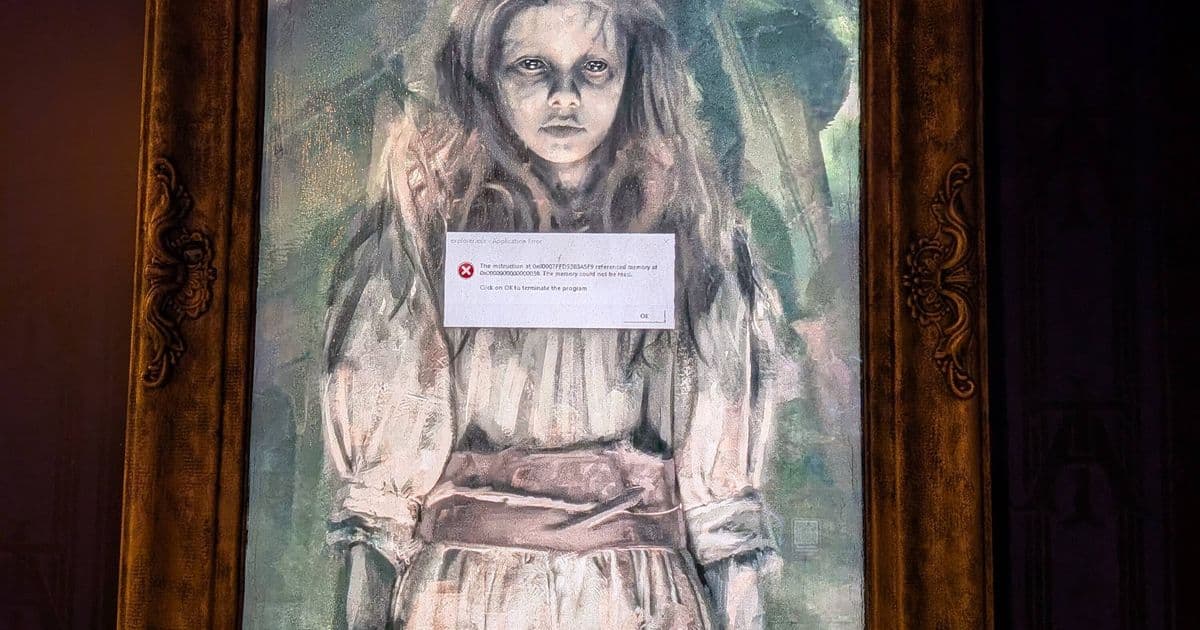
A Windows error message appearing in a UK theme park highlights broader concerns about public-facing technology systems and their compliance with data protection regulations.
A recent encounter at Alton Towers theme park, where a Windows Explorer error message appeared on a public display, has raised serious questions about the security and privacy implications of public-facing technology systems. While the incident might seem humorous on the surface, it underscores significant compliance risks that businesses face under increasingly stringent data protection regulations like GDPR and CCPA.
The incident, captured by visitor Andy Bailey, shows a Windows system displaying a "Memory could not be read" error in the ghost train's gift shop. Beyond the immediate inconvenience, such public displays often process and potentially store user data, creating substantial legal exposure for businesses that fail to implement proper security measures.
Legal Framework and Compliance Requirements
Under the GDPR, organizations are required to implement appropriate technical and organizational measures to ensure a level of security appropriate to the risk. Article 32 specifically mandates protection against unauthorized or unlawful processing, accidental loss, destruction, or damage of personal data. For public-facing Windows systems, this means implementing robust access controls, encryption, and regular security assessments.
In California, the CCPA imposes similar requirements, with additional emphasis on transparency regarding data collection practices. Businesses operating public Windows displays must clearly disclose what data is being collected, how it's used, and provide consumers with the right to opt-out of its sale.
Impact on Businesses and Users
Public-facing Windows systems, such as those found in theme parks, retail environments, and public transportation, often collect and process user data through various mechanisms including Wi-Fi access points, interactive displays, and customer feedback systems. When these systems experience errors or security vulnerabilities, they may inadvertently expose sensitive information or create pathways for data breaches.
For businesses, the consequences of non-compliance can be severe. Under GDPR, organizations can face fines of up to €20 million or 4% of annual global turnover, whichever is higher. The Information Commissioner's Office (ICO) in the UK has already demonstrated its willingness to penalize organizations for inadequate data protection measures.
For users, the risks include potential exposure of personal information, location tracking, and other privacy violations. Children, in particular, may be vulnerable when interacting with public Windows systems in entertainment environments like theme parks.
Recommended Security Measures
Organizations operating public Windows systems should implement several key security measures:
- Network Segmentation: Isolate public-facing systems from internal networks to limit potential breach impact.
- Regular Updates and Patching: Ensure all Windows systems receive timely security updates to address vulnerabilities.
- Access Controls: Implement strict authentication mechanisms to prevent unauthorized access.
- Data Minimization: Collect only the minimum necessary data for intended purposes.
- Privacy Impact Assessments: Conduct thorough assessments before deploying new public-facing technology.
- User Transparency: Provide clear notices about data collection and usage practices.
The Alton Towers incident serves as a reminder that public-facing technology systems require the same level of security attention as internal infrastructure. As regulatory bodies continue to strengthen enforcement of data protection laws, businesses must proactively address potential vulnerabilities in their public Windows systems to avoid significant legal and financial consequences.
Theme parks and other public venues should consider implementing regular security audits and establishing comprehensive data protection policies that align with GDPR and CCPA requirements. Only through such measures can organizations ensure they are protecting both their business interests and the privacy rights of their visitors.
Comments
Please log in or register to join the discussion