
Surveillance technology company Flock Safety confirmed employees accessed cameras in sensitive locations including children's facilities for product demonstrations, despite public outcry and privacy concerns.
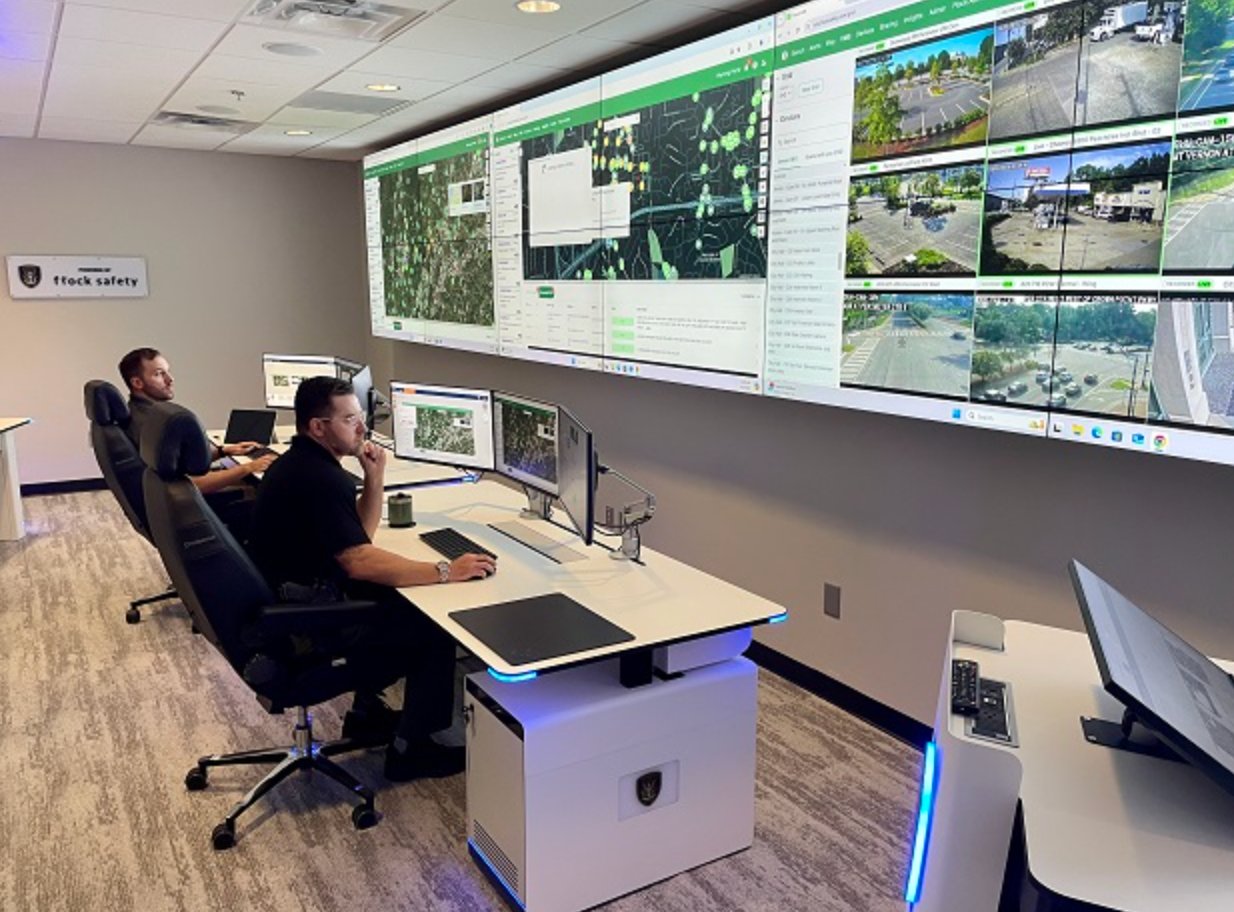
Residents of Dunwoody, Georgia were recently shocked to discover that Flock Safety, a surveillance technology company, had been accessing cameras throughout the city—including those in children's gymnastics rooms, playgrounds, schools, and a Jewish community center—to demonstrate its products to police departments nationwide.
The revelation came after Jason Hunyar, a Dunwoody resident, obtained Flock access logs through a public records request. His blog post titled "Why Are Flock Employees Watching Our Children?" detailed how Flock employees had been viewing footage from sensitive locations as part of sales demonstrations. The logs showed that Flock's surveillance systems in Dunwoody extended beyond city-owned cameras to include those purchased by private businesses.
"The records Hunyar obtained, however, show that some of the cameras that were accessed were in sensitive locations, including the pool at the Marcus Jewish Community Center of Atlanta (in Dunwoody), the children's gymnastics room at MJCCA, and several fitness centers and studios," according to the report.
Flock Safety acknowledged the camera access but characterized it as authorized demos for product development. "The city of Dunwoody is one city in our demo partner program," a Flock spokesperson stated. "The cities involved in this program have authorized select Flock employees to demonstrate new products and features as we develop them in partnership with the city. Moreover, select engineers can access accounts with customer permission to debug or fix any issues that may arise."
The company also emphasized its transparency, claiming to be "one of the few technology companies in this space dedicated to radical transparency" because it creates access logs that can be obtained through public records requests.
However, Flock's public statements contradict its own FAQ page, which states "Flock customers own their data" and "Flock will not share, sell, or access your footage." The FAQ also explicitly states "nobody from Flock Safety is accessing or monitoring your footage." Additionally, Flock's blog highlights how "one of the benefits communities value most about Flock technology is the ability for law enforcement to directly access privately owned cameras, if and only if the organization allows them to, for crime-solving and security purposes."
Following the public outcry, Flock Safety announced changes to its practices. "Although the camera was only viewed during a routine demo, we understand that this is a sensitive location for many. We have therefore determined that employees will be trained to only conduct demos in more public locations, like retail parking lots," the company wrote in a blog post addressing the controversy.
The incident raises significant questions about the intersection of surveillance technology, privacy rights, and corporate transparency. As cities increasingly adopt smart surveillance systems, the balance between public safety and privacy becomes increasingly complex. Flock's case demonstrates how even well-intentioned surveillance technologies can create privacy concerns when companies access sensitive footage without clear public understanding or consent.
The Dunwoody situation also highlights the broader issue of how surveillance companies operate. Flock's business model relies on partnerships with cities and private businesses to expand their camera networks, creating an extensive web of surveillance capabilities. While the company argues these systems help "stop major crimes," the revelation that sales employees were accessing footage from children's facilities has understandably raised alarms among privacy advocates.
This case serves as a cautionary tale for municipalities considering partnerships with surveillance technology companies. It underscores the importance of clear contracts, transparent policies, and robust public oversight when implementing such systems. As surveillance technology continues to proliferate, communities must carefully consider the implications for privacy and civil liberties.
Flock Safety, which has raised significant funding in recent years, continues to expand its operations across the United States. The company's technology uses license plate recognition and other surveillance features to help law enforcement solve crimes. However, the Dunwoody incident suggests that even companies with the best intentions may need to reevaluate their practices when it comes to accessing sensitive footage.
Comments
Please log in or register to join the discussion