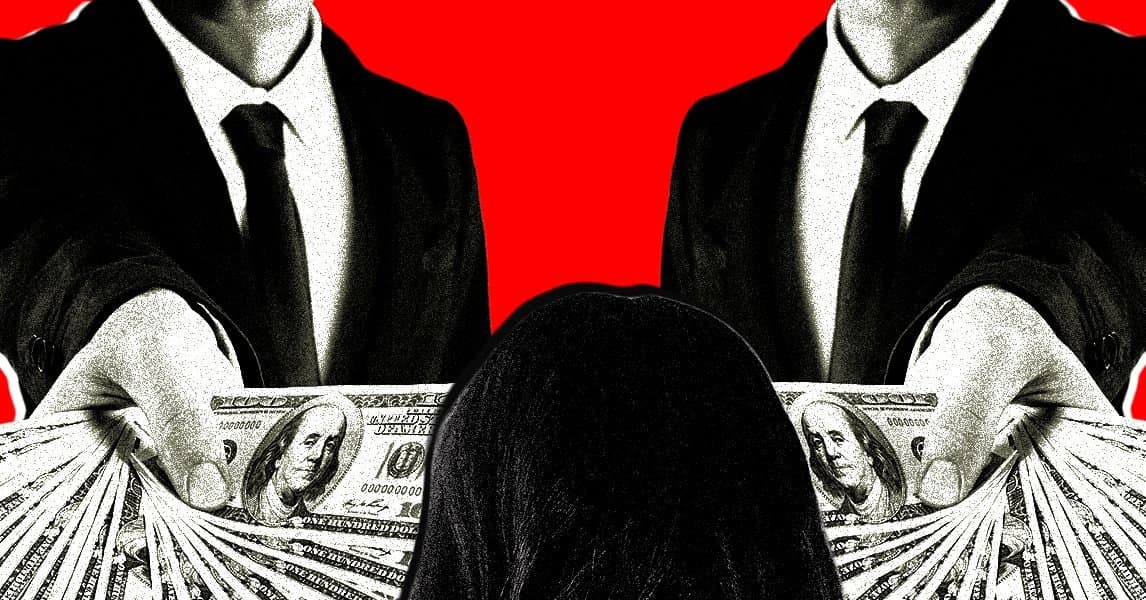
Wired investigation reveals that Build American AI, a nonprofit linked to a super PAC called Leading the Future, is paying influencers to promote US-based AI technologies while opposing Chinese AI development. The super PAC is funded by executives from major tech companies including OpenAI, Palantir, and Andreessen Horowitz, raising questions about covert influence operations in the AI geopolitical landscape.
Taylor Lorenz's investigation for Wired uncovers a complex network of influence operations targeting the AI discourse, with money flowing from tech executives to influencers through a nonprofit and super PAC structure. The report details how Build American AI, ostensibly a grassroots organization, is connected to Leading the Future, a super PAC that has received substantial funding from executives at OpenAI, Palantir, and Andreessen Horowitz.
The investigation reveals that influencers are being compensated to promote narratives that favor US-based AI companies while amplifying concerns about Chinese AI development. This appears to be part of a coordinated effort to shape public opinion and policy around AI technology in ways that benefit the funders' business interests.
What's particularly notable is the sophisticated structure of this influence operation. By channeling funds through a nonprofit and super PAC, the organizers can avoid some transparency requirements that would apply if they were making direct payments to influencers. The Build American AI nonprofit can accept tax-deductible donations, while the Leading the Future super PAC can spend unlimited amounts on political advocacy.
The connections between these organizations and major tech companies raise serious questions about the intersection of corporate interests and public discourse around AI. OpenAI, currently embroiled in legal battles with Elon Musk over the origins and direction of the company, appears to be simultaneously funding efforts to shape the broader AI narrative in ways that favor US-based companies over Chinese competitors.
The report doesn't specify the exact amounts being distributed to influencers, but the funding to the super PAC suggests significant resources are being deployed. This type of covert influence operation becomes particularly concerning as AI technology becomes increasingly central to economic and national security strategies.
The investigation also highlights how social media platforms are being weaponized in the AI geopolitical competition. Influencers with substantial followings are being positioned as independent voices while actually serving as paid advocates for specific corporate and national interests.
From a technical perspective, the report doesn't detail specific AI technologies being promoted or opposed, but rather focuses on the influence campaign itself. This represents a significant development in how AI discourse is being shaped, with money flowing from corporate executives to grassroots-seeming advocacy through opaque financial structures.
The limitations of this reporting include a lack of transparency from the organizations involved regarding their full funding sources and the specific criteria for selecting influencers. Additionally, while the report establishes financial connections, it doesn't fully explore the extent to which these influence operations are affecting policy decisions or public perception.
This investigation comes at a critical time as global competition in AI intensifies, with the US and China positioning themselves as leaders in the technology. The revelation that major US AI companies are funding influence operations against Chinese AI development suggests that the competition extends beyond technical capabilities to include narrative control and public opinion shaping.
Comments
Please log in or register to join the discussion