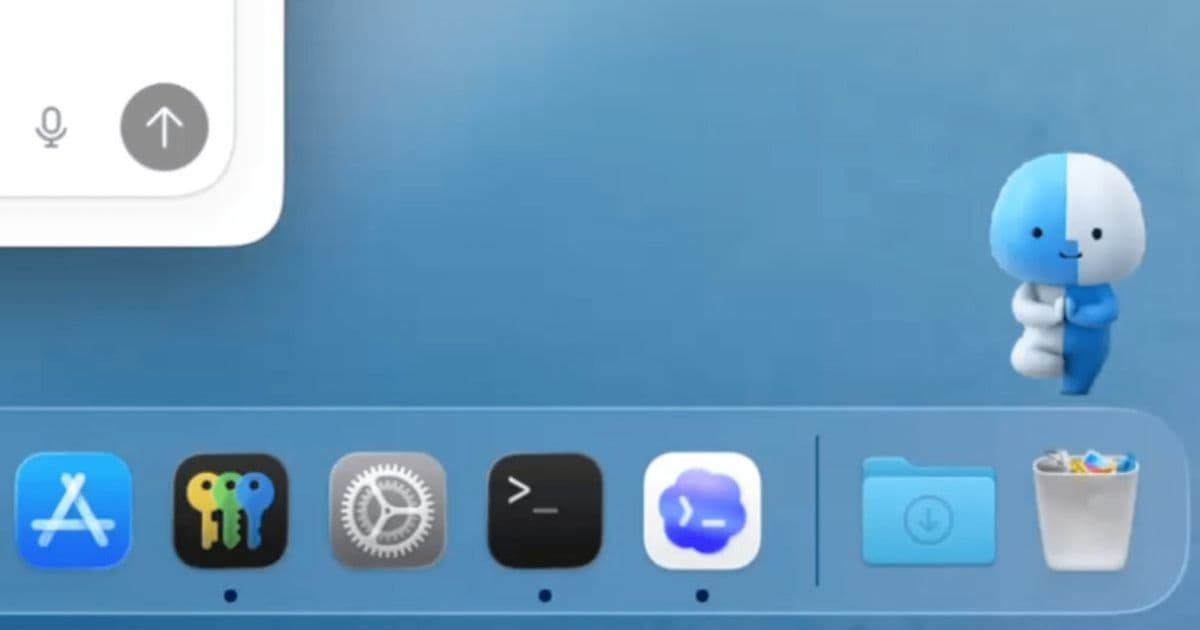
OpenAI's latest Codex update introduces a playful Tamagotchi-style pet feature that creates animated companions on macOS. This article explores the technical implementation, developer implications, and potential future of AI-driven virtual companions in productivity applications.
OpenAI has quietly rolled out one of its most intriguing updates to the Codex Mac application: a virtual pet system that brings Tamagotchi-style companions to the desktop. This feature, accessible through the simple /pet command, transforms the typically utilitarian AI assistant into something more personal and engaging, creating animated creatures that hover near your dock and provide real-time feedback about Codex's operations.
Understanding the Pet Feature
The Codex pet system functions as both a visual indicator and an interactive element. When activated, these small animated creatures appear on screen, much like Apple's Dynamic Island provides visual feedback for system processes. Users can choose from several pre-designed pets or create their own custom companions using the pet creation tools that OpenAI has made available.
Technically, the pet system leverages macOS's native animation frameworks combined with OpenAI's real-time processing capabilities. Each pet operates as a lightweight background process that communicates with the main Codex application through a dedicated API endpoint. This architecture ensures that the pets remain responsive without significantly impacting system performance.
Technical Implementation Details
From a development perspective, the Codex pet feature represents an interesting case study in real-time UI updates and system integration. The pets are implemented using Apple's Core Animation framework, allowing for smooth, hardware-accelerated animations that integrate seamlessly with the macOS interface.
The communication between the pet and the main Codex application happens through a WebSocket connection that maintains a persistent state. This connection allows the pet to display relevant information about Codex's current operations—whether it's processing a code request, analyzing data, or waiting for user input.
Creating custom pets involves a combination of image assets and simple scripting. OpenAI provides a pet creation SDK that allows developers to design their own creatures with custom animations, behaviors, and messaging systems. The SDK includes tools for creating sprite sheets, defining animation states, and writing simple scripts that determine how the pet responds to different Codex operations.
Developer Implications and Opportunities
The introduction of the pet feature opens several interesting possibilities for developers working with AI assistants:
Enhanced User Engagement: Pets provide a novel way to increase user engagement with AI tools. The emotional connection users form with their virtual companions could lead to more frequent and prolonged interactions with the application.
Real-time Feedback System: The pet serves as an always-visible status indicator, providing users with immediate feedback about the AI's operations without requiring them to switch contexts or check separate status displays.
Customization and Branding: For businesses using Codex internally, custom pets could be created to match company branding or specific workflows, creating a more personalized experience for employees.
Accessibility Enhancement: The visual nature of the pets could potentially serve as an accessibility feature, providing non-textual feedback about the AI's operations for users who might benefit from visual cues.
Cross-Platform Considerations
While the pet feature is currently exclusive to the macOS version of Codex, its implementation raises questions about cross-platform compatibility and future expansion. The current implementation relies heavily on macOS-specific frameworks like Core Animation and the native dock integration.
For a cross-platform version, OpenAI would need to develop alternative implementations for different operating systems:
- Windows: Could utilize the Windows Animation API or integrate with the taskbar
- Linux: Might leverage GTK animations or create a custom desktop overlay
- Mobile: Could appear as a persistent notification bubble or home screen widget
The challenge lies in maintaining the same level of integration and responsiveness across platforms while respecting each OS's design language and limitations.
The Future of AI Companions
The Codex pet feature represents an interesting evolution in how we interact with AI assistants. While current AI tools focus primarily on functionality and efficiency, the introduction of emotional elements like virtual companions suggests a shift toward more human-centered AI interactions.
This trend aligns with broader research in affective computing and human-computer interaction, which explores how emotional elements can improve user experience and engagement with technology. Future iterations of such systems might include:
- More sophisticated conversational abilities with the pets
- Integration with other applications and services
- Machine learning algorithms that adapt pet behavior based on user preferences
- Multi-pet ecosystems where companions interact with each other
Practical Applications Beyond Novelty
While the pet feature might seem like a frivolous addition, it has practical implications for how we conceptualize AI assistants:
Reduced Cognitive Load: By providing visual feedback about AI operations, pets can reduce the cognitive load on users who need to monitor background processes.
Emotional Connection: Research has shown that emotional connections with digital entities can increase user persistence and satisfaction with complex tasks.
Onboarding and Education: For new users, pets could serve as guides, explaining features and providing contextual help in a more engaging format than traditional tooltips or documentation.
Accessibility: Visual representations of AI operations could benefit users with certain cognitive differences or those who process visual information more effectively than text.
As the author of the original article discovered, creating a custom pet that resembles the Finder icon demonstrates how users can personalize their AI experience. This level of customization bridges the gap between utility and personality, potentially making AI tools more approachable and enjoyable to use.
The Codex pet feature, while seemingly simple, represents an important step in making AI assistants more integrated into our daily digital experiences. By combining functionality with personality, OpenAI is exploring new territory in how we might interact with increasingly sophisticated AI systems in the future.
For developers interested in exploring this feature further, OpenAI has provided comprehensive documentation on the Codex pet system and tools for creating custom companions. As AI continues to evolve, features like these may become standard elements of how we interact with intelligent systems, blurring the line between tool and companion.
Comments
Please log in or register to join the discussion