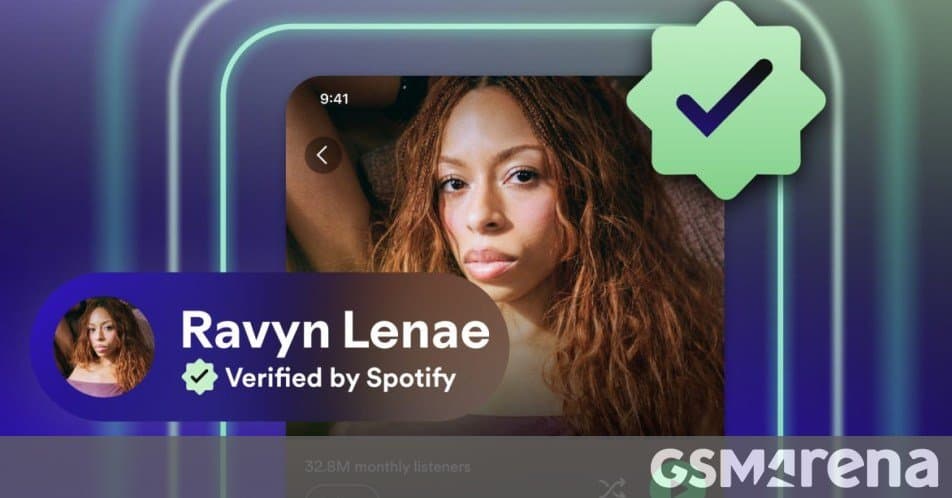
Spotify launches a verification system for human artists, adding new profile features while implicitly distinguishing them from AI-generated content.
Spotify has begun rolling out a verification system for non-AI artists, marking a significant step in the platform's effort to distinguish human creators from AI-generated content. The new "Verified by Spotify" badge aims to increase "authenticity and trust for the artists behind the music," according to the company, while also providing more detailed information about artists across the platform.
The verification criteria are designed to recognize established artists with genuine audience engagement. To be verified, artists must demonstrate consistent listener activity and engagement over time, maintain good standing with Spotify's platform policies, and possess "an identifiable artist presence both on and off-platform, like concert dates, merch, and linked social accounts." This means the verification isn't just about music popularity—it's about establishing a real-world presence that human artists can build through live performances, merchandise, and social media connections.
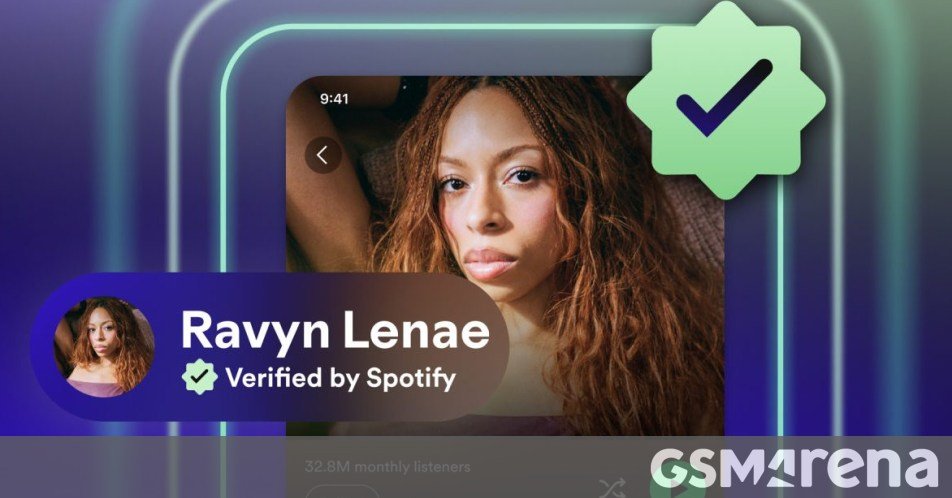
Notably, Spotify explicitly states that AI-generated or AI-persona artists are not eligible for verification—at least for now. The company acknowledges that "the concept of artist authenticity is complex and quickly evolving" and promises to continue developing its approach over time. This cautious stance suggests Spotify is preparing for future developments in AI-generated music while establishing clear boundaries in the current landscape.
The verification badge will feature "Verified by Spotify" text alongside a light green checkmark icon, appearing on artist profiles and next to artist names in search results "over the coming weeks." Spotify reports that 99% of artists people actively search for will be verified at launch, with priority given to those "with active fan interest, or who have made important contributions to music culture and history, rather than functional music creators and content farms whose content is primarily designed for passive or background listening."
This verification system arrives amid growing concerns about AI-generated music flooding streaming platforms. By implementing this verification, Spotify is taking a clear stance on valuing human-created content while creating a visual distinction that helps listeners identify authentic artists. The move also positions Spotify to potentially monetize verification in the future, similar to how other platforms offer premium verification services.
Alongside verification, Spotify is introducing a new beta section on all artist profiles that highlights career milestones, release activity, and touring information. This enhanced About section will be available on mobile devices "in the coming weeks" and can also be accessed by tapping on the Verified by Spotify banner. The additional details provide listeners with more context about an artist's journey, discography, and live performances, potentially deepening the connection between artists and their audiences.
For artists, this verification system offers both benefits and challenges. On one hand, the verified badge can serve as a mark of legitimacy and quality, potentially boosting an artist's visibility and credibility. On the other hand, it creates a tiered system that may disadvantage emerging artists or those with smaller but dedicated fanbases. Additionally, the emphasis on "identifiable artist presence" could disproportionately favor artists with resources to tour and produce merchandise, potentially marginalizing independent or niche creators.
The timing of this announcement is significant. As AI-generated music becomes increasingly sophisticated and accessible, streaming platforms face difficult questions about how to catalog, promote, and monetize this content. Spotify's approach appears to be drawing a clear line between human and AI artists for now, while leaving room to adapt as the technology evolves.
Listeners will likely benefit from this system through clearer identification of authentic artists and more detailed artist profiles. However, the verification also raises questions about how unverified artists—particularly legitimate human creators who don't yet meet the criteria—will be perceived by audiences. The visual distinction between verified and unverified artists could inadvertently create a presumption that unverified equals AI-generated, potentially harming the discoverability of new and emerging human artists.
As Spotify rolls out these features in the coming weeks, the music industry will be watching closely to see how this verification system impacts artist visibility, listener behavior, and the broader conversation about authenticity in the age of AI. The platform's approach could set a precedent for how other streaming services and digital platforms address similar challenges in distinguishing human-created content from AI-generated alternatives.
For more information about Spotify's artist verification program, you can visit Spotify for Artists, where the company has begun publishing guidelines and resources for creators seeking verification.
Comments
Please log in or register to join the discussion