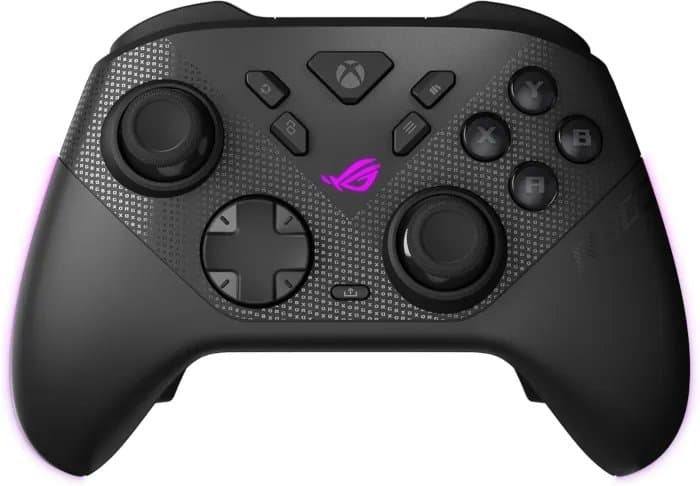
The premium ASUS ROG RAIKIRI II gaming controller is gaining official Linux support through the mainline kernel, bringing high-end features like 1KHz polling and TMR joysticks to Linux gamers.
The Linux gaming ecosystem continues to expand its hardware support with the upcoming addition of the ASUS ROG RAIKIRI II wireless gaming controller to the mainline kernel. This premium controller, priced at $160 USD, represents a significant step forward for Linux gamers seeking high-end input devices without compromising on functionality or performance.
Premium Features Meet Linux Compatibility
The ASUS ROG RAIKIRI II is not just another gaming controller; it's a feature-rich device designed for serious gamers. Key specifications include:
- 1KHz polling rate for ultra-responsive input
- TMR (Tunnel Magneto-Resistance) joysticks for precise control and durability
- Dual-mode triggers with adjustable tension
- Micro-switch buttons for crisp, responsive actuation
- Multiple connectivity options: USB-C, Bluetooth, and 2.4GHz RF
- Physical switch to toggle between PC and Xbox gaming modes
These specifications place the RAIKIRI II in the premium segment of gaming controllers, competing with other high-end options from manufacturers like Sony (DualSense), Microsoft (Xbox Elite), and third-party vendors like Razer and GameSir.
Technical Implementation in Linux
The Linux support for the RAIKIRI II is being implemented through the existing XPad driver, which has long been the backbone of Xbox controller support on Linux. This approach is efficient and ensures compatibility with the broader ecosystem of Linux gaming tools and utilities.
What makes the RAIKIRI II implementation particularly interesting is the need for multiple device IDs due to its PC/Xox toggle switch. When the controller is switched between modes, it presents different vendor and product IDs to the system, requiring additional entries in the driver to ensure proper recognition in both configurations.
The patch, already submitted to the Linux kernel mailing list and queued in the input subsystem's "for-linus" Git branch, addresses this by adding the necessary device IDs. This ensures that Linux will properly recognize the controller regardless of which mode it's operating in.
Linux Gaming Controller Landscape
The addition of the RAIKIRI II to the mainline kernel continues a positive trend of gaming peripheral support for Linux. While Sony's PlayStation controllers have enjoyed community-driven support for years, Microsoft's Xbox controllers have had more consistent mainline kernel support through the XPad driver.
The RAIKIRI II's inclusion is particularly significant because:
- It represents a premium option for Linux gamers who want high-end features
- It demonstrates manufacturers' increasing recognition of Linux as a viable gaming platform
- It showcases the maturity of Linux's input subsystem
- It provides an alternative to Xbox controllers for those seeking different features or aesthetics
Performance Considerations
For Linux gamers, the 1KHz polling rate of the RAIKIRI II is a notable advantage. Most standard controllers operate at 125Hz or 250Hz, with higher polling rates translating to more responsive input and potentially better performance in fast-paced games.
The TMR joysticks are another significant feature. Unlike traditional potentiometric joysticks which can wear down and develop "dead zones" over time, TMR joysticks use magnetic sensing to detect position. This results in:
- Greater precision and accuracy
- Improved durability with no physical wear components
- Consistent performance over the controller's lifespan
Compatibility and Ecosystem Integration
The RAIKIRI II's multi-connectivity options make it versatile for different Linux gaming setups. Whether you're playing on a desktop connected via USB-C, a laptop using Bluetooth, or a home theater setup with the 2.4GHz RF dongle, the controller offers flexibility.
For Steam Deck and ROG Ally handheld owners, the RAIKIRI II is an especially attractive option as it was developed alongside the ROG Ally, suggesting intentional compatibility with handheld form factors. The controller's ergonomic design and weight distribution are likely optimized for extended gaming sessions, which is crucial for handheld gaming.
The Patch Process and Timeline
The support patch for the RAIKIRI II follows a typical Linux kernel development process:
- Initial development and testing
- Submission to the linux-input mailing list for review
- Queuing in the "for-linus" branch for Linus Torvalds
- Integration into the next kernel release
Given that the patch is already in the "for-linus" branch, it's expected to be included in the Linux 7.1 kernel cycle, which would make it available to users shortly after the kernel's release. This timeline suggests that Linux gamers could see support for the RAIKIRI II within the next few months.
Comparison with Other Linux-Compatible Controllers
To understand the RAIKIRI II's place in the Linux gaming controller market, it's helpful to compare it with other options:
| Controller | Price | Polling Rate | Connectivity | Linux Support |
|---|---|---|---|---|
| ASUS ROG RAIKIRI II | $160 | 1KHz | USB-C, Bluetooth, 2.4GHz | Mainline (pending) |
| Xbox Elite Series 2 | $180 | 1KHz | USB-C, Bluetooth | Mainline |
| Sony DualSense | $70 | 250Hz | USB-C, Bluetooth | Community drivers |
| Steam Controller | $60 | 250Hz | USB-C, Bluetooth | Community drivers |
| 8BitDo Ultimate | $70 | 250Hz | USB-C, 2.4GHz | Mainline |
This comparison shows that the RAIKIRI II will be positioned as a premium alternative to the Xbox Elite Series 2, with similar high polling rates and multiple connectivity options, potentially at a slightly lower price point.
Implications for Linux Gaming
The addition of the RAIKIRI II to the mainline kernel has several positive implications for Linux gaming:
- Hardware Validation: It continues to validate Linux as a serious gaming platform, encouraging more peripheral manufacturers to support it.
- Feature Parity: It brings high-end gaming features to Linux that were previously only available through Windows or community efforts.
- User Experience: It provides a premium option for Linux gamers who want the best possible input experience.
- Ecosystem Growth: It contributes to the growing ecosystem of Linux-compatible gaming hardware, making the platform more attractive to new users.
Conclusion
The upcoming mainline kernel support for the ASUS ROG RAIKIRI II represents another milestone in the maturation of Linux as a gaming platform. For Linux gamers, this means access to a premium, feature-rich controller with high polling rates, precise joysticks, and multiple connectivity options—all backed by official kernel support.
As Linux gaming continues to gain momentum, the addition of high-end peripherals like the RAIKIRI II helps close the gap with Windows in terms of hardware compatibility and performance. With the patch already queued for the Linux 7.1 kernel cycle, Linux gamers can look forward to official support for this premium controller in the near future.
For those interested in following the development, the patch can be tracked through the Linux kernel mailing list archives and the input subsystem's Git repository.
Comments
Please log in or register to join the discussion