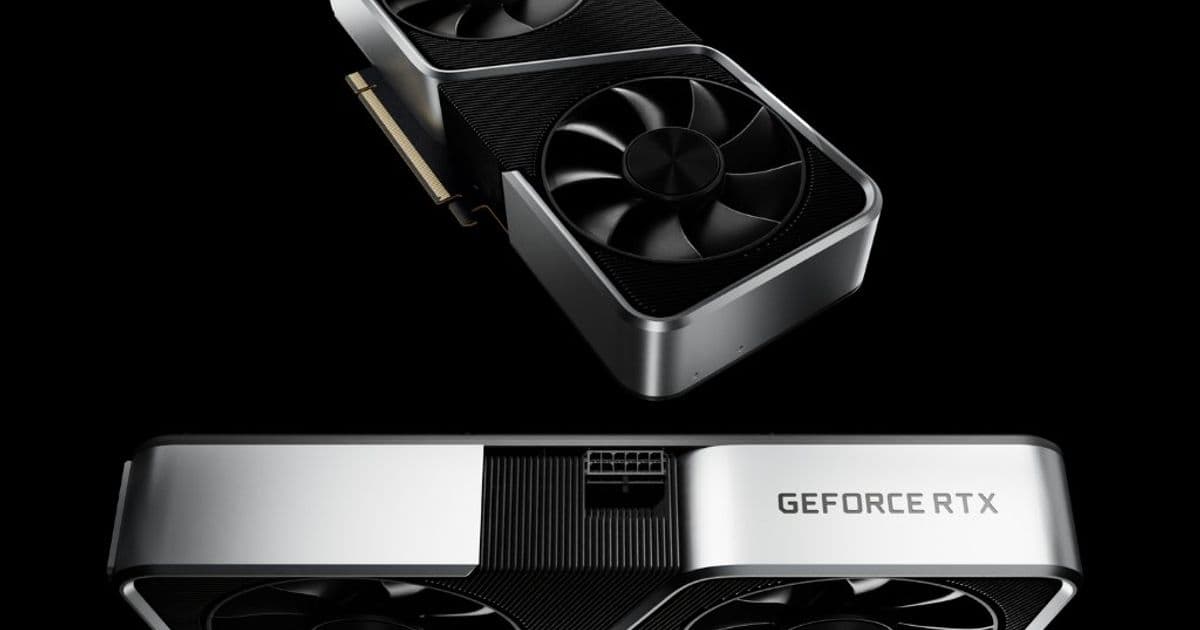
Nvidia is reportedly resurrecting its popular GeForce RTX 3060 12GB GPU, bringing back this budget-friendly option amid ongoing supply constraints in the graphics card market. The relaunch comes as the company faces delays with its upcoming RTX 5050, potentially filling a critical gap in the entry-level gaming market.
In a surprising move that bucks industry trends, Nvidia appears to be bringing back one of its most popular budget graphics cards, the GeForce RTX 3060 12GB. According to multiple sources, including Chinese industry forums and leakers like MEGAsizeGPU, Team Green will resume production of this Ampere-based GPU in June 2026, with add-in board partners like MSI, ASUS, Colorful, and GALAX preparing for a July launch.
What's New: The Resurrection of a Budget Champion
The RTX 3060 12GB originally launched in 2021 as a mid-range option that quickly became a favorite among budget-conscious gamers. Its discontinuation in August 2024 was seen as part of Nvidia's natural product lifecycle progression. However, the current market conditions have apparently prompted a reconsideration.
What makes this relaunch particularly interesting is that it's not merely a clearance of existing inventory. According to reports from Board Channels, Nvidia is producing a new batch of RTX 3060 GPUs using Samsung's 8nm process node. This approach allows the company to utilize manufacturing capacity that wouldn't otherwise be suitable for its more advanced Blackwell architecture GPUs.
The RTX 3060 12GB will maintain its original specifications:
- 3,584 CUDA cores
- 12GB GDDR6 VRAM
- 192-bit memory interface
- Boost clock of 1,777 MHz
- TDP of 170W
These specifications, while not cutting-edge by today's standards, still provide solid gaming performance at 1080p and 1440p resolutions, especially when utilizing DLSS technology to enhance frame rates.
How It Compares: Market Positioning and Performance
The RTX 3060 12GB's return creates an interesting dynamic in the budget GPU segment. When it originally launched, it sat between the RTX 3050 and RTX 3060 Ti in Nvidia's lineup. Today, its positioning becomes more complex as it competes with both new entry-level cards and the used market.
Performance-wise, the RTX 3060 12GB offers approximately 10-15% less performance than the delayed RTX 5050, according to leaker MEGAsizeGPU. However, the 12GB of VRAM gives it a significant advantage over the rumored 9GB RTX 5050, potentially providing better longevity as games continue to demand more video memory.
Compared to AMD's offerings in the same price range, the RTX 3060 typically offers better ray tracing performance thanks to Nvidia's second-generation RT cores. AMD's RX 6600 and RX 6650 XT generally offer better raw rasterization performance but lack ray tracing capabilities to the same degree.
In the current market, the RTX 3060 12GB would compete with:
- AMD Radeon RX 6600 (8GB VRAM)
- Used RTX 3060 Ti (8GB VRAM)
- Used RTX 3070 (8GB VRAM)
- Intel Arc A380 (6GB VRAM)
Who It's For: Target Market and Use Cases
The RTX 3060 12GB's return is clearly aimed at several key market segments:
First-time PC builders: Those entering the PC gaming space who need an affordable but capable graphics card that will handle modern games at 1080p.
System upgraders: Users with older GPUs looking for a significant performance boost without breaking the bank.
Esports enthusiasts: Gamers focused on competitive titles that can take advantage of the card's solid frame rates at 1080p.
Content creators: The 12GB VRAM makes this card suitable for light content creation work, including 1080p video editing and 3D modeling.
For these users, the RTX 3060 12GB offers a balanced combination of price, performance, and features. Its ray tracing capabilities and DLSS support provide a future-proof aspect that AMD's offerings in the same price range can't match.
Market Context: Supply Constraints and Strategic Positioning
The decision to bring back the RTX 3060 appears to be driven by several market factors:
- Memory shortages: The ongoing memory crunch has reportedly delayed the RTX 5050, creating a gap in Nvidia's entry-level offerings.
- Price volatility: High-end GPUs continue to trade at significant premiums over MSRP, leaving budget options scarce.
- Manufacturing capacity: Samsung's 8nm process provides manufacturing flexibility that can't be used for more advanced architectures.
This strategic move allows Nvidia to:
- Meet immediate market demand without diverting resources from higher-margin products
- Maintain market presence in the budget segment
- Leverage existing driver support and ecosystem familiarity
- Potentially undercut AMD in the sub-$300 price range
Pricing and Availability: The Critical Unknown
While the relaunch timeline is becoming clearer, pricing remains the most significant unknown. The original RTX 3060 12GB launched with an MSRP of $329, though street prices quickly settled around $299-$349 depending on the vendor and model.
In today's market, anything above $250-$300 would make the RTX 3060 a hard sell, especially when considering:
- The performance gap to newer generation cards
- The availability of used RTX 3060 Ti and RTX 3070 cards in similar price ranges
- AMD's aggressive pricing in the budget segment
Nvidia will need to carefully balance production costs with market expectations to ensure the RTX 3060 12GB can successfully reclaim its position as a budget gaming champion.
Conclusion: A Pragmatic Move in a Challenging Market
The potential return of the RTX 3060 12GB represents a pragmatic approach to market conditions. Rather than forcing consumers into higher-priced options or leaving a gap in their product stack, Nvidia is choosing to extend the lifecycle of a proven architecture that still delivers solid value for money.
For consumers, this could mean access to a reliable, feature-rich graphics card at a reasonable price point. For the industry, it demonstrates how companies must adapt their strategies in response to supply chain limitations and shifting market demands.
As we approach the rumored June relaunch date, all eyes will be on whether Nvidia can deliver on these reports and, more importantly, at what price point the RTX 3060 12GB will return to the market.
Comments
Please log in or register to join the discussion