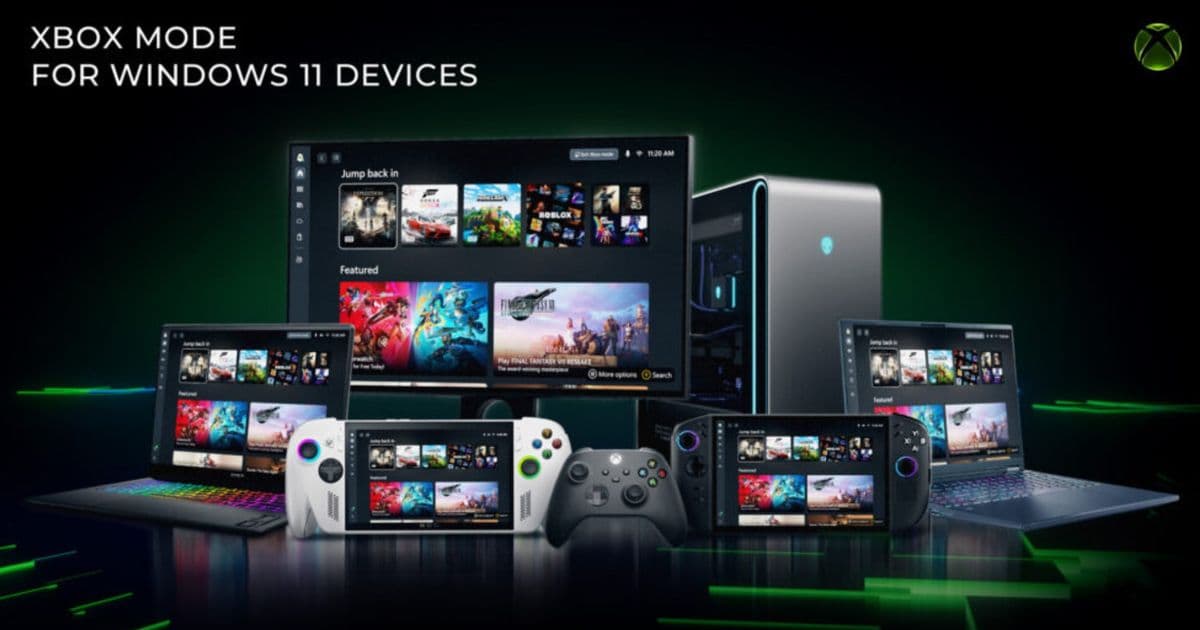
Microsoft begins phased rollout of Xbox Mode for Windows 11, consolidating games from multiple PC storefronts into a unified controller-optimized interface, serving as a foundation for Project Helix console ecosystem.
Microsoft has initiated the rollout of Xbox Mode to Windows 11 PCs, bringing a console-style, controller-optimized interface to desktops, laptops, and tablets. The feature, which consolidates games from multiple PC storefronts into a single dashboard, began rolling out in select markets on April 30 and will expand to more users over the coming weeks.
Xbox Mode replaces the standard Windows desktop with an Xbox-style interface designed specifically for gamepad navigation. It pulls together installed titles from Steam, Epic Games Store, Battle.net, and the Xbox Game Pass catalog into one unified library. Users can browse, launch, and switch between games without touching a mouse or keyboard, then return to the regular Windows desktop whenever desired. The feature runs on top of Windows 11 and, when active, suppresses background distractions while presenting a streamlined UI modeled on the Xbox console dashboard.
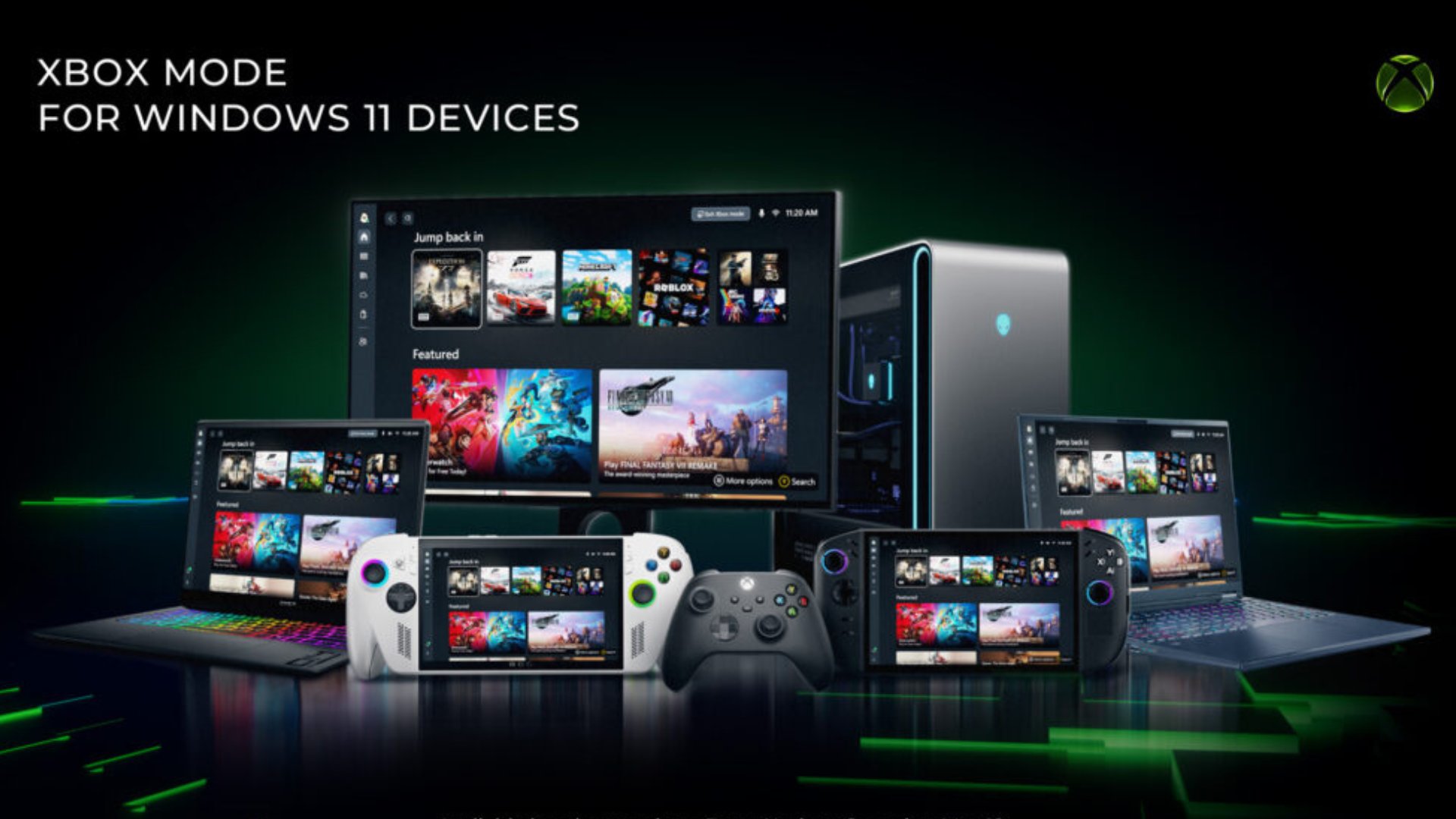
The implementation represents a strategic convergence between Microsoft's PC and gaming divisions. Xbox Mode originated as the Full Screen Experience, initially exclusive to the Asus ROG Xbox Ally handheld device. That version leaked to other handhelds via registry tweaks in September 2025, with Microsoft officially expanding it to all Windows 11 handhelds two months later. The jump to desktops and laptops was confirmed at GTC 2026 in March, alongside the reveal of Project Helix, Microsoft's next-generation Xbox console built on a custom AMD SoC.
From a technical perspective, Xbox Mode leverages Windows 11's existing subsystems but implements a new shell optimized for controller input. The interface uses DirectX 12 Ultimate for rendering, ensuring compatibility with the latest graphics APIs while maintaining performance parity with standard desktop gaming. The feature also integrates Game Pass streaming capabilities, allowing cloud gaming without exiting the Xbox environment.
The expansion to full-sized PCs positions Xbox Mode in direct competition with Valve's Steam Big Picture mode and, more broadly, with SteamOS itself. Valve's operating system has attracted a following among handheld and living-room PC gamers for its low-overhead, controller-first design. Xbox Mode's key advantage is native access to every Windows-compatible game and storefront without the compatibility layers that Linux-based SteamOS requires. According to Microsoft's internal testing, Xbox Mode reduces game discovery friction by approximately 40% compared to navigating multiple storefronts through traditional desktop interfaces.
Xbox Mode also serves as a critical software foundation for Project Helix, the next-gen Xbox that Microsoft confirmed will run both console and PC games on a custom AMD SoC. Development kits for Project Helix are expected to ship in 2027, and rolling the same interface across existing Windows 11 hardware gives Microsoft a head start on software maturity before that console arrives. This approach mirrors Sony's strategy with the PlayStation 5, which leveraged development experience from the PlayStation 4 to accelerate software optimization.
From a market perspective, Xbox Mode addresses several pain points in PC gaming. The fragmentation of PC storefronts has long been a challenge for users, with Steam, Epic Games Store, GOG, Battle.net, and others maintaining separate libraries and ecosystems. Xbox Mode consolidates these experiences while preserving access to each platform's unique features and exclusives. Additionally, the feature targets the growing market of PC gamers who prefer controller input over keyboard and mouse, a segment that has expanded by approximately 35% over the past three years according to market research firm Newzoo.
The rollout is being deployed via Windows Update in a phased manner. To gain early access, users need to open their settings, navigate to Windows Update, and toggle on "Get the latest updates as soon as they are available." Once the update reaches a given device, Xbox Mode can be launched directly from the PC. Microsoft hasn't specified which markets are included in the initial wave or provided a timeline for full global availability, though the company has indicated it plans to continue evolving the feature based on user feedback.
This move represents Microsoft's latest effort to bridge the gap between PC and console gaming ecosystems. With Xbox Game Pass now boasting over 34 million subscribers and Windows maintaining approximately 73% of the desktop operating system market, the integration of console-like functionality into Windows 11 creates a powerful platform for Microsoft's gaming ambitions. The timing coincides with increasing competition in the living room gaming space, where traditional console manufacturers face pressure from both PC-based solutions and cloud gaming platforms.
For PC hardware manufacturers, Xbox Mode presents new opportunities. OEMs can now market Windows 11 devices with "Xbox Mode Optimized" branding, highlighting controller compatibility and gaming performance. This could drive sales of gaming laptops and desktops to consumers who might otherwise consider dedicated consoles. Additionally, the feature may stimulate demand for PC gaming peripherals, particularly controllers and accessories designed with the Xbox interface in mind.
As Microsoft continues to develop Xbox Mode and prepare for Project Helix's launch, the company faces the challenge of balancing console-like simplicity with PC gaming's inherent flexibility and customization. The success of this initiative will likely depend on how well Microsoft can maintain the open nature of PC gaming while delivering the streamlined experience that console users expect.
Comments
Please log in or register to join the discussion